
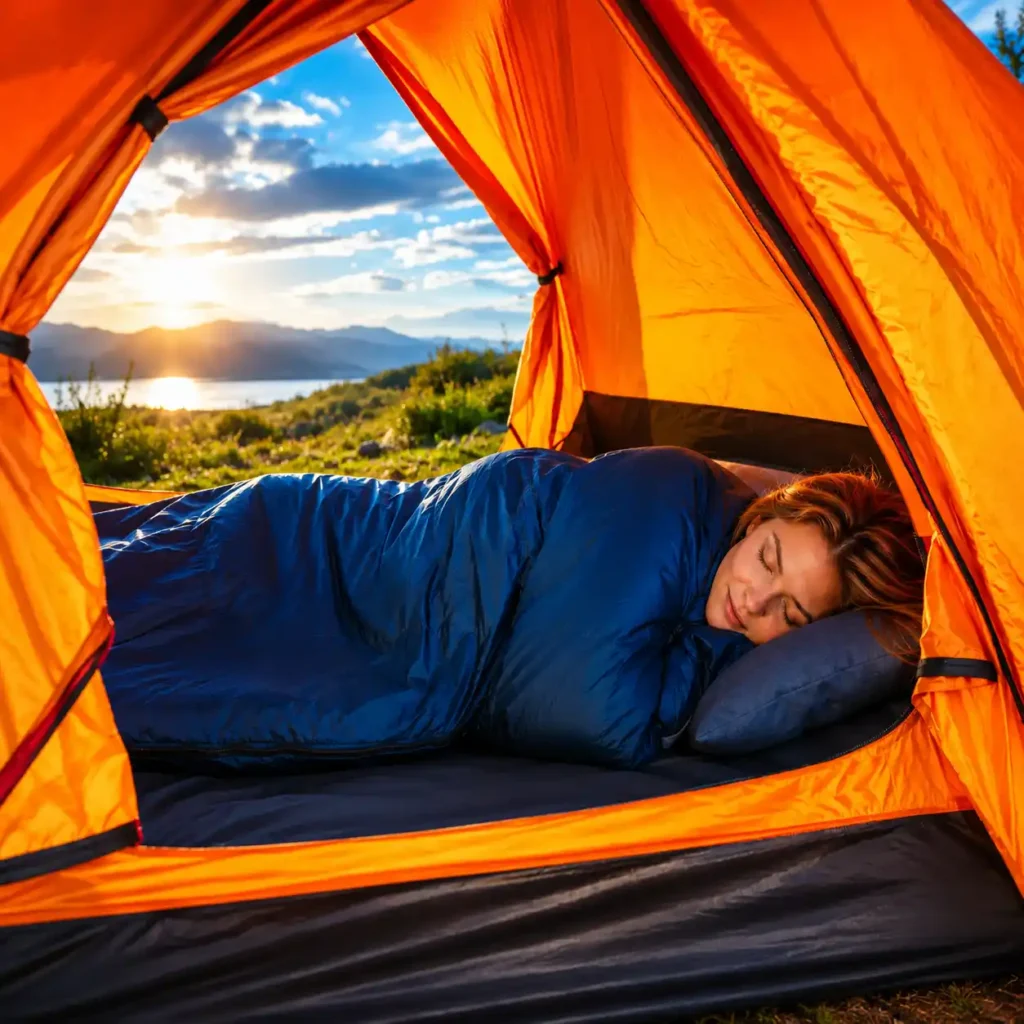
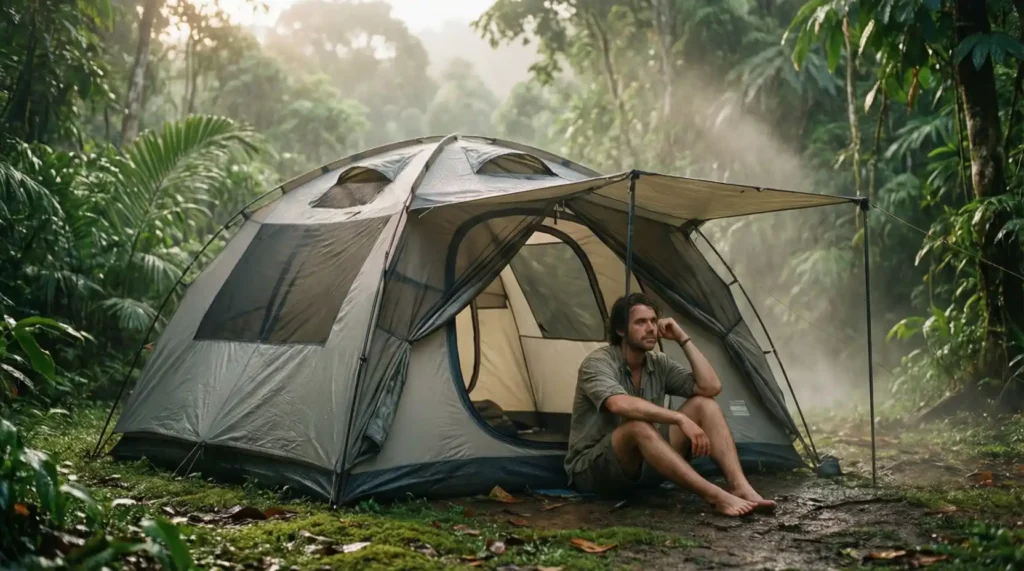
5 Best Camping Tents for Humid Conditions in 2026 (Tropical & Condensation-Resistant)
The best camping tents for humid conditions focus on airflow and condensation control to stay dry, breathable, and comfortable overnight.
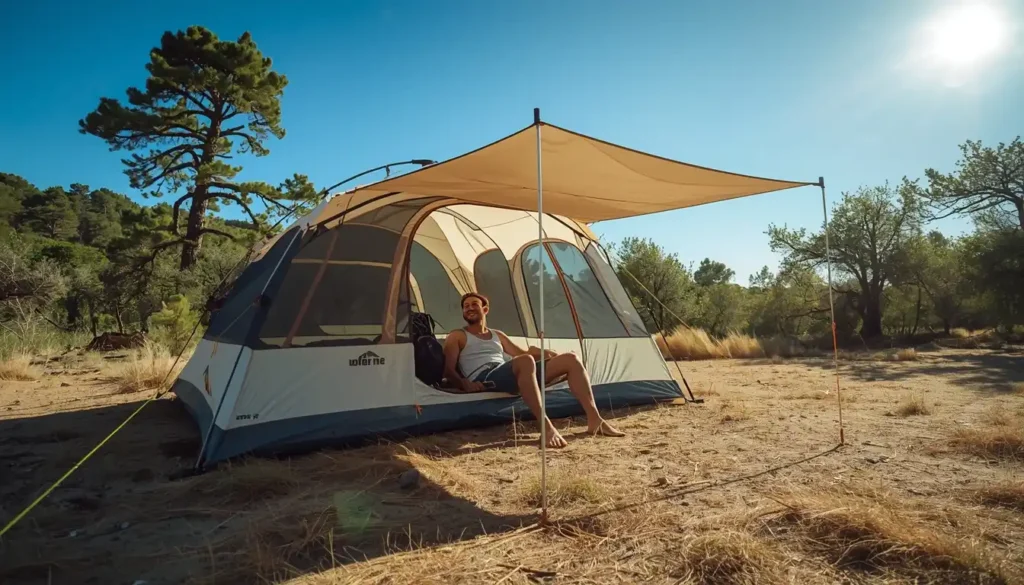
5 Best Camping Tents for Hot Weather in 2026 (Cool & Ventilated)
The best camping tents for hot weather stay cool and breathable with smart ventilation, airflow design, and heat control at camp.

5 Best Camping Tents for Windy Conditions in 2026 (Stable & Storm-Ready)
The best camping tents for windy conditions stay stable, reduce flapping noise, and protect campers from strong gusts at exposed campsites.

5 Best Camping Tents for Beginners in 2026 (First-Time Campers Guide)
Best camping tents for beginners should be easy to set up, weatherproof, and forgiving. These beginner-friendly tents make first trips stress-free.
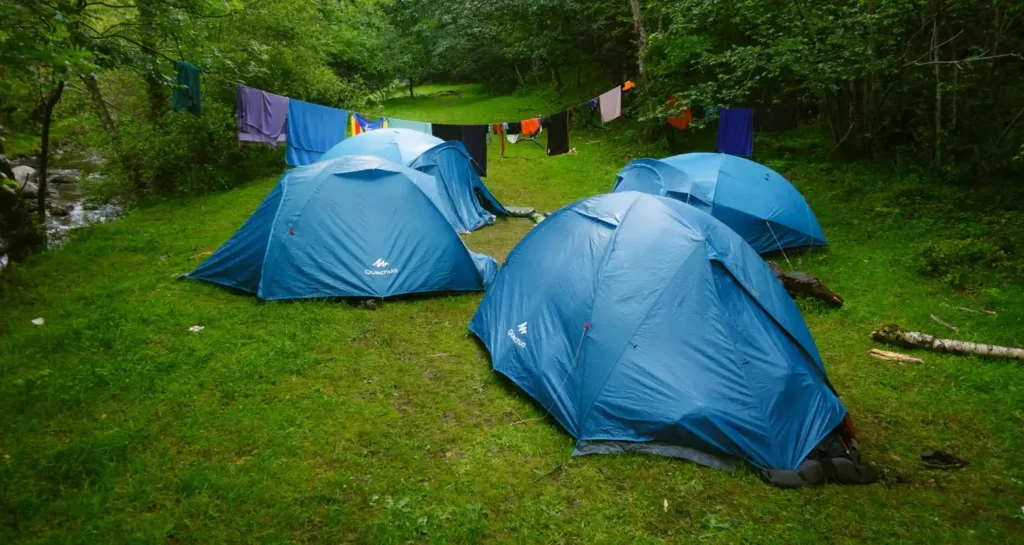
5 Best Budget Camping Tents That Don’t Leak in 2026 (Rain-Tested Picks)
Looking for an affordable tent that actually stays dry? These budget camping tents don’t leak, even during real rain and wet weekends outdoors tested!!
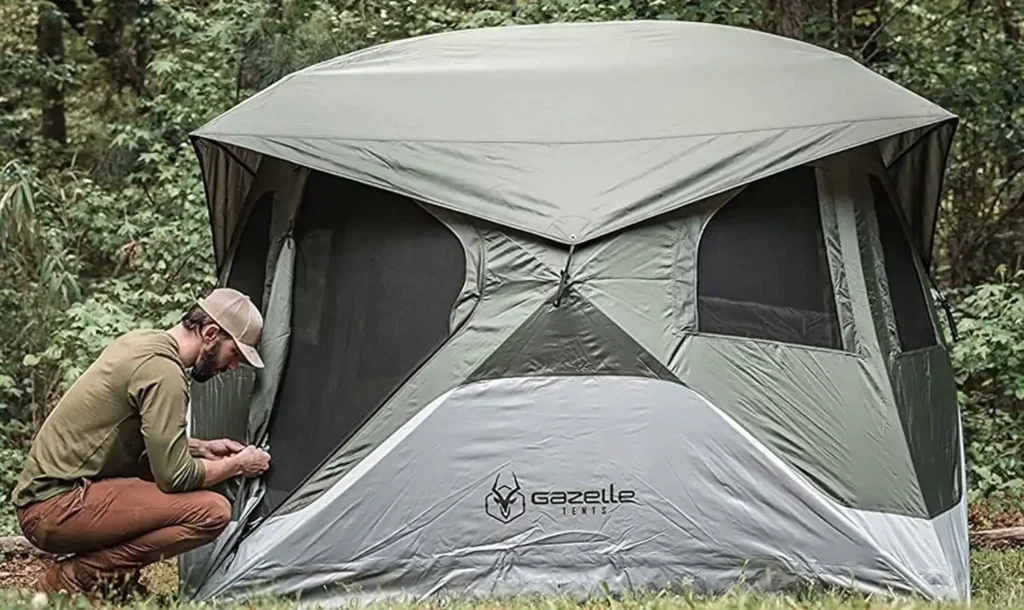
5 Best Easy Setup Camping Tents in 2026 (Fast & Stress-Free)
Short on time or hate complicated tent poles? We tested the best easy setup camping tents that pitch fast and remove stress from camping.

5 Best Waterproof Camping Tents in 2026 (Tested in Heavy Rain)
Looking for the best waterproof camping tents? We tested rain protection, seam sealing, and storm performance to find tents that actually keep you dry.
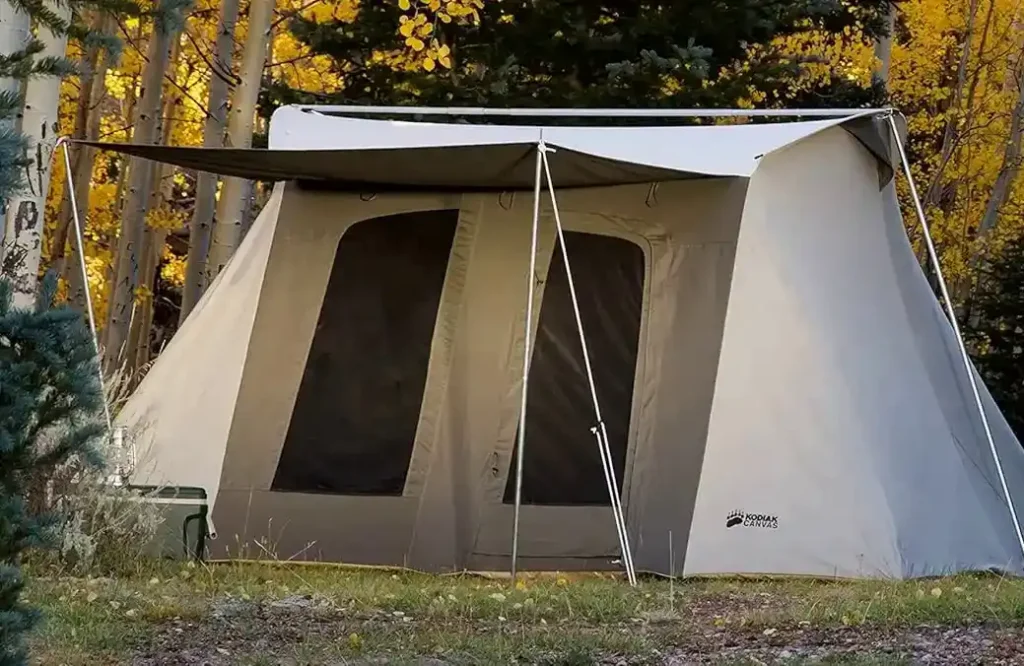
5 Best Camping Tents for Tall People in 2026 (Stand Up Comfort)
Tired of hunching over? We reviewed the best camping tents for tall people with massive headroom and vertical walls so you can stand up straight.

5 Best Camping Pillows in 2026 (No More Neck Pain)
Stop sleeping on a pile of clothes. We reviewed the best camping pillows, from compressible foam to ultralight inflatable options, for a perfect night’s sleep.