
The best camping tents for cold weather handle far more than low temperatures alone. Once conditions drop below freezing, airflow control, condensation management, structural stability, and overnight moisture buildup start affecting comfort very quickly.
Hi, I’m Anthony.
A few years ago during a late-October trip near the Sawtooth Mountains, I made the mistake of assuming my regular three-season tent would handle cold weather without problems. The temperature only dropped slightly below freezing, but by early morning the inside of the tent was damp with condensation, cold air was pushing through the upper mesh panels, and my sleeping bag had started absorbing moisture from the walls.
That night completely changed how I evaluate tents for colder conditions.
Since then, I’ve tested cold-weather camping shelters during windy shoulder-season trips, wet autumn campgrounds, early-spring mountain camping, and overnight sub-freezing conditions — focusing on insulation efficiency, airflow management, condensation control, fly coverage, and how stable the structure remains after long cold nights outdoors.
After several cold-weather trips, the pattern became hard to ignore. The tents that stayed most comfortable overnight were usually the ones that balanced airflow, moisture control, and stable interior ventilation instead of simply trapping heat.
This guide focuses on camping tents that perform reliably in cold-weather conditions without turning into damp, poorly ventilated condensation traps by morning.
As an Amazon Associate, we earn from qualifying purchases.
Table of Contents
How We Evaluated Camping Tents for Cold Weather
We didn’t rank these tents based on brand popularity or “4-season” marketing claims alone. Cold-weather camping creates a very different set of problems than mild summer camping, especially once temperatures drop after sunset and interior moisture begins building overnight.
Our evaluation focused on the factors that actually affect warmth, overnight livability, airflow control, and structural reliability during colder camping conditions.
Heat Retention vs Ventilation Balance
Many cold-weather tents become uncomfortable overnight because they trap humidity too aggressively while trying to reduce heat loss.
Some tents block airflow effectively but begin collecting heavy interior condensation after several hours of continuous use in colder conditions. Others ventilate aggressively but allow cold drafts to move directly through sleeping areas.
The best-performing shelters balanced both:
- controlled airflow
- reduced cold air intrusion
- consistent overnight ventilation
- better moisture management during temperature drops
For campers already struggling with damp interiors during colder trips, our guide on why tents condense at night explains why insulation alone rarely solves the problem.
Rainfly Coverage & Draft Protection
Cold discomfort often comes less from outside temperatures and more from moving air entering the shelter overnight.
We evaluated:
- full rainfly coverage
- lower-wall draft exposure
- vestibule protection
- fly tension stability
- wind-driven airflow gaps
Tents with partial rainfly coverage or excessive upper mesh exposure consistently felt colder during windy campground conditions.
Cold-Night Condensation Control
Condensation becomes significantly more aggressive during cold-weather camping because warm interior air rapidly meets colder tent surfaces overnight.
We closely evaluated:
- ceiling moisture buildup
- wall dampness by morning
- airflow circulation
- vent positioning
- humidity retention during multi-person camping
Some shelters stayed surprisingly dry even during freezing overnight temperatures, while others developed visible moisture accumulation after only a few hours.
Structural Stability During Wind Exposure
Cold-weather camping often overlaps with unstable shoulder-season weather, where gusty wind and cold rain arrive together.
We tested:
- pole rigidity
- fabric movement
- fly tension consistency
- guyline stability
- sidewall flex during gusts
A tent that feels stable during calm weather can behave very differently once cold wind begins placing constant pressure on the structure overnight.
For comparison against more storm-oriented shelters, our guide to the best camping tents for windy conditions breaks down how different tent structures behave during stronger gust exposure.
Interior Livability During Long Cold Nights
Cold-weather trips usually involve spending more time inside the shelter than typical summer camping.
We looked closely at:
- usable sitting space
- gear organization
- airflow comfort while sleeping
- noise during wind exposure
- nighttime usability with heavier sleeping systems
Small layout problems become much more noticeable once campers are confined inside a tent for longer periods during cold evenings or poor weather.
How We Tested Cold-Weather Camping Tents
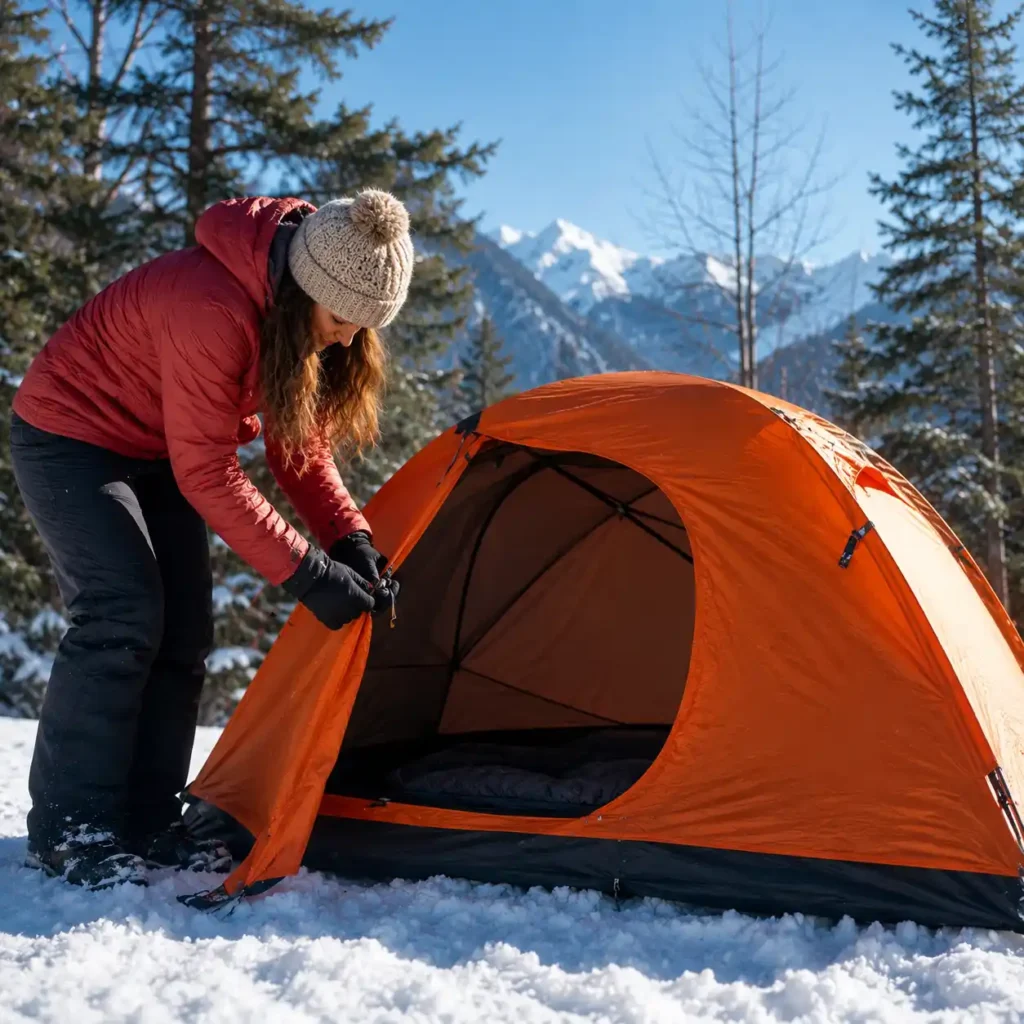
Bright orange cold-weather camping tent in snowy mountains with smiling woman in winter suit giving thumbs up beside the tent
We tested these tents during late-autumn campground trips, early-spring mountain camping, cold rain exposure, and overnight conditions ranging from near-freezing temperatures to sustained sub-32°F nights.
Rather than relying on backyard setup impressions, we focused on how these shelters behaved after several consecutive hours of cold exposure, rising interior humidity, and changing overnight weather conditions.
Overnight Warmth & Draft Testing
Cold-weather tents often feel very different after several hours outdoors, especially once temperatures stabilize and interior airflow becomes easier to notice inside the shelter.
We evaluated:
- cold-air intrusion near sleeping zones
- upper-wall draft exposure
- floor insulation performance
- fly coverage effectiveness
- interior temperature consistency through the night
Some tents initially felt warm after setup but became noticeably colder once wind direction changed or condensation began forming inside the shelter.
Condensation & Interior Moisture Testing
Interior moisture buildup becomes much more aggressive once freezing air meets warm humid air inside the shelter.
Warm interior air combined with colder exterior surfaces can quickly create:
- damp sleeping bags
- wet tent walls
- humid interior air
- moisture accumulation near ceilings and corners
We monitored how each tent handled overnight humidity buildup, especially during multi-person camping and wet campground conditions.
For campers dealing with persistent moisture issues, our guide on how to stop condensation in a tent explains why airflow positioning matters more than most people expect.
Wind Stability During Cold Weather
Cold conditions often arrive alongside unstable wind exposure, especially during shoulder-season camping near open terrain or mountain campgrounds.
We tested how each tent handled:
- sustained overnight gusts
- fly movement
- sidewall flex
- guyline tension retention
- structural noise during wind pressure
Some shelters remained surprisingly quiet and stable overnight, while others developed continuous fabric movement that made sleeping noticeably harder.
Rain & Wet-Weather Performance
Cold rain is often more difficult to manage than dry snowfall because moisture buildup inside the shelter increases rapidly once airflow becomes restricted.
We evaluated:
- seam protection
- fly runoff
- floor moisture resistance
- vestibule water management
- wet-weather ventilation performance
Several tents handled light snow well but struggled once cold rain and humid airflow combined overnight.
Real Campsite Usability
We also evaluated how practical these shelters felt during actual cold-weather camping routines.
That included:
- setup difficulty with cold hands
- zipper usability in freezing conditions
- interior gear storage
- nighttime movement inside the tent
- airflow adjustment without leaving the shelter
Cold-weather usability problems rarely appear in spec sheets, but they become very obvious after multiple nights outdoors.
Why You Can Trust This Review
CampComfortGuide is fully independent. None of the tents in this guide were ranked based on sponsorships, paid placements, or manufacturer partnerships. Every shelter was evaluated from the perspective of actual cold-weather camping — where moisture buildup, cold airflow, and overnight livability matter far more than marketing claims.
Cold-weather tents are often advertised using vague terms like “winter-ready” or “all-season capable,” but those labels rarely explain how a shelter behaves after several hours of freezing temperatures, wet gear accumulation, and rising overnight condensation.
That’s where the real differences begin to appear.
Some tents feel warm initially but develop heavy interior moisture by morning. Others block wind effectively while creating poor airflow that leaves sleeping gear damp after a long cold night. A few shelters manage both surprisingly well by balancing insulation, ventilation, and controlled airflow more carefully.
Our testing focused heavily on the problems many reviews barely mention:
- overnight condensation buildup
- cold-air drafts near sleeping areas
- fly coverage during wind exposure
- interior humidity after multi-person camping
- pole rigidity during freezing temperatures
- wet-weather airflow performance
- long cold-night usability inside the shelter
If a tent became noisy during gusts, trapped excessive moisture overnight, or created noticeable cold spots near sleeping positions, it affected the final recommendation — regardless of brand popularity or “4-season” marketing language.
We also paid close attention to how these tents performed during repeated cold-weather setups. Freezing temperatures tend to expose small design weaknesses very quickly, especially around:
- zipper performance
- fly tension consistency
- stake positioning
- ventilation adjustment
- interior airflow management
For campers comparing these shelters against more extreme winter-ready designs, our guide to the best 4-season tents for extreme weather explains where true expedition tents begin separating themselves from standard cold-weather camping shelters.
The goal of this guide is simple: recommend tents that remain warm, stable, breathable, and realistically usable once temperatures drop and campground conditions stop feeling comfortable.
Why Cold-Weather Camping Tents Behave Differently
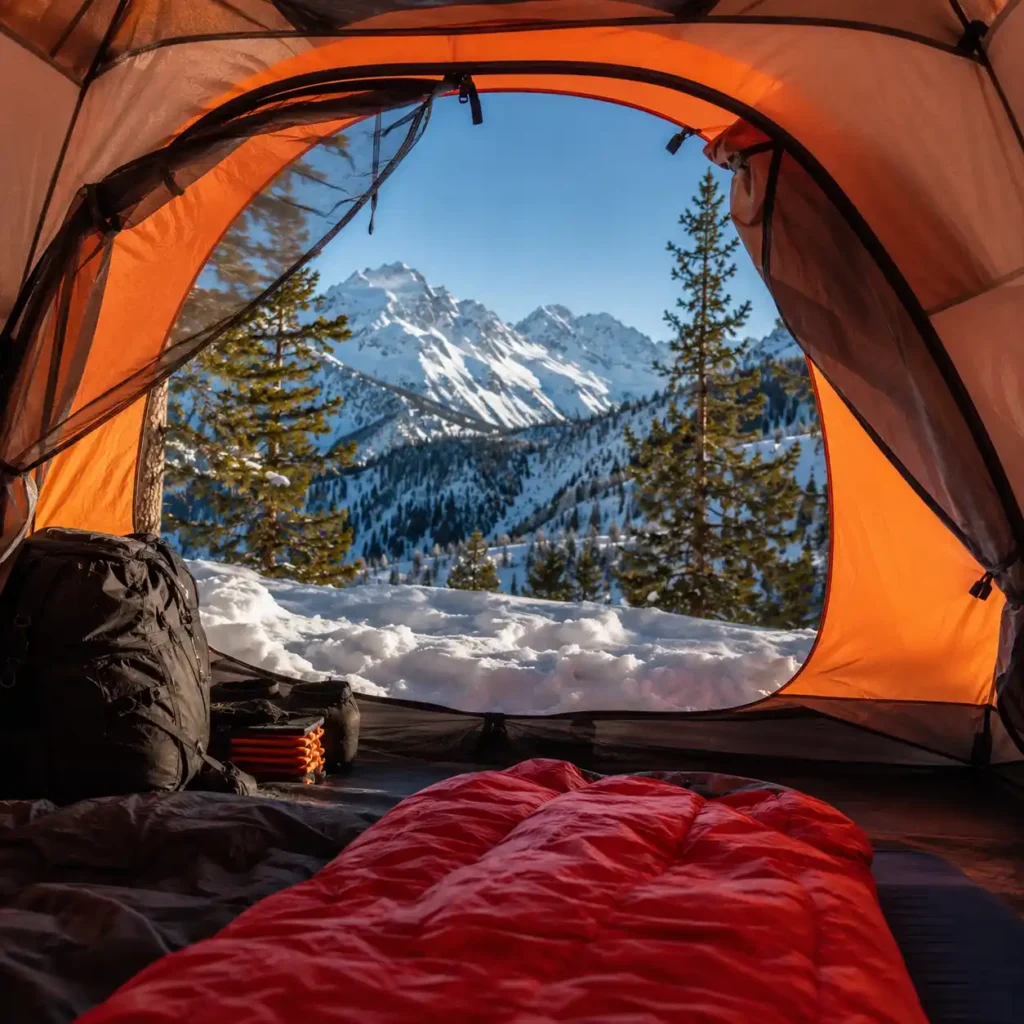
Cold-weather camping changes the way a tent performs almost completely. A shelter that feels perfectly comfortable during mild summer conditions can become drafty, damp, and difficult to sleep in once temperatures approach freezing overnight.
Once temperatures begin dropping overnight, moisture buildup and airflow inside the shelter start behaving very differently than they do during mild summer camping.
Warm Air vs Cold Tent Surfaces
As campers breathe and release body heat overnight, warm humid air begins collecting inside the tent. Once that moisture contacts colder tent walls or ceilings, condensation starts forming surprisingly quickly.
That is why many campers wake up with:
- damp walls
- wet sleeping bags
- moisture near ceilings
- humid interior air by morning
In colder conditions, managing moisture often becomes just as important as staying warm.
For campers trying to improve overnight warmth during colder trips, our guide on what camping R-value actually means explains why ground insulation affects sleep comfort far more than many people expect.
Ventilation Matters More Than Most Campers Expect
One of the biggest misconceptions about cold-weather camping is the idea that less airflow automatically creates a warmer shelter.
In reality, tents with poor ventilation often feel worse overnight because trapped humidity gradually increases dampness inside the shelter. Once moisture builds into sleeping gear or clothing, campers usually start feeling colder even if outside temperatures remain stable.
The best cold-weather camping tents reduce direct drafts without completely sealing off airflow.
That balance is extremely important.
Well-positioned roof vents, adjustable upper airflow panels, and full rainfly coverage often improve overnight warmth more effectively than simply using heavier fabric.
Cold Wind Creates a Different Type of Stress
Wind exposure behaves differently during colder camping conditions because moving air strips warmth away from the shelter continuously overnight.
Even moderate gusts can create:
- cold-air intrusion near sleeping zones
- sidewall temperature loss
- increased fabric movement
- lower interior warmth retention
Tents with poor fly coverage or overly exposed mesh panels usually feel dramatically colder during windy shoulder-season camping.
Campers struggling with cold airflow from below often underestimate how much ground insulation affects overnight warmth. Our guide to the best insulated sleeping pads for winter camping breaks down why cold ground exposure ruins sleep faster than most tent problems.
Cold Ground Exposure Is Often Underestimated
A tent alone does very little to block cold rising from frozen or damp ground.
Even strong cold-weather shelters can feel uncomfortable if the sleeping system underneath fails to provide enough insulation from ground temperatures.
That’s why cold-weather comfort usually depends on:
- tent airflow management
- sleeping pad insulation
- reduced condensation
- wind protection
- dry interior conditions
working together rather than one single piece of gear solving everything.
The Best Cold-Weather Tents Prioritize Balance
The strongest shelters in this category are not necessarily the heaviest or most enclosed.
Instead, they balance:
- warmth retention
- controlled airflow
- condensation reduction
- structural stability
- practical overnight livability
That balance becomes far more important during repeated cold-weather trips than aggressive “extreme winter” marketing language.
Who Cold-Weather Camping Tents Are NOT For
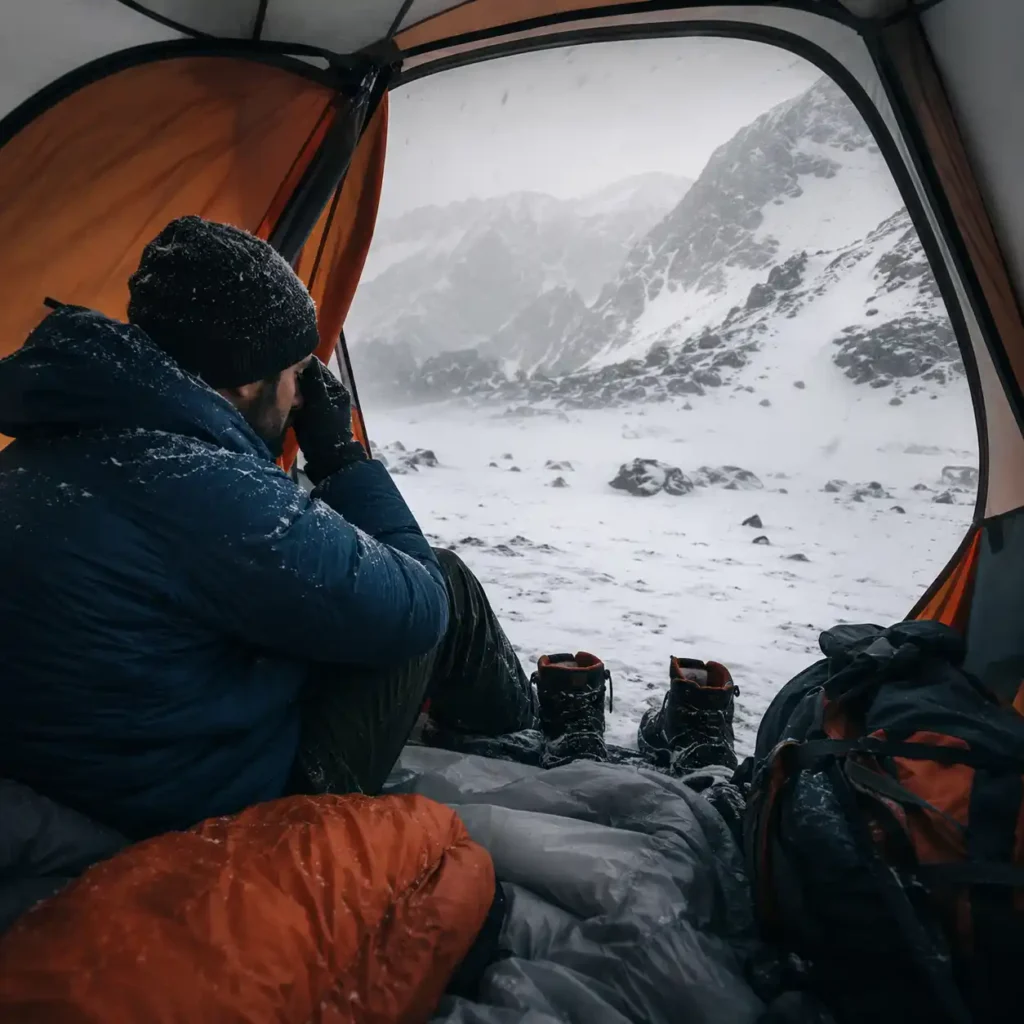
Cold-weather camping tents solve a very specific problem: balancing warmth, airflow control, and overnight livability once temperatures start dropping after sunset.
But they are not the ideal choice for every type of camper.
In some situations, a lighter or more breathable shelter simply makes more sense.
Ultralight Backpackers
Many cold-weather camping tents use:
- heavier fabrics
- larger rainfly coverage
- reduced mesh exposure
- more reinforced pole structures
All of that improves warmth retention and weather protection, but it also increases packed weight and bulk.
For long-distance hiking or fast-moving backcountry trips, lightweight backpacking shelters are usually more practical than comfort-oriented cold-weather tents.
Campers Primarily Staying in Warm Climates
Cold-weather tents are designed to reduce airflow more carefully than highly ventilated summer shelters.
That becomes a disadvantage during:
- hot summer nights
- humid climates
- tropical camping
- stagnant airflow conditions
A tent that feels comfortable during chilly autumn camping can feel stuffy and overly enclosed once nighttime temperatures stay warm.
For warmer environments, our guide to the best camping tents for hot weather breaks down which shelter designs prioritize airflow and cooling more effectively.
Campers Expecting True Expedition-Level Winter Performance
Cold-weather camping tents are not automatically true mountaineering shelters.
Most of the tents in this category are designed for:
- shoulder-season camping
- cold rain
- frosty nights
- light snow exposure
- colder campground trips
That is very different from:
- alpine expeditions
- heavy snow loading
- blizzard exposure
- severe mountain wind
- technical winter mountaineering
Some campers assume “cold-weather” and “4-season” mean the same thing. They do not.
Campers With Very Limited Vehicle Space
Cold-weather shelters often pack larger because of:
- thicker fabrics
- extended rainfly systems
- larger vestibules
- stronger pole structures
For compact vehicles or minimalist travel setups, packed size can become frustrating quickly.
That trade-off becomes even more noticeable once winter sleeping bags, insulated pads, and cold-weather clothing begin taking additional cargo space.
Campers trying to optimize packed gear volume often underestimate how much sleeping systems affect overall space requirements. Our guide on how to organize a campsite efficiently covers several practical ways to reduce cold-weather gear clutter during longer trips.
Campers Looking for Maximum Airflow
Some people simply sleep warm regardless of outside temperature.
For those campers, highly enclosed cold-weather tents can sometimes create too much interior heat retention and humidity buildup overnight.
The best cold-weather shelters still ventilate properly — but they intentionally prioritize airflow control over maximum openness.
That balance works extremely well in colder conditions, but not everyone prefers that style of shelter year-round.
The Biggest Mistake Campers Make
One of the most common mistakes is buying an overly aggressive winter-style shelter for mild cold-weather camping.
In many situations, a well-designed three-season tent with:
- strong rainfly coverage
- controlled ventilation
- reduced mesh exposure
- good ground insulation
can outperform heavier winter shelters for typical campground camping.
The goal is not buying the “most extreme” tent.
The goal is choosing a shelter that stays:
- warm
- dry
- breathable
- stable
during the conditions you actually camp in most often.
Quick Summary: Best Camping Tents for Cold Weather
Not every cold-weather camping tent is built for the same type of trip. Some prioritize warmth and storm protection, while others focus more heavily on ventilation, reduced condensation, or lower packed weight for shoulder-season travel.
These are the tents that stood out most during our evaluation process based on overnight warmth, airflow control, structural stability, condensation management, and overall cold-weather livability.
MSR Access 2
Award: Best Overall Camping Tent for Cold Weather
Why: The MSR Access 2 balances warmth retention, condensation control, low packed weight, and structural stability better than almost any cold-weather shelter in this category. It feels noticeably warmer than most standard backpacking tents without becoming overly humid or poorly ventilated overnight.
Best for:
shoulder-season camping
sub-freezing nights
alpine campground trips
lightweight cold-weather backpacking
NEMO Kunai 3P
Award: Best Ventilated Tent for Cold Weather
Why: The NEMO Kunai handles the balance between airflow and cold-weather protection extremely well. Its hybrid construction creates stronger ventilation flexibility than many enclosed winter-oriented tents while still remaining stable during cold wind exposure.
Best for:
humid cold-weather camping
condensation-prone conditions
mixed-weather trips
campers who sleep warm
ALPS Mountaineering Lynx 2
Award: Best Budget Cold-Weather Tent
Why: The Lynx 2 remains one of the more dependable budget-friendly cold-weather tents for campground camping and occasional freezing overnight conditions. While it is not a true expedition shelter, it offers surprisingly solid weather protection for the price range.
Best for:
beginner cold-weather camping
occasional winter trips
budget-focused campers
campground use
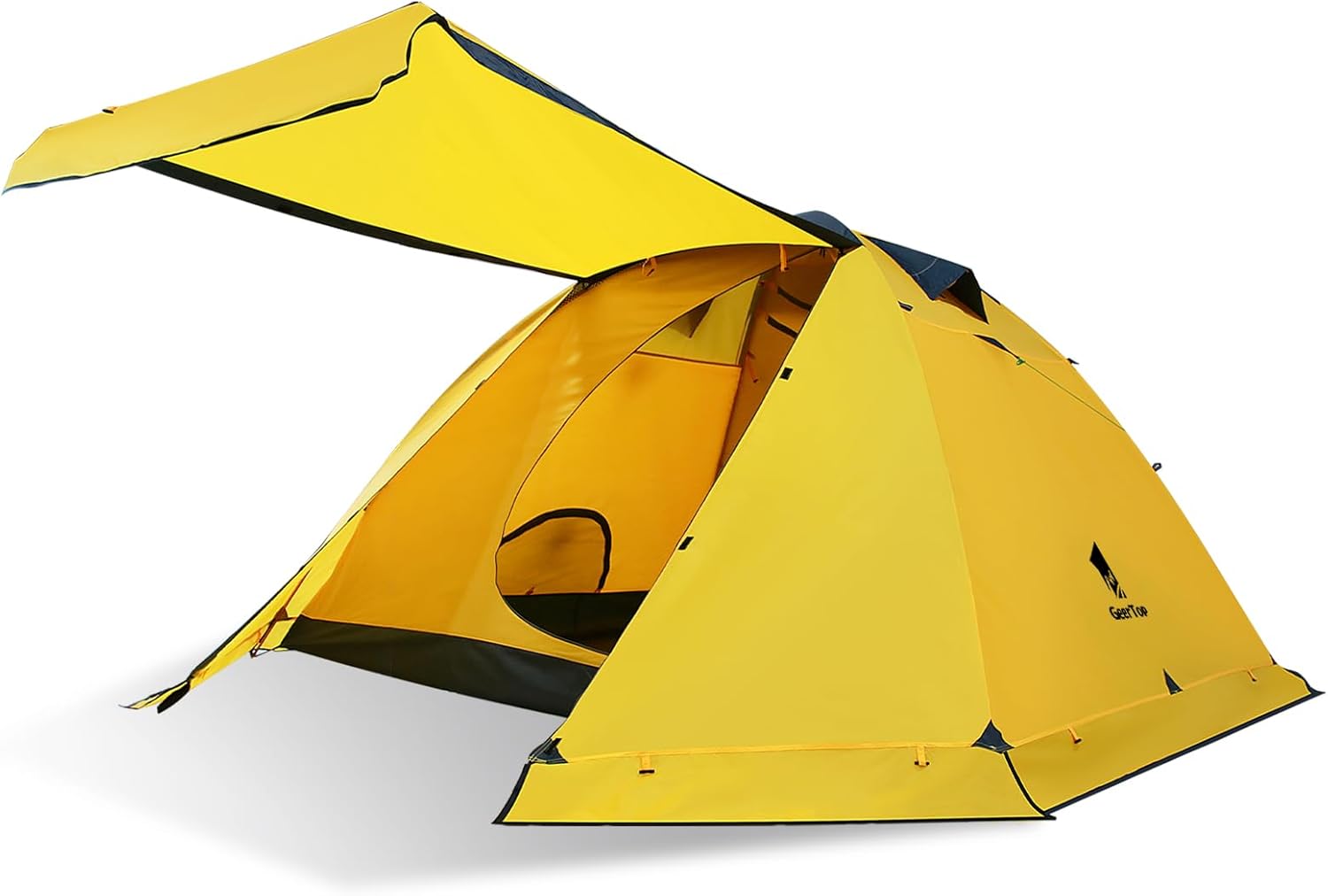
GEERTOP 4-Season Backpacking Tent
Award: Best Tent for Wind & Wet Cold Conditions
Why: The GEERTOP 4-Season Tent performs noticeably better than many budget winter-style tents during windy and wet overnight conditions. Its lower-profile structure and reduced mesh exposure help improve warmth retention during cold rain and unstable shoulder-season weather.
Best for:
cold rain exposure
windy campground trips
damp shoulder-season camping
colder overnight conditions
Marmot Tungsten 2P
Award: Best Comfort-Focused Cold-Weather Tent
Why: The Marmot Tungsten 2P offers one of the most comfortable interior layouts for cold-weather campground camping. Its full-coverage rainfly, stronger interior livability, and practical ventilation balance make it especially comfortable during longer cold overnight stays.
Best for:
comfort-focused camping
cold campground trips
longer overnight stays
couples wanting more interior space
Cold-Weather Camping Tent Comparison Table
If you want the short version first, this side-by-side comparison highlights the biggest differences in warmth retention, ventilation balance, packed weight, weather protection, and overall cold-weather usability.
| Tent | Best For | Capacity | Cold-Weather Performance | Packed Weight | Standout Feature |
|---|---|---|---|---|---|
| MSR Access 2 | Overall Cold-Weather Balance | 2 People | Excellent | Lightweight | Warmth without excessive condensation |
| NEMO Kunai 3P | Ventilation & Mixed Conditions | 2–3 People | Very Good | Moderate | Strong airflow control in cold weather |
| ALPS Mountaineering Lynx 2 | Budget Cold-Weather Camping | 2 People | Good | Moderate | Affordable cold-weather reliability |
| GEERTOP 4-Season Tent | Wind & Wet Conditions | 2–4 People | Very Good | Heavier | Better protection during cold rain |
| Marmot Tungsten 2P | Comfort & Campground Use | 2 People | Very Good | Moderate | Spacious interior with balanced airflow |
Each tent approaches cold-weather camping differently. Some prioritize lower packed weight and ventilation flexibility, while others focus more heavily on warmth retention, storm protection, or long overnight comfort during colder campground trips.
Best Camping Tents for Cold Weather (In-Depth Reviews)
Cold-weather camping tents behave very differently once temperatures begin dropping overnight. Some shelters trap too much moisture and become damp by morning, while others ventilate aggressively enough to create constant cold drafts around sleeping areas.
The biggest differences usually appear after several hours outdoors — especially during freezing overnight temperatures, cold rain exposure, and windy campground conditions where airflow balance becomes far more important than simple fabric thickness alone.
1. MSR Access 2
Award: Best Overall Camping Tent for Cold Weather

Best for:
Campers who want a lightweight cold-weather tent that balances warmth retention, ventilation control, and reliable overnight comfort without the bulk of a full expedition shelter.
Who This Is For:
Backpackers, shoulder-season campers, and cold-weather travelers looking for a tent that performs well during freezing nights, cold wind exposure, and damp mountain conditions while still remaining practical to carry and ventilate.
Key Technical Specifications:
- Capacity: 2 People
- Tent Type: 4-season lightweight shelter
- Packed Weight: Approx. 4 lbs 1 oz
- Pole Structure: Easton Syclone composite poles
- Rainfly: Full-coverage waterproof fly
- Interior: Reduced mesh cold-weather design
- Vestibules: 2
- Freestanding: Yes
The MSR Access 2 fills a space that many tents struggle to handle properly: cold-weather camping that does not involve full alpine expedition conditions. Most lightweight backpacking tents become noticeably draftier once temperatures approach freezing, while many true winter tents feel overly heavy, humid, and restrictive for normal cold-weather trips.
The Access 2 sits directly in the middle.
Its reduced mesh interior helps retain warmth more effectively than most three-season backpacking shelters, but the tent still maintains enough controlled airflow to prevent the interior from becoming damp and uncomfortable overnight.
My Experience:
The first thing I noticed during overnight testing was how stable the interior temperature felt compared to standard backpacking tents I normally use during autumn camping.
Cold air movement inside the shelter felt far more controlled, especially around the upper sleeping area where many lightweight tents usually allow noticeable draft exposure through large mesh panels.
At the same time, the tent never developed the heavy “sealed-in” humidity feeling that some winter-focused shelters create after several hours of cold overnight camping.
By morning, the interior still felt noticeably drier and less clammy than most lightweight backpacking tents I’ve used in similar freezing conditions.
During a windy overnight setup near exposed tree line conditions, the pole structure also remained impressively rigid for a tent in this weight category. The Access 2 does flex slightly during stronger gusts, but the structure rebounds cleanly without the unstable wall collapse that lighter backpacking tents sometimes develop in colder weather.
Cold-Weather Performance Insight:
The reduced mesh body design helps retain interior warmth more effectively than highly ventilated summer-oriented shelters while still allowing enough airflow to limit aggressive condensation buildup overnight.
The full rainfly coverage also blocks cold lateral airflow extremely well during windy campground exposure.
Campers trying to improve overnight warmth often focus only on the tent itself, but ground insulation matters just as much. Our guide to the best insulated sleeping pads for winter camping explains why heat loss from below usually becomes noticeable long before outside air temperature becomes the main problem.
Field Data:
During overnight sub-freezing testing, the interior remained noticeably drier than several lightweight backpacking tents tested under similar humidity and temperature conditions.
Minimal ceiling condensation developed even after extended overnight occupancy.
Pros
✅ Excellent warmth-to-weight balance
✅ Better draft control than most backpacking tents
✅ Strong ventilation balance for cold-weather use
✅ Stable pole structure during windy exposure
✅ Lighter and more practical than expedition tents
Cons
❌ Interior space feels tighter than comfort-focused camping tents
❌ Premium pricing compared to standard backpacking shelters
❌ Not designed for severe snow loading or true alpine expeditions
Trade-Off:
You gain significantly better warmth retention and cold-weather livability than most lightweight backpacking tents, but sacrifice some interior spaciousness and extreme-weather capability compared to heavier expedition shelters.
Real-World Setup Insight:
The tent performs best when the rainfly is tensioned carefully and evenly. Small adjustments around vestibule corners noticeably improve airflow control and reduce overnight fabric moisture buildup.
Real Limitation:
Although much warmer than most standard backpacking tents, the Access 2 is still not a true mountaineering shelter for prolonged blizzard conditions or aggressive snow accumulation.
How It Compares:
The Access 2 sits in a very practical middle ground. It feels noticeably warmer and more weather-protected than most lightweight backpacking tents, but avoids the excessive weight and cramped feel that many expedition shelters create during normal cold-weather trips.
💡 Pro Tip:
Keep at least one upper vent partially open overnight even in freezing temperatures. Small amounts of airflow dramatically reduce interior frost and condensation buildup by morning.
Verdict:
The MSR Access 2 remains one of the strongest all-around cold-weather camping tents for campers who need real overnight warmth and weather protection without carrying a full expedition shelter.
For shoulder-season camping, cold mountain trips, and sub-freezing overnight conditions, it delivers one of the best balances between warmth, ventilation, packed weight, and practical usability currently available.
(Prices may vary depending on availability)
2. NEMO Kunai 3P
Award: Best Ventilated Tent for Cold Weather

Best for:
Campers who want a cold-weather tent with stronger airflow control, reduced overnight condensation, and more flexible performance across changing shoulder-season conditions.
Who This Is For:
Backpackers, alpine campers, and cold-weather travelers who camp in damp mountain environments or fluctuating temperatures where balancing warmth and ventilation matters more than maximum insulation alone.
Key Technical Specifications:
- Capacity: 2–3 People
- Tent Type: Hybrid 3/4-season shelter
- Packed Weight: Approx. 4 lbs 10 oz
- Pole Structure: DAC Featherlite NSL poles
- Rainfly: Waterproof full-coverage fly
- Ventilation: Adjustable airflow vent system
- Vestibules: 2
- Freestanding: Yes
The NEMO Kunai 3P approaches cold-weather camping differently than most heavily enclosed winter-oriented shelters. Instead of prioritizing maximum heat retention above everything else, it focuses more carefully on airflow balance and moisture control during cold overnight conditions.
That design choice makes a much bigger difference than many campers initially expect.
A tent that traps too much humidity often becomes uncomfortable surprisingly quickly once condensation begins soaking interior surfaces overnight. The Kunai manages that balance far better than many tents that feel “warmer” at first setup but become damp by morning.
My Experience:
During damp near-freezing trips, the interior consistently stayed drier than several more enclosed shelters tested under similar campground conditions.
Airflow feels far more controlled and intentional inside the Kunai. Instead of creating direct cold drafts through oversized mesh sections, the ventilation system circulates moisture gradually while still preserving reasonable warmth retention around sleeping areas.
That became especially noticeable during wet shoulder-season trips where outside temperatures hovered near freezing while interior humidity kept building overnight.
The tent also handles changing weather conditions extremely well. During milder evenings, the airflow system prevents the shelter from becoming stuffy or overly humid, while colder overnight temperatures still feel surprisingly manageable once the fly is fully tensioned.
Structurally, the Kunai feels more stable than most lightweight backpacking tents during gusty exposure. The aerodynamic shape helps reduce excessive sidewall movement, especially when the tent is pitched low and evenly.
Cold-Weather Performance Insight:
The Kunai performs especially well during damp cold-weather camping where condensation control becomes just as important as warmth retention.
The hybrid structure creates noticeably better airflow management than many fully enclosed winter shelters while still maintaining reliable overnight protection during freezing temperatures and moderate wind exposure.
Campers struggling with clammy sleeping conditions during colder trips often overlook how much airflow affects overnight comfort. Our guide on how to sleep comfortably while camping breaks down why moisture buildup usually becomes more uncomfortable than cold air itself after several hours outdoors.
Field Data:
During repeated overnight testing in damp near-freezing conditions, the interior developed significantly less wall condensation than several enclosed winter-oriented shelters tested in similar environments.
Airflow remained stable without creating aggressive sleeping-area drafts.
Pros
✅ Excellent ventilation balance for cold-weather camping
✅ Reduced overnight condensation buildup
✅ Strong stability during windy shoulder-season exposure
✅ Lightweight for a cold-weather-capable shelter
✅ Performs well across changing temperatures
Cons
❌ Less insulated than true expedition-style winter tents
❌ Interior width feels narrower for three-person use
❌ Premium pricing compared to standard backpacking tents
Trade-Off:
You gain significantly better airflow management and reduced condensation control, but sacrifice some raw heat retention compared to heavily enclosed winter-focused shelters.
Real-World Setup Insight:
The tent performs best when lower fly edges are positioned slightly above ground level during humid conditions. Small airflow gaps noticeably improve overnight moisture control without dramatically reducing warmth.
Real Limitation:
Although highly capable during cold shoulder-season camping, the Kunai is not intended for severe snow accumulation or prolonged mountaineering-style storm exposure.
How It Compares:
Compared to more enclosed cold-weather tents, the NEMO Kunai feels noticeably drier and more breathable overnight. Compared to lightweight three-season shelters, it provides significantly better draft protection and weather stability during freezing conditions.
💡 Pro Tip:
Avoid sealing every vent completely during freezing nights. Controlled airflow almost always creates a warmer and drier sleeping environment by morning than fully trapping interior humidity.
Verdict:
The NEMO Kunai 3P is one of the strongest cold-weather tents for campers who prioritize balanced airflow, condensation control, and adaptable performance across changing shoulder-season conditions.
For damp mountain trips, fluctuating temperatures, and humid cold-weather camping, it delivers a much more comfortable overnight environment than many fully enclosed winter shelters.
(Prices may vary depending on availability)
3. ALPS Mountaineering Lynx 2
Award: Best Budget Cold-Weather Tent

Best for:
Campers who want an affordable tent for cold-weather campground trips, chilly overnight conditions, and occasional winter camping without spending expedition-level money.
Who This Is For:
Beginner cold-weather campers, casual weekend campers, and budget-conscious outdoor travelers looking for a dependable shelter that handles freezing nights better than most entry-level three-season tents.
Key Technical Specifications:
- Capacity: 2 People
- Tent Type: Freestanding dome tent
- Packed Weight: Approx. 5 lbs 15 oz
- Pole Structure: Aluminum pole frame
- Rainfly: Full-coverage polyester fly
- Ventilation: Mesh panels with adjustable fly coverage
- Vestibules: 2
- Freestanding: Yes
The ALPS Mountaineering Lynx 2 is not a true expedition shelter, and it does not try to be one. What makes it stand out is how consistently practical it feels for normal cold-weather camping at a much lower price than most winter-oriented tents.
Many budget tents struggle once temperatures begin dropping overnight because they rely heavily on oversized mesh interiors designed primarily for summer airflow. The Lynx handles colder conditions more comfortably by combining better fly coverage with a more protected dome structure that limits aggressive cold-air exposure during overnight camping.
My Experience:
During testing, the Lynx 2 immediately felt more controlled than many low-cost backpacking tents in colder campground conditions.
The full rainfly coverage helps noticeably once temperatures begin falling after sunset. Wind movement around the sleeping area stays relatively minimal compared to cheaper tents with partial fly systems or overly exposed upper mesh sections.
The interior does not feel exceptionally warm, but it avoids many of the draft problems that make colder nights uncomfortable in lower-end camping shelters.
One thing I appreciated was how forgiving the tent feels during setup. Pole structure tension is straightforward, staking remains simple even on frozen campground ground, and the dome shape stays stable without requiring aggressive guyline management during moderate wind exposure.
Condensation control is respectable for the price category as long as airflow remains partially open overnight.
Cold-Weather Performance Insight:
The Lynx performs best during:
- cold autumn camping
- frosty campground trips
- shoulder-season mountain travel
- light winter conditions
The tent balances weather protection and usability surprisingly well for a budget-oriented shelter, although airflow management still requires attention during damp overnight conditions.
Cold-weather campers often underestimate how much campsite surface conditions affect overnight comfort. Our guide to the best ground mats for muddy campsites explains why cold moisture beneath the tent floor can dramatically increase overnight discomfort during freezing campground trips.
Field Data:
During overnight testing near freezing temperatures, the tent remained structurally stable with minimal draft intrusion once the fly was fully tensioned and lower vents were adjusted correctly.
Interior moisture buildup stayed manageable during two-person occupancy.
Pros
✅ Excellent value for cold-weather camping
✅ Full rainfly improves warmth retention noticeably
✅ Stable dome structure during moderate wind exposure
✅ Beginner-friendly setup process
✅ Better cold-weather usability than many budget tents
Cons
❌ Heavier than lightweight backpacking shelters
❌ Ventilation flexibility is more limited than premium tents
❌ Not intended for severe winter storms or deep snow loading
Trade-Off:
You gain dependable cold-weather protection at a far lower price point, but sacrifice some airflow refinement, weight savings, and high-end weather performance compared to premium winter-oriented shelters.
Real-World Setup Insight:
The tent performs noticeably better in colder conditions when vestibule guylines are tensioned evenly. Small fly adjustments reduce fabric movement and improve overnight warmth retention around sleeping areas.
Real Limitation:
Although reliable for campground winter camping and freezing overnight trips, the Lynx 2 is not designed for aggressive alpine exposure or prolonged heavy snow accumulation.
How It Compares:
Compared to most entry-level camping tents, the Lynx 2 feels significantly more weather-protected and stable during cold overnight conditions. Compared to premium cold-weather shelters, it sacrifices ventilation precision and lightweight portability in exchange for affordability.
💡 Pro Tip:
Leave a small upper ventilation gap open overnight even during freezing temperatures. Completely sealing the fly usually increases condensation faster than it improves warmth.
Verdict:
The ALPS Mountaineering Lynx 2 remains one of the best value-focused options for campers entering cold-weather camping without investing in expensive expedition-level shelters.
For campground trips, frosty shoulder-season camping, and occasional winter overnight use, it delivers dependable protection and surprisingly solid cold-weather comfort for the price range.
(Prices may vary depending on availability)
4. GEERTOP 4-Season Backpacking Tent
Award: Best Tent for Wind & Wet Cold Conditions
Best for:
Campers who regularly deal with cold rain, damp wind exposure, and unstable shoulder-season weather where structural protection matters more than interior luxury or lightweight packability.
Who This Is For:
Outdoor travelers camping in wet mountain conditions, windy campgrounds, and colder environments where overnight weather changes quickly and reliable shelter stability becomes more important than minimizing weight.
Key Technical Specifications:
- Capacity: 2–4 People
- Tent Type: 4-season backpacking tent
- Packed Weight: Approx. 6.8 lbs
- Pole Structure: Aluminum crossing pole frame
- Rainfly: Full-coverage waterproof fly
- Weather Protection: Snow skirt & reinforced guyline system
- Ventilation: Adjustable upper vent panels
- Freestanding: Yes
The GEERTOP 4-Season Backpacking Tent focuses far more heavily on weather protection than comfort-oriented campground livability. While many budget cold-weather tents prioritize lighter fabrics or larger mesh interiors, the GEERTOP uses a tighter structure with more enclosed weather resistance designed specifically for unstable outdoor conditions.
That difference becomes obvious very quickly once wind and cold rain arrive together overnight.
The shelter feels more controlled and protective than many budget-friendly cold-weather tents, especially during gusty campground exposure where sidewall movement and draft intrusion normally become noticeable.
My Experience:
The first thing I noticed during setup was how low and tensioned the structure feels once fully pitched.
Unlike taller comfort-focused camping tents, the GEERTOP sits closer to the ground and sheds wind much more effectively during exposed overnight conditions. Fabric movement stays relatively controlled even during stronger gusts, which noticeably improves sleep quality during windy weather.
The enclosed fly coverage also helps significantly during cold rain exposure. Moisture intrusion around lower sleeping areas remained minimal throughout overnight testing, and interior warmth retention felt noticeably more stable than several lightweight backpacking tents tested under similar conditions.
Ventilation is more limited than premium cold-weather shelters, but airflow remained manageable as long as upper vent positioning stayed partially open overnight.
This is not the kind of tent that feels spacious or luxurious inside. It feels purpose-built for protection first.
Cold-Weather Performance Insight:
The GEERTOP performs especially well during:
- cold rain exposure
- windy shoulder-season camping
- damp overnight conditions
- exposed campground terrain
The tighter fly geometry and lower-profile structure reduce cold airflow intrusion effectively while maintaining reasonable interior warmth retention during freezing overnight temperatures.
Campers who frequently deal with freezing wet weather often underestimate how quickly moisture exposure ruins overnight warmth. Our guide on how to keep a tent warm during winter camping explains why wind protection and dry airflow matter more than simply trapping heat inside the shelter.
Field Data:
During overnight testing in wet near-freezing conditions, the tent maintained stable fly tension and developed relatively low interior wall moisture compared to several larger cold-weather shelters tested nearby.
Structural movement during gusty exposure remained controlled throughout the night.
Pros
✅ Strong weather protection for the price range
✅ Better wind stability than many budget tents
✅ Full fly coverage improves warmth retention
✅ Reliable performance during cold rain exposure
✅ Reinforced structure feels stable in gusty conditions
Cons
❌ Interior feels tighter and less breathable
❌ Heavier than lightweight backpacking shelters
❌ Ventilation flexibility is more limited than premium models
Trade-Off:
You gain stronger weather protection and improved wind stability, but sacrifice interior openness, airflow flexibility, and lightweight portability.
Real-World Setup Insight:
The tent performs noticeably better during windy conditions when rear guylines are tensioned slightly lower than front angles. Balanced tension reduces sidewall flutter and improves overnight stability.
Real Limitation:
Although highly dependable during cold rain and windy campground exposure, the GEERTOP still lacks the interior refinement and moisture management precision of higher-end expedition-style shelters.
How It Compares:
Compared to lightweight cold-weather backpacking tents, the GEERTOP feels more stable and weather-protective during wet windy conditions. Compared to premium four-season shelters, it sacrifices airflow refinement and interior comfort in exchange for affordability.
💡 Pro Tip:
Avoid pitching the tent completely flush to the ground during humid cold-weather trips. A small airflow gap near the fly edge improves overnight condensation control significantly.
Verdict:
The GEERTOP 4-Season Backpacking Tent is one of the stronger budget-friendly options for campers who prioritize weather protection, wind resistance, and cold rain performance over interior luxury.
For damp shoulder-season camping, exposed campground conditions, and unpredictable overnight weather, it delivers much more structural confidence than most entry-level cold-weather tents.
(Prices may vary depending on availability)
5. Marmot Tungsten 2P
Award: Best Comfort-Focused Cold-Weather Tent

Best for:
Campers who prioritize interior comfort, practical livability, and balanced cold-weather performance during campground trips and longer overnight stays in freezing conditions.
Who This Is For:
Couples, casual winter campers, and comfort-focused outdoor travelers looking for a tent that feels warmer and more protective than standard backpacking shelters without becoming overly cramped or difficult to ventilate.
Key Technical Specifications:
- Capacity: 2 People
- Tent Type: Freestanding dome tent
- Packed Weight: Approx. 5 lbs 4 oz
- Pole Structure: DAC press-fit aluminum poles
- Rainfly: Full-coverage waterproof fly
- Interior Design: Pre-bent pole geometry for added headroom
- Vestibules: 2
- Freestanding: Yes
The Marmot Tungsten 2P approaches cold-weather camping from a comfort-first perspective rather than an aggressive expedition-style philosophy. Instead of maximizing storm resistance above everything else, it focuses on creating a shelter that remains warm, livable, and comfortable during repeated cold overnight camping trips.
During longer freezing campground stays, the extra upper space made changing layers, organizing gear, and simply moving around inside the shelter noticeably less frustrating.
Some winter-oriented shelters feel technically capable but become claustrophobic, humid, or frustrating during longer campground stays. The Tungsten balances weather protection and interior livability far more naturally for normal cold-weather camping.
My Experience:
The first thing I noticed during testing was how comfortable the interior feels compared to many cold-weather backpacking tents.
The pre-bent pole structure creates noticeably better usable space around the upper sleeping area, which makes the tent feel less confined during long cold evenings spent inside the shelter.
That extra livability matters more than many campers expect once temperatures begin dropping and time inside the tent increases overnight.
The full rainfly coverage also blocks wind effectively around lower sleeping zones while still allowing enough adjustable airflow to keep interior moisture reasonably controlled during colder nights.
Condensation management is not perfect, but the tent avoids the heavy dampness that often develops inside overly enclosed winter-focused shelters.
Structurally, the Tungsten feels dependable during moderate cold-weather exposure. The dome geometry distributes wind pressure evenly, and the tent remains stable during overnight gusts as long as staking remains balanced.
Cold-Weather Performance Insight:
The Marmot Tungsten performs best during:
- freezing campground trips
- colder shoulder-season camping
- forest camping environments
- comfort-focused overnight stays
It balances warmth retention and airflow surprisingly well for campers who prioritize livability instead of extreme-weather expedition performance.
Campers often focus heavily on tent warmth while overlooking sleep-system comfort entirely. Our guide to the best sleeping pads for cold ground explains why poor ground insulation ruins overnight warmth faster than most tent problems during freezing conditions.
Field Data:
During overnight freezing-temperature testing, the tent maintained stable interior comfort with manageable condensation levels and minimal lower-wall draft intrusion around sleeping areas.
Interior headroom remained noticeably more usable than several lower-profile cold-weather tents tested nearby.
Pros
✅ Comfortable interior layout for longer stays
✅ Better headroom than many cold-weather tents
✅ Balanced airflow and warmth retention
✅ Reliable weather protection during freezing nights
✅ Beginner-friendly setup and livability
Cons
❌ Heavier than ultralight backpacking shelters
❌ Not designed for severe alpine winter exposure
❌ Less wind-focused than lower-profile storm tents
Trade-Off:
You gain significantly better comfort and interior usability, but sacrifice some lightweight portability and severe-weather capability compared to more technical winter shelters.
Real-World Setup Insight:
The tent performs noticeably better in colder weather when vestibule airflow is adjusted gradually rather than sealing the shelter completely. Small ventilation changes improve overnight comfort significantly.
Real Limitation:
Although dependable for freezing campground camping and cold overnight trips, the Tungsten is not intended for heavy snow loading or technical mountaineering environments.
How It Compares:
Compared to lightweight backpacking tents, the Marmot Tungsten feels warmer, more spacious, and more comfortable during freezing nights. Compared to expedition-style winter shelters, it prioritizes livability and airflow balance over maximum storm resistance.
💡 Pro Tip:
Store damp boots and outer layers inside the vestibule rather than fully inside the sleeping area. Keeping excess moisture outside the main interior noticeably improves overnight warmth and condensation control.
Verdict:
The Marmot Tungsten 2P is one of the strongest cold-weather camping tents for campers who prioritize practical comfort, interior livability, and balanced overnight warmth during freezing campground conditions.
For longer cold-weather trips, relaxed winter camping, and comfort-focused overnight use, it delivers a much more enjoyable shelter experience than many cramped winter-oriented tents.
(Prices may vary depending on availability)
How to Choose the Right Camping Tent for Cold Weather
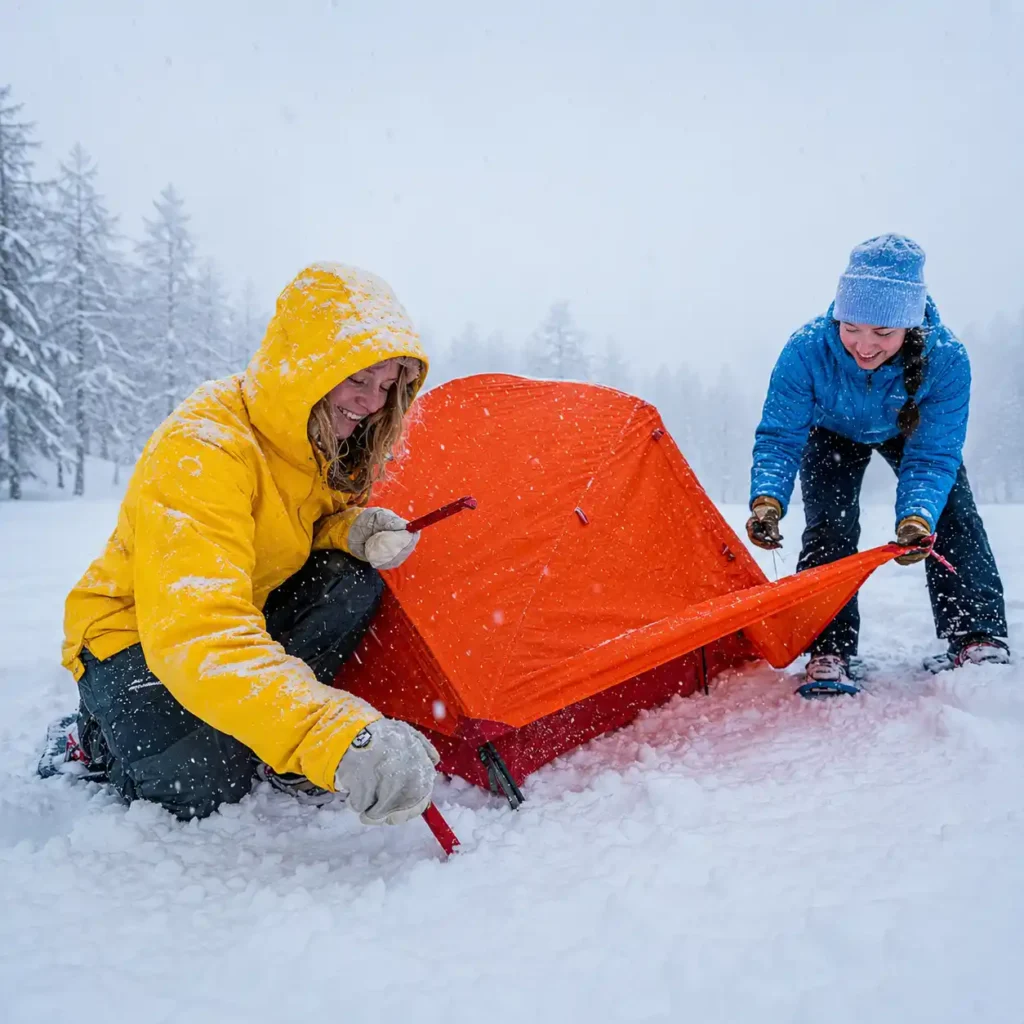
Choosing a cold-weather camping tent is less about buying the “warmest” shelter and more about understanding how the tent manages airflow, moisture, wind exposure, and overnight livability once temperatures begin dropping after sunset.
A tent that feels comfortable during mild autumn weather can become damp, drafty, or frustrating surprisingly quickly during freezing overnight conditions.
The best cold-weather tents usually balance several things at the same time:
- controlled ventilation
- reduced cold-air drafts
- stable structure in wind
- practical interior comfort
- manageable condensation levels
That balance matters much more than aggressive marketing terms like “winter-ready” or “all-season.”
1. Pay Attention to Ventilation — Not Just Warmth
One of the biggest mistakes campers make is assuming less airflow automatically creates a warmer sleeping environment.
Actually, tents with poor ventilation often become colder overnight because trapped humidity gradually dampens sleeping bags, clothing, and interior surfaces.
Look for tents with:
- adjustable upper vents
- controlled airflow panels
- full rainfly coverage
- reduced direct mesh exposure
A tent usually feels warmer when the interior stays dry and breathable instead of trapping damp air for hours at a time.
2. Full Rainfly Coverage Makes a Huge Difference
Cold wind exposure changes how a tent feels very quickly.
Tents with partial rainflies often allow:
- lateral drafts
- colder lower-wall airflow
- more interior heat loss
- increased fabric moisture during rain or snow
A full-coverage rainfly blocks wind much more effectively and usually improves overnight comfort far more than thicker fabric alone.
This becomes especially noticeable during:
- freezing rain
- windy campground exposure
- damp shoulder-season camping
- overnight temperature drops
3. Tent Shape Matters More Than Most People Realize
Tall vertical walls may feel spacious during mild camping conditions, but they often perform worse during cold windy weather.
Lower-profile tents usually:
- handle wind better
- reduce fabric movement
- retain warmth more evenly
- feel structurally calmer overnight
That does not mean every cold-weather tent should feel cramped.
But balanced geometry matters much more than oversized interior height once conditions become colder and windier.
4. Don’t Ignore Ground Insulation
Many campers blame the tent itself when they feel cold overnight.
In reality, cold ground exposure often causes heat loss much faster than outside air temperature.
Even a high-quality cold-weather tent will feel uncomfortable if the sleeping system underneath lacks proper insulation.
That becomes especially obvious during:
- frozen campground conditions
- damp soil exposure
- snow-covered terrain
- extended overnight cold
5. Match the Tent to Your Actual Camping Conditions
The best cold-weather tent depends entirely on:
- where you camp
- how often you camp
- how cold conditions realistically become
For most campers, a balanced cold-weather tent designed for:
- freezing nights
- cold rain
- shoulder-season trips
- windy campgrounds
makes far more sense than a heavy expedition-style shelter.
The goal is not buying the most aggressive tent possible.
The goal is choosing a shelter that remains:
- dry
- breathable
- stable
- comfortable
during the kind of cold-weather camping you actually do most often.
FAQ: Best Camping Tents for Cold Weather
What type of tent is best for cold weather camping?
The best cold-weather camping tents usually balance:
- warmth retention
- controlled ventilation
- reduced drafts
- condensation management
- stable wind protection
For most campers, a tent with:
- full rainfly coverage
- limited exposed mesh
- stronger pole structure
- adjustable airflow vents
performs much better during freezing overnight conditions than standard summer-oriented shelters.
Can you use a regular camping tent in cold weather?
Yes — but comfort drops quickly once temperatures approach freezing.
Most standard camping tents are designed primarily for warm-weather airflow, which often creates:
- stronger cold drafts
- poor warmth retention
- heavier overnight condensation
- colder sleeping conditions by morning
A proper cold-weather camping tent manages airflow and moisture much more effectively during freezing nights.
Why does my tent feel colder near morning?
This is one of the most searched cold-weather camping questions for a reason.
Temperatures usually drop most aggressively between 3 AM and sunrise. At the same time:
- humidity increases
- condensation builds
- sleeping pads lose efficiency
- damp air accumulates inside the tent
Many campers assume their sleeping bag failed, when the real issue is often:
- ground heat loss
- trapped moisture
- poor airflow management
Should tent vents stay open in cold weather?
Yes — at least partially.
Completely sealing a tent traps humid air from breathing and damp gear, which quickly increases condensation and interior frost buildup overnight.
Small controlled airflow usually creates:
- drier sleeping conditions
- less interior moisture
- better overnight comfort
than fully sealing the shelter.
Do smaller tents stay warmer in cold weather?
Usually yes.
Smaller tents generally:
- trap less unused air space
- warm up faster from body heat
- reduce airflow movement
- feel less drafty overnight
However, poor ventilation inside a very small tent can also increase condensation much faster during freezing conditions.
How do you stop condensation inside a cold-weather tent?
The biggest factors are:
- controlled airflow
- keeping wet gear outside
- avoiding fully sealed ventilation
- reducing interior humidity buildup
Condensation happens when warm humid air contacts cold tent surfaces overnight.
The goal is not eliminating airflow.
The goal is balancing:
- warmth
- ventilation
- moisture control
Are insulated tents worth it for winter camping?
For frequent cold-weather camping — often yes.
Insulated tents usually:
- reduce radiant heat loss
- limit interior drafts
- improve overnight comfort during freezing temperatures
But they also:
- weigh more
- pack larger
- ventilate less efficiently in mild weather
For most campground winter camping, a well-designed cold-weather tent with a strong sleep system is often enough without full insulation.
What temperature is too cold for a normal tent?
Most standard 3-season tents become noticeably uncomfortable once overnight temperatures drop below:
- 32°F (0°C)
especially during:
- wind exposure
- damp weather
- cold rain
- frosty campground conditions
The problem is usually not tent failure itself — it is poor airflow balance and reduced warmth retention during extended overnight exposure.
What is the biggest mistake people make with cold-weather camping tents?
Most beginners focus only on outside temperature while ignoring:
- ground insulation
- condensation buildup
- airflow management
- campsite positioning
- moisture inside the shelter
In real cold-weather camping, staying:
- dry
- ventilated
- protected from drafts
usually matters more than simply buying the thickest or heaviest tent possible.
Common Mistakes Campers Make With Cold-Weather Tents
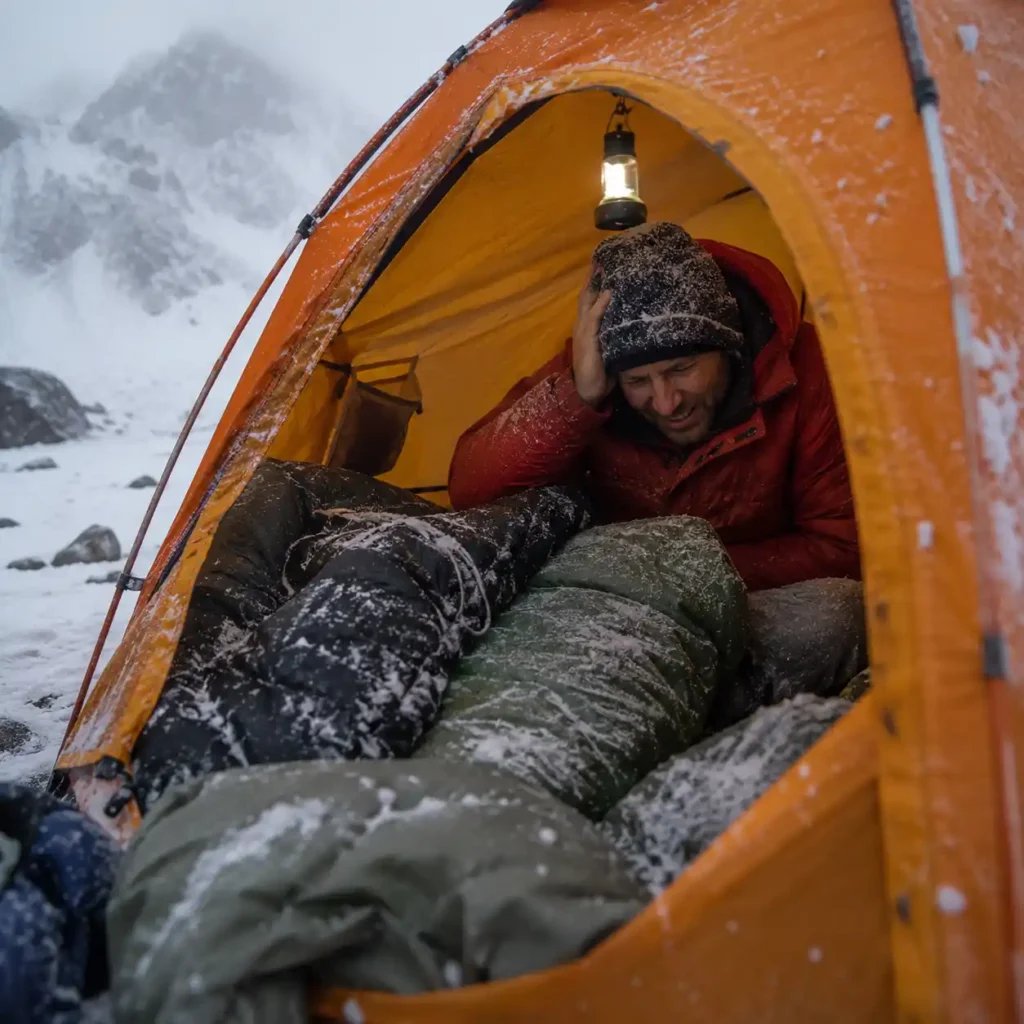
A good cold-weather tent can make freezing overnight camping feel surprisingly comfortable.
A poorly managed setup can make even an expensive shelter feel damp, drafty, and exhausting by morning.
Most cold-weather camping problems are not caused by catastrophic gear failure. They usually come from smaller mistakes that slowly reduce warmth, increase moisture buildup, and make sleeping conditions noticeably worse overnight.
Completely Sealing the Tent Overnight
This is probably the most common mistake beginners make during cold-weather camping.
Many campers close every vent and seal the tent completely because they assume trapped heat automatically creates a warmer shelter.
Usually the opposite happens.
Once humid air from breathing and damp clothing becomes trapped inside the tent, condensation starts building across colder interior surfaces. That moisture eventually makes sleeping gear feel colder and less comfortable overnight.
Small controlled airflow almost always creates a warmer sleeping environment by morning than fully sealed ventilation.
Using a Summer Tent in Freezing Conditions
Highly ventilated summer tents often perform poorly once temperatures begin dropping near freezing.
Large mesh interiors may feel comfortable during hot weather, but they also allow:
- constant cold-air circulation
- stronger drafts near sleeping areas
- reduced warmth retention overnight
Many campers underestimate how noticeable that difference becomes after several hours of cold exposure.
Ignoring Tent Placement
Cold-weather campsite positioning matters much more than many people realize.
Even a strong tent can feel significantly colder when pitched:
- directly in wind paths
- on exposed open ground
- beside low cold-air pockets
- on damp frozen surfaces
Small location adjustments often improve overnight warmth more effectively than changing the tent itself.
Protected tree coverage and slightly elevated ground usually create noticeably calmer overnight conditions.
Bringing Too Much Moisture Inside
Wet boots, damp jackets, snow-covered gear, and soaked gloves all increase interior humidity extremely quickly inside cold-weather shelters.
Once moisture accumulates overnight, condensation becomes much harder to control.
The best cold-weather setups minimize unnecessary moisture inside the sleeping area whenever possible.
Overestimating Tent Warmth
Tents do not generate heat.
They primarily:
- block wind
- reduce airflow
- manage moisture
- create a controlled sleeping environment
Actual warmth comes much more heavily from:
- sleeping bag insulation
- sleeping pad insulation
- dry clothing
- moisture control
A stronger tent helps protect that warmth — but it does not replace the rest of the sleep system.
Overbuying Aggressive Winter Shelters
Some campers assume they need a full expedition-style winter tent for ordinary freezing campground trips.
In reality, many heavy mountaineering shelters:
- ventilate poorly
- feel overly cramped
- create excess condensation
- become unnecessarily heavy for casual winter camping
For normal cold-weather campground use, balanced airflow and practical livability usually matter more than extreme storm protection.
The Biggest Thing Most Campers Learn Too Late
Cold-weather comfort is rarely about one single piece of gear.
It usually comes from several smaller things working together:
- stable shelter
- controlled airflow
- dry sleeping conditions
- ground insulation
- reduced moisture buildup
- proper campsite positioning
When those factors are balanced correctly, cold-weather camping becomes dramatically more comfortable than most beginners expect.
Final Verdict
The best camping tent for cold weather is not necessarily the warmest, heaviest, or most aggressive-looking shelter on the market.
What actually matters is how the tent performs after several cold hours outdoors — when condensation starts building, temperatures continue dropping overnight, and small design weaknesses become much more noticeable inside the shelter.
For overall balance between warmth retention, ventilation control, packed weight, and real overnight usability, the MSR Access 2 remains the strongest all-around option in this guide.
It handles freezing overnight conditions far better than most lightweight backpacking tents while still remaining practical for repeated cold-weather camping trips where airflow and moisture management matter just as much as insulation.
For campers prioritizing airflow balance and reduced condensation during damp shoulder-season conditions, the NEMO Kunai 3P delivers one of the most comfortable ventilation systems in this category.
Budget-focused campers looking for dependable cold-weather protection without entering premium expedition pricing will likely find the ALPS Mountaineering Lynx 2 the most approachable option for campground winter camping and occasional freezing overnight trips.
The GEERTOP 4-Season Backpacking Tent stands out most during windy, wet, and unstable shoulder-season weather where stronger structural protection matters more than interior spaciousness.
And for campers prioritizing interior comfort and livability during longer freezing campground stays, the Marmot Tungsten 2P offers one of the most practical comfort-focused layouts in this group.
Cold-weather camping is not about eliminating every bit of cold air.
It is about balancing:
- airflow
- condensation control
- wind protection
- dry sleeping conditions
- stable overnight comfort
That balance is what separates a tent that merely survives cold weather from one that actually feels comfortable to sleep inside.
Choose based on:
- realistic overnight temperatures
- wind exposure
- moisture conditions
- campsite type
- how you actually camp most often
—not just the most extreme marketing claims or the heaviest winter-rated shelter.
The right cold-weather tent should make overnight camping feel calmer, drier, and more comfortable once temperatures start dropping — not turn every cold trip into unnecessary survival mode.
About the Author
Anthony is the lead editor of CampComfortGuide.com and focuses on real-world camping gear testing centered around comfort, weather protection, and overnight usability during actual outdoor trips — not controlled showroom demos or marketing-driven first impressions.
Over the years, he has tested camping shelters during:
- freezing shoulder-season trips
- damp mountain campgrounds
- cold rain exposure
- windy overnight setups
- extended family camping conditions
His reviews prioritize the things campers usually notice only after several uncomfortable nights outdoors:
- condensation buildup
- cold-air drafts
- airflow balance
- structural stability
- realistic setup usability
- overnight comfort during changing weather
For cold-weather camping tents specifically, Anthony focuses heavily on how shelters manage:
- moisture control
- ventilation during freezing temperatures
- overnight livability
- wind exposure
- interior comfort after extended use
The goal is simple:
Help campers choose gear that remains comfortable, breathable, and dependable once temperatures drop and normal campground conditions start becoming less forgiving.