
The best camping tents for windy conditions are built to stay stable, quiet, and secure when strong gusts hit exposed campsites.
Hi, I’m Anthony.
After years of family camping, I’ve learned that wind is the one condition most campers underestimate. Rain is predictable. Wind isn’t. It builds slowly in the evening, changes direction at night, and finds every weak point in your tent.
I’ve spent nights listening to fabric snap like a sail, watched cheap poles flex until they bowed permanently, and had stakes pull out at 2 a.m. on exposed campsites. When that happens, comfort stops mattering. Stability becomes the only thing that counts.
If you’re searching for the best camping tents for windy conditions, this guide focuses on tents that stay standing, stay quiet, and stay livable when gusts roll through camp.
Wind stability matters most when camping on exposed campsites, coastal areas, open terrain, and elevated locations where gusts build quickly and shift unpredictably overnight.
Wind rarely comes alone. Strong gusts are often paired with rain, which is why How to Waterproof a Tent: The Ultimate Guide to Staying Dry still matters, even when wind is your main concern.
As an Amazon Associate, we earn from qualifying purchases.
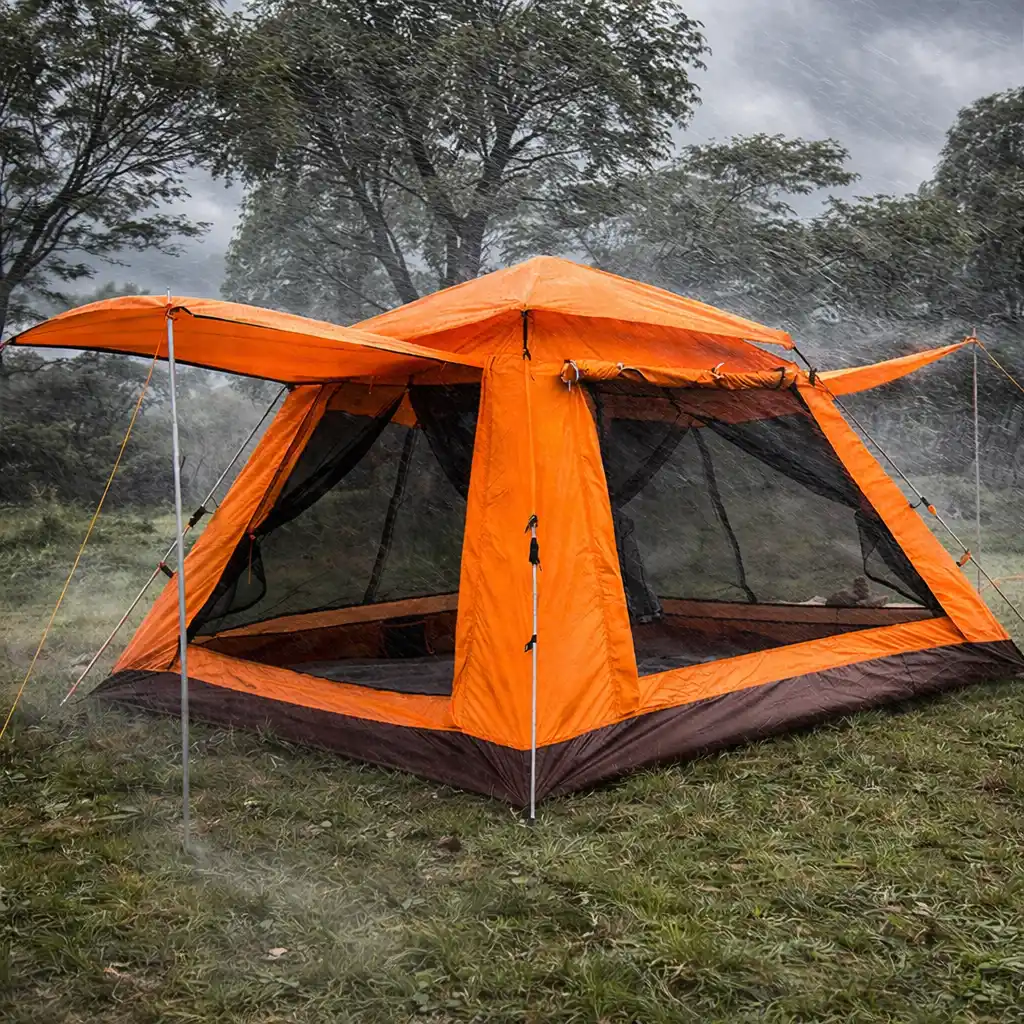
Why Wind Exposes Bad Tent Design Fast
Wind doesn’t just push on a tent — it creates constant lateral stress. Every gust pulls on seams, twists poles sideways, and turns loose fabric into a lever.
That’s why many tents that test fine in rain fail in wind. Even proper tent waterproofing still matters in storms, but water resistance alone won’t stop pole flex, noise, or structural fatigue.
Tent shape is critical here. In real-world conditions, dome tents generally handle wind better than cabin tents, simply because curved surfaces shed force instead of absorbing it.
Tent shape plays a huge role here. In real-world conditions, Dome vs. Cabin Tent: Which is Better for Camping? clearly shows why lower-profile designs handle wind better at exposed campsites.
Wind Noise & Sleep Quality
Wind problems are not always structural — noise is often the real issue.
Loose fabric, uneven tension, and poorly placed panels can turn mild gusts into constant flapping, snapping, and vibration. Even stable tents can feel uncomfortable if fabric movement creates persistent noise overnight.
Well-tensioned designs with balanced pole geometry typically deliver:
✅ Quieter nights
✅ Less fabric fatigue
✅ Better overall comfort in wind
Quick Summary: Our Top 3 Picks
Best for campers who deal with strong wind, sudden gusts, and exposed campsites, and want a tent that stays stable instead of flapping all night.
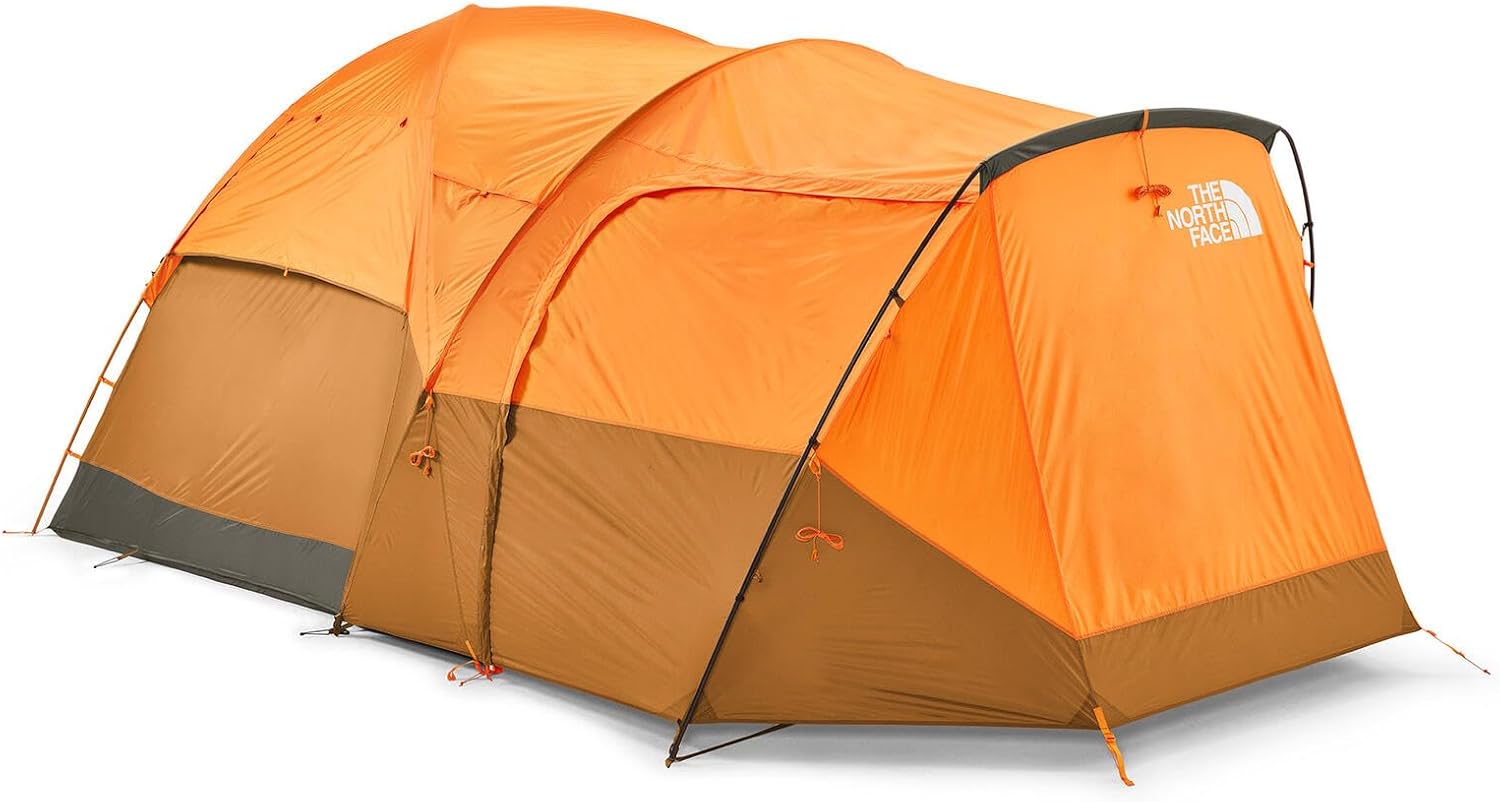
Best Overall (Maximum Stability): The North Face Wawona 6
Why: Strong pole structure, excellent guyline geometry, and a proven design that handles sustained wind better than most large tents.
Best Value (Budget Wind Resistance): ALPS Mountaineering Lynx 4
Why: Low-profile dome shape, solid pole tension, and reliable wind performance without the premium price.
Best Easy Setup (Fast & Secure): Coleman Instant Cabin
Why: Pre-attached poles and a rigid frame let you get the tent up and staked down quickly before wind picks up.
Not all tents respond to wind the same way. Stability, profile, and pole design create noticeable differences in real conditions.
Wind Comparison Table (Quick View)
Choosing a tent for windy conditions is easier when you compare stability, structure, and profile.
| Tent | Wind Stability | Profile Height | Pole Structure | Setup Speed | Best Use Case |
|---|---|---|---|---|---|
| The North Face Wawona 6 | ★★★★★ | Medium | Multi-pole reinforced frame | Moderate | Large campsites & exposed family camping |
| ALPS Mountaineering Lynx 4 | ★★★★☆ | Low | Cross-pole dome design | Moderate | Budget wind resistance & exposed sites |
| Coleman Instant Cabin | ★★★☆☆ | Tall | Rigid instant frame | Very Fast | Fast pitching before wind builds |
| Browning Big Horn | ★★★★☆ | Medium | Heavy-duty pole structure | Slower | Storm-ready mixed weather camping |
| MSR Elixir 4 | ★★★★★ | Low | Geodesic multi-crossing poles | Moderate | Wind stability & quiet nights |
⭐ Ratings reflect wind behavior and structural stability, not overall comfort.
Quick Comparison: Stability vs Comfort
If maximum wind stability is your priority → choose lower-profile dome or geodesic designs.
If you need space for family camping → prioritize stronger pole architecture and disciplined staking.
If weather changes fast → faster setup can reduce overall risk more than marginal structural gains.
Who Really Needs a Wind-Resistant Tent?
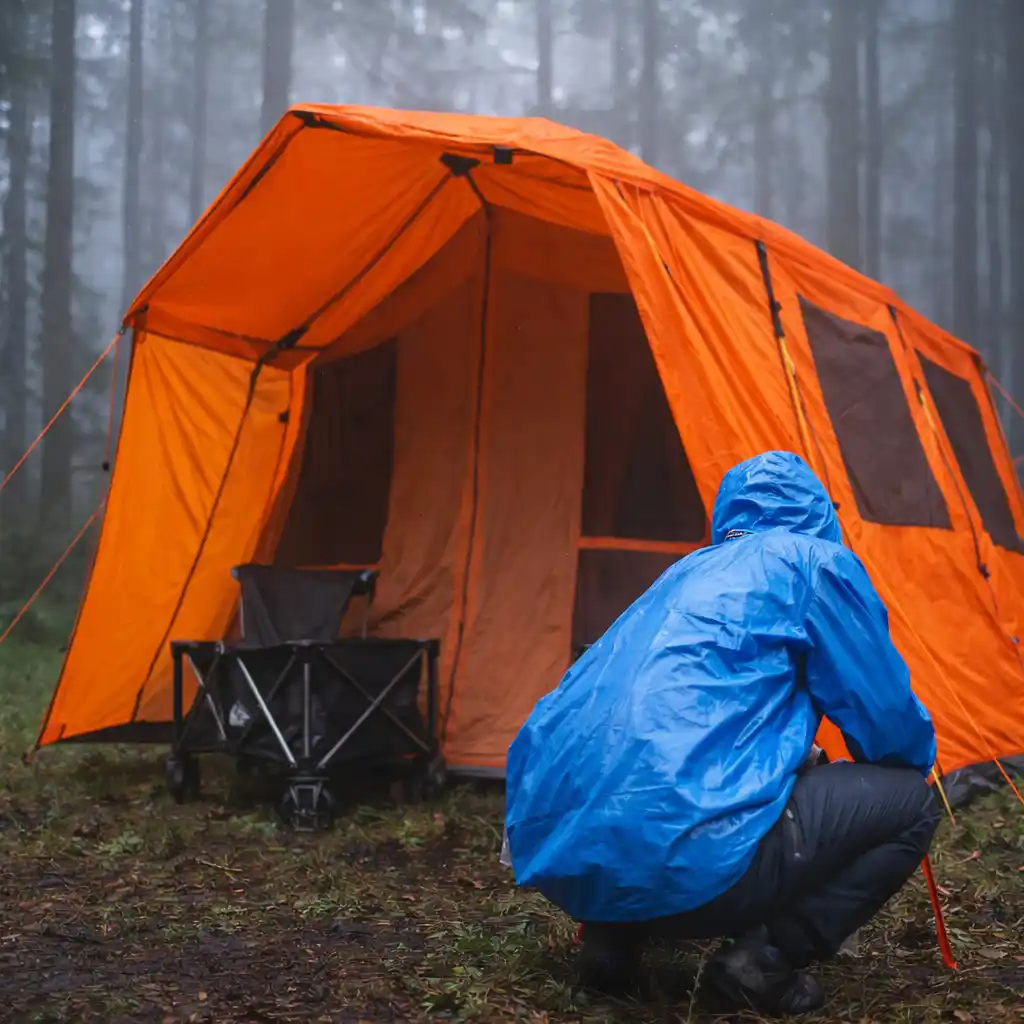
Not every camper needs a storm-ready shelter.
You should prioritize wind performance if you:
✅ Camp on exposed campsites (coastal, alpine, desert)
✅ Experience frequent overnight gusts
✅ Camp during shoulder seasons
✅ Value quiet sleep in unstable weather
✅ Use large family tents in open terrain
For sheltered campground camping, extreme wind resistance is often less critical.
What Makes a Tent Wind-Resistant?
Wind-ready tents share a few critical design traits.
Low-Profile, Aerodynamic Shape
Shorter walls and curved profiles help shed wind instead of catching it.
Strong Pole Architecture
Multiple pole crossings distribute load and reduce flex during gusts.
Smart Guyline Geometry
Well-placed guy points matter more than the total number of guylines.
Tight Fabric Tension
Taut fabric reduces flapping, noise, and long-term seam stress. Tight fabric tension also helps reduce condensation issues on windy, humid nights.
Loose fabric doesn’t just flap loudly at night — it also traps moisture. Keeping fabric tight improves stability, and How to Stop Condensation in a Tent: 7 Tips to Stay Dry explains why tension matters for both wind and moisture control.
If you regularly camp in severe conditions beyond strong winds — especially snow, freezing temperatures, or prolonged storms — a dedicated 4-season tent for extreme weather is a better fit than a standard wind-resistant camping tent.
Wind Stability vs Tent Height
Tent height directly affects wind exposure.
Taller tents provide better comfort and headroom but present more surface area for gusts. Lower-profile tents naturally shed wind more efficiently, reducing lateral stress on poles and seams.
In windy environments:
✅ Lower tents = better stability
⚠️ Taller tents = require careful orientation & staking
Choosing between comfort and stability becomes a practical trade-off rather than a simple preference.
Wind Performance Depends on More Than Tent Design
Even a well-designed tent can struggle if environmental factors are ignored.
Wind behavior changes dramatically depending on campsite exposure, terrain, and obstacles. Open ridgelines, beaches, deserts, and alpine zones generate very different wind stress compared to sheltered forest campsites.
Key real-world factors:
✅ Campsite exposure (open vs protected)
✅ Wind direction shifts overnight
✅ Ground type affecting stake security
✅ Natural windbreaks (trees, rocks, terrain)
Choosing the right tent matters — but site selection often matters just as much.
Best Tent Features for High Wind
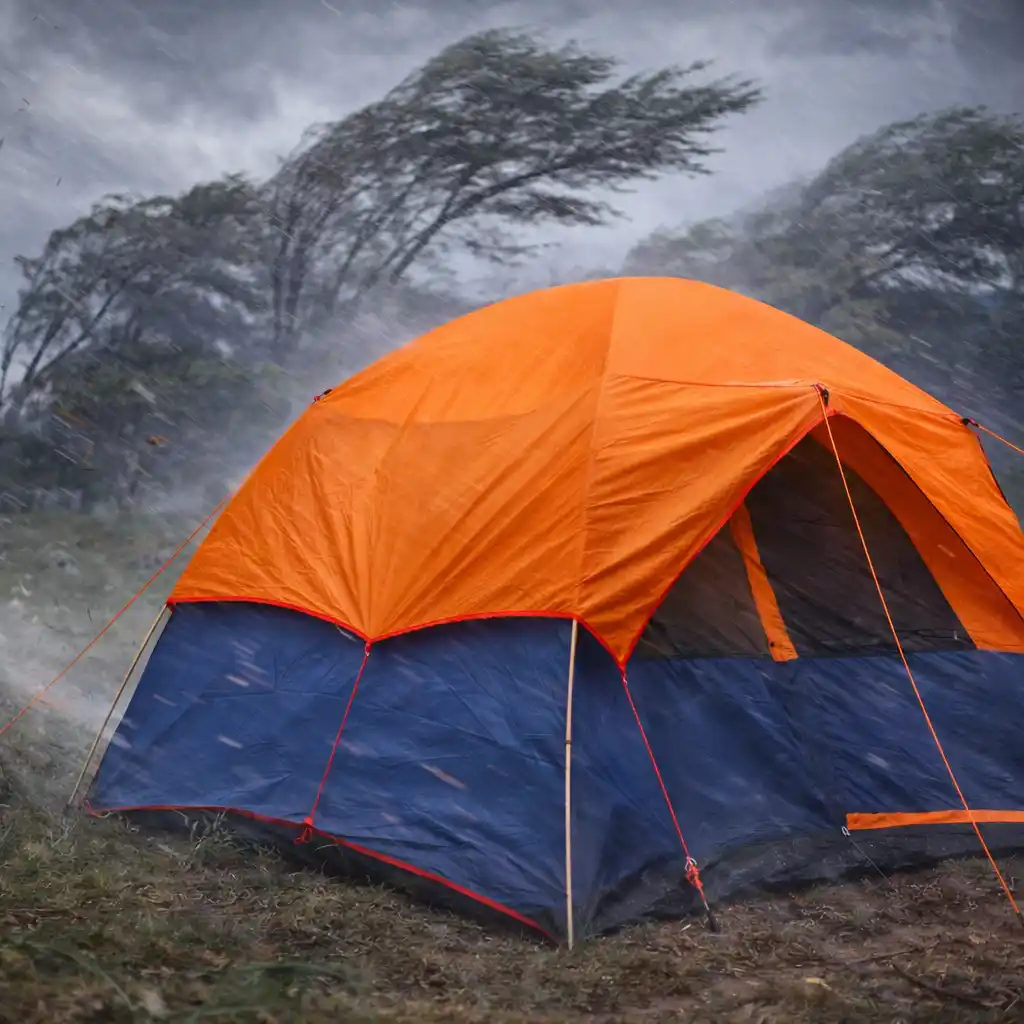
Certain design features consistently improve wind behavior:
✅ Multiple pole crossings → better load distribution
✅ Reinforced guy-out points → improved tension control
✅ Full-coverage rainfly → reduced fabric lift
✅ Strong aluminum poles → less permanent flex
✅ Low, aerodynamic profile → better gust deflection
These features matter more in wind than storage pockets or interior extras.
Best Camping Tents for Windy Conditions (In-Depth Reviews)
1. The North Face Wawona 6
Award: Best Overall Stability for Large Tents
Key Specs:
• Weight: ~20 lbs
• Peak height: 80 in
• Setup time: ~15 min
The North Face Wawona 6 is a rare large camping tent that remains predictable when strong wind builds overnight. Instead of flexing unevenly, the pole structure distributes pressure across the canopy, helping the tent hold its shape even during sustained gusts.
What stands out is how controlled the fabric behaves. When wind shifts direction at night, the tent doesn’t react sharply to every gust. Noise stays manageable, and seams aren’t constantly stressed by sudden movement. When properly staked, the large vestibule also works as a wind buffer, reducing direct pressure on the main tent body.
The trade-off is setup discipline. You gain family-sized space and stability, but only if the tent is oriented and tensioned correctly. This is not a tent you rush through in fading light.
Pros
✅ Uncommon stability for a large family tent
✅ Predictable behavior in sustained wind
✅ Quiet, well-tensioned fabric
Cons
❌ Requires careful staking
❌ Premium price
Best for: Campers who want space without sacrificing wind stability at exposed campsites.
2. ALPS Mountaineering Lynx 4
Award: Best Value for Windy Conditions

Key Specs:
• Weight: ~8.6 lbs
• Peak height: 52 in
• Setup time: ~10 min
The ALPS Mountaineering Lynx 4 works in wind because it avoids complexity. Its low-profile dome shape naturally sheds gusts, while the pole crossings keep fabric tension consistent instead of allowing sudden flex under pressure.
In real-world conditions, this tent stays calm at night. When wind shifts or pulses through camp, the structure reacts evenly rather than snapping or popping back into place. That predictability makes a big difference for sleep and long-term durability.
The compromise is interior comfort. You trade headroom and spaciousness for stability. This is a tent built to stay put, not to stand up inside.
Pros
✅ Low-profile, wind-shedding geometry
✅ Consistent pole tension
✅ Excellent stability for the price
Cons
❌ Limited headroom
❌ Tight for families
Best for: Budget-conscious campers and exposed sites where wind performance matters more than space.
3. Coleman Instant Cabin
Award: Fastest Setup Before Wind Picks Up

Key Specs:
• Weight: ~24 lbs
• Peak height: 72 in
• Setup time: ~1–2 min
The Coleman Instant Cabin is designed for situations where wind is already building and the tent needs to be fully anchored fast. The rigid, pre-attached frame resists twisting during setup, which reduces the risk of losing control before stakes are in the ground.
Speed is the real advantage here. Being able to pitch, stake, and tension the tent in minutes limits exposure during setup — one of the most common failure points in windy conditions. Once secured, the frame holds its shape better than expected for an instant tent.
The trade-off is profile. You gain fast, low-stress setup at the cost of increased wind exposure compared to lower, dome-style tents. Site selection and orientation matter more here.
Pros Extremely fast setup Rigid frame resists twisting in gusts Reduces risk during sudden weather changes
Cons Tall profile catches more wind Requires careful orientation
Best for: Campers who prioritize fast setup when wind is already picking up.
4. Browning Big Horn
Award: Best Storm-Ready Design for Unpredictable Weather
Key Specs:
• Weight: ~23 lbs
• Peak height: 87 in
• Setup time: ~12–15 min
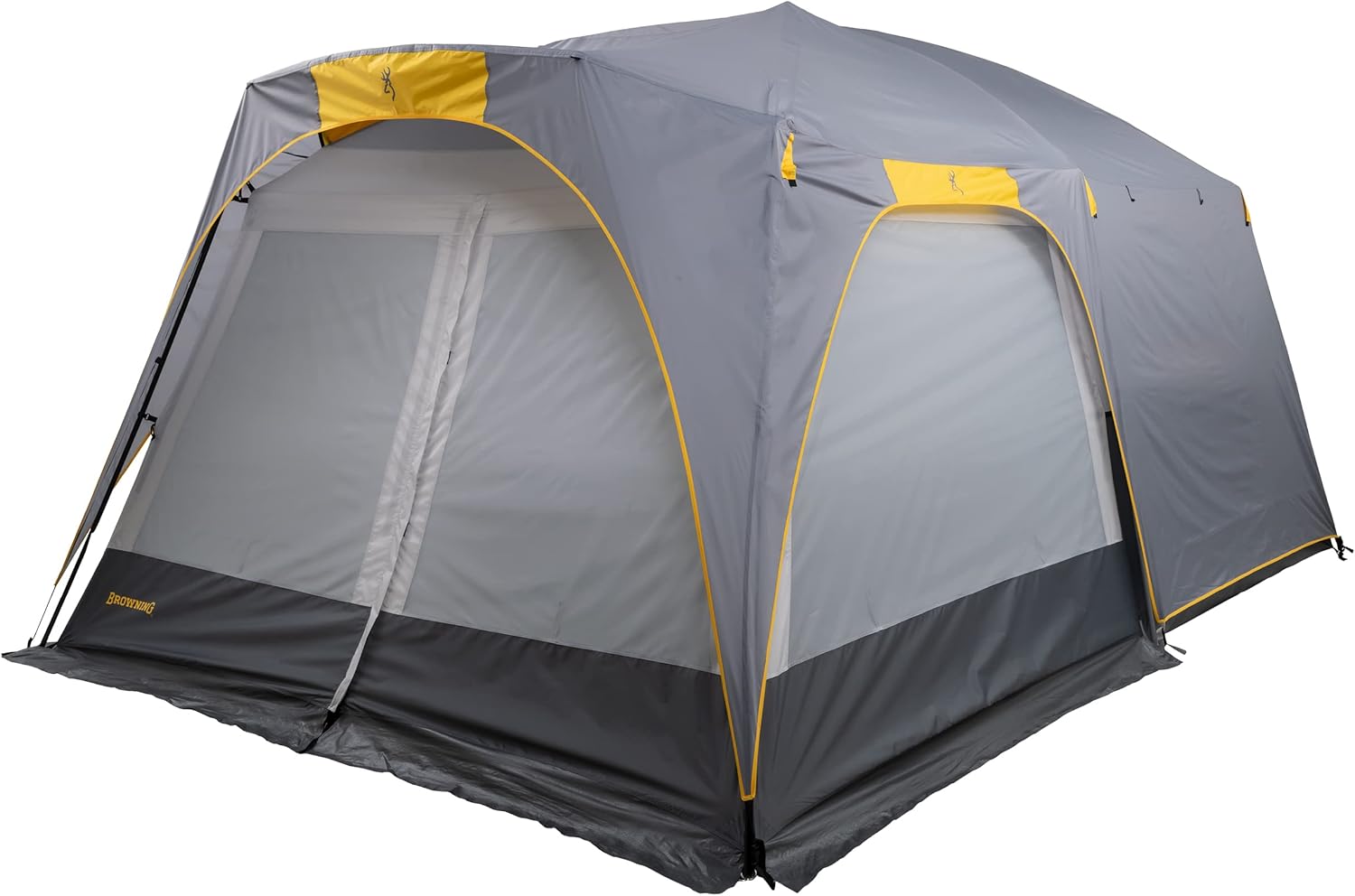
The Browning Big Horn is built for campers who expect weather to change quickly. Its sturdy pole structure and reinforced rainfly help limit excessive fabric movement when wind and rain arrive together.
At night, the tent feels planted rather than reactive. Instead of constant flapping, pressure is absorbed gradually through the frame, which reduces noise and seam stress during longer wind events.
The compromise is weight and setup time. This tent favors durability over convenience and rewards careful pitching.
Pros
✅ Stable frame in mixed wind and rain
✅ Durable materials
✅ Reduced fabric slap in gusts
Cons
❌ Heavier than dome tents
❌ Longer setup time
Best for: Campers dealing with unpredictable weather where durability matters more than speed.
5. MSR Elixir 4
Award: Quietest Tent in Strong Gusts

Key Specs:
• Weight: ~11 lbs
• Peak height: 48 in
• Setup time: ~10 min
The MSR Elixir 4 excels in wind because of its shape and tension control. The lower height and multiple pole crossings keep the canopy tight, preventing the sharp movements that cause noise and fatigue in gusty conditions.
When wind builds overnight, this tent remains one of the quietest options available. Fabric stays taut, and the structure flexes gradually instead of snapping back after each gust.
The trade-off is interior space. You gain excellent wind performance but sacrifice headroom and living comfort compared to larger tents.
Pros
✅ Excellent wind resistance
✅ Quiet, taut fabric at night
✅ Strong pole crossings
Cons
❌ Less interior space
❌ Higher price
Best for: Campers who prioritize stability and quiet nights over interior room.
How to Pitch a Tent in Wind (Step-by-Step)
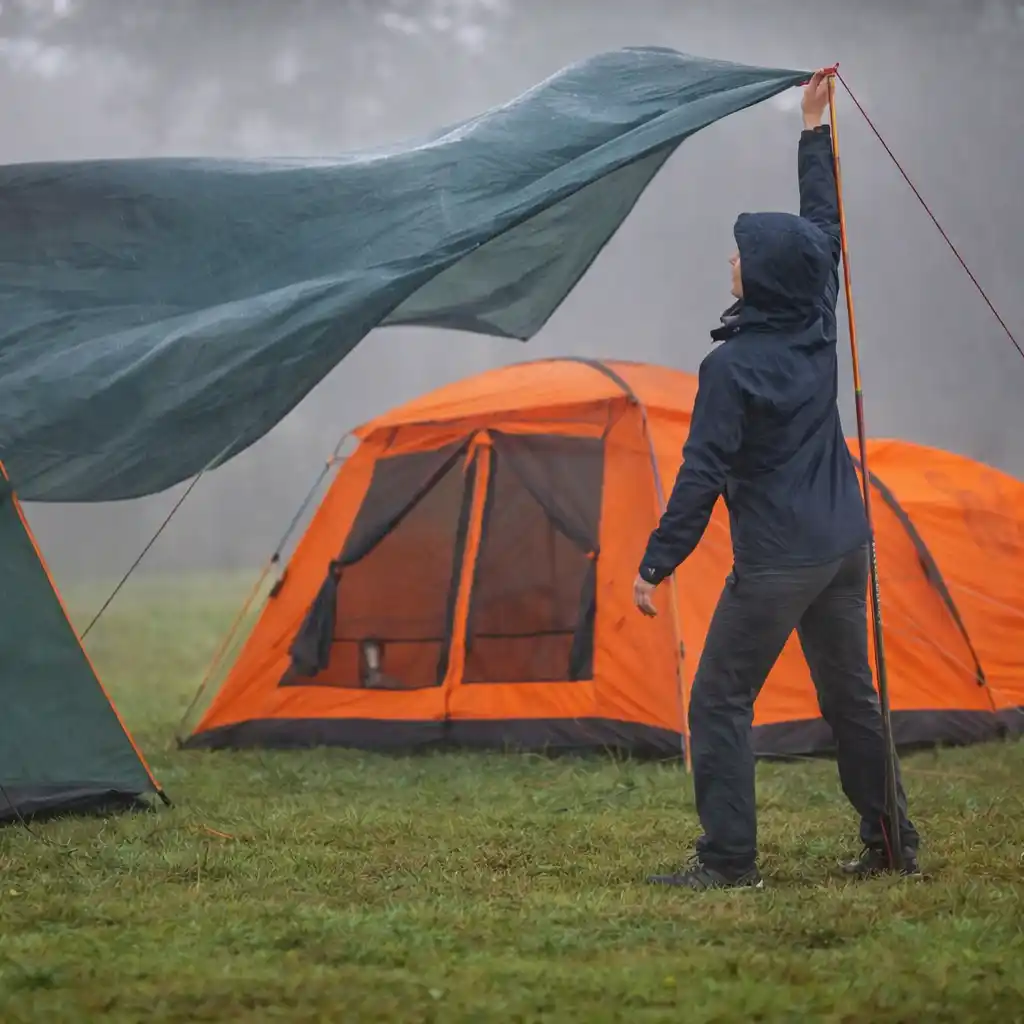
Even the best camping tents for windy conditions can fail if they’re pitched poorly. Wind problems are often setup problems, not gear problems.
Orient the Tent Correctly
Pitch the narrow end into the wind, not the door or broad side.Stake Before Fully Raising
Lightly stake corners before fully assembling to prevent lifting or twisting.Use Every Guyline
Proper staking and guyline setup makes a bigger difference than the tent itself.Tension Fabric Evenly
Tighten gradually and evenly to avoid stress points.Recheck After Sunset
Fabric relaxes as temperatures drop. Retension when wind often increases.- Choose Natural Windbreaks
Whenever possible, pitch near trees, rocks, terrain folds, or other barriers that reduce direct gust exposure.
Why Good Tents Still Fail in Wind
Wind-related tent failures are often caused by setup mistakes rather than poor gear.
❌ Inadequate staking depth
❌ Ignoring guyline tension
❌ Poor tent orientation
❌ Loose fabric panels
❌ Weak ground conditions
Even premium tents depend on correct pitching technique to perform as designed.
FAQ: Best Camping Tents for Windy Conditions
What tent shape is best for windy conditions?
Low-profile dome and geodesic tents perform best in windy conditions because their curved shapes shed wind rather than catching it.
Are cabin tents bad in wind?
Cabin tents are not inherently bad, but their tall, vertical walls catch more wind. They require careful orientation, staking, and guyline tension to remain stable in gusty conditions.
Do more poles mean better wind resistance?
Often yes. Multiple pole crossings improve load distribution and reduce structural flex, especially during sustained or shifting wind.
Can budget tents handle strong wind?
Some can, particularly low-profile dome designs. However, pole strength, fabric tension, and staking quality become more critical as wind increases.
Does wind cause leaks?
Indirectly. Wind-driven rain, loose fabric, and seam stress can allow water entry even in otherwise waterproof tents.
Should I always use guylines?
Yes in windy conditions. Guylines significantly improve stability, reduce noise, and protect pole integrity.
How much wind can a typical camping tent handle?
Most standard camping tents are designed for moderate wind rather than extreme storms. Real-world tolerance depends on pole strength, tent shape, staking quality, and guyline use. Lower-profile dome and geodesic tents generally handle stronger gusts better than tall cabin designs.
Do guylines really make a difference in wind?
Yes — often more than campers expect. Properly tensioned guylines stabilize pole stress, reduce fabric movement, minimize noise, and significantly improve structural stability during gusty conditions.
Buying Guide: Choosing the Right Tent for Wind
Here’s how experienced campers actually choose:
Wind exposure frequent? → prioritize shape over space
Family camping? → strong frame beats extra headroom
Changing weather? → faster setup reduces risk
Noise sensitive? → tighter fabric > thicker fabric
If you’re still weighing different designs and trade-offs, Best Camping Tents for Every Type of Camper in 2026 helps compare tent styles based on conditions, not marketing claims.
Final Verdict

The best camping tents for windy conditions focus on stability, structure, and smart design — not flashy features or marketing specs.
Want maximum stability in strong wind? → The North Face Wawona 6
Need the best value for windy campsites? → ALPS Mountaineering Lynx 4
Want to set up fast before gusts pick up? → Coleman Instant Cabin
Camping in unpredictable weather? → Browning Big Horn
Prioritize quiet nights and tight fabric? → MSR Elixir 4
Choose a tent that works with the wind, not against it. Shape, tension, and setup matter more than brand names when conditions turn rough.
Happy camping,
— Anthony