
Hi, I’m Anthony.
One of the easiest ways to make a campsite cleaner, more comfortable, and easier to manage is adding a proper camping rug. After years of family camping trips, I’ve learned that a good rug does far more than improve appearance—it creates a dedicated place for shoes, helps keep dirt out of your tent, and adds a layer of comfort and cleanliness that most campers underestimate.
As an Amazon Associate, we earn from qualifying purchases.
If you’re looking for the best camping rugs for tents, you’re probably trying to solve one of three common problems: keeping sand and mud outside, making the tent floor more comfortable, or creating a cleaner living area around your campsite.
The challenge is that different rugs serve different purposes. A breathable outdoor mat that works perfectly at a tent entrance may feel uncomfortable inside a sleeping area, while a soft interior rug can quickly become soaked, dirty, and difficult to dry after rain.
To help you choose the right option, I compared popular camping rugs based on dirt control, comfort, durability, ease of cleaning, weather resistance, and packability. Whether you need a sand-free mat for beach camping, a cozy floor covering for family trips, or a durable outdoor rug for extended stays, this guide highlights the best options available in 2026.
If you’re building a more comfortable campsite overall, pairing a quality rug with one of the 5 Best Camping Mattresses & Sleeping Mats for Car Camping in 2026 can dramatically improve sleep quality. For larger family setups, the Car Camping Essentials Checklist: The Ultimate Guide for Families (2026) covers additional comfort upgrades that make life at camp easier and more organized.
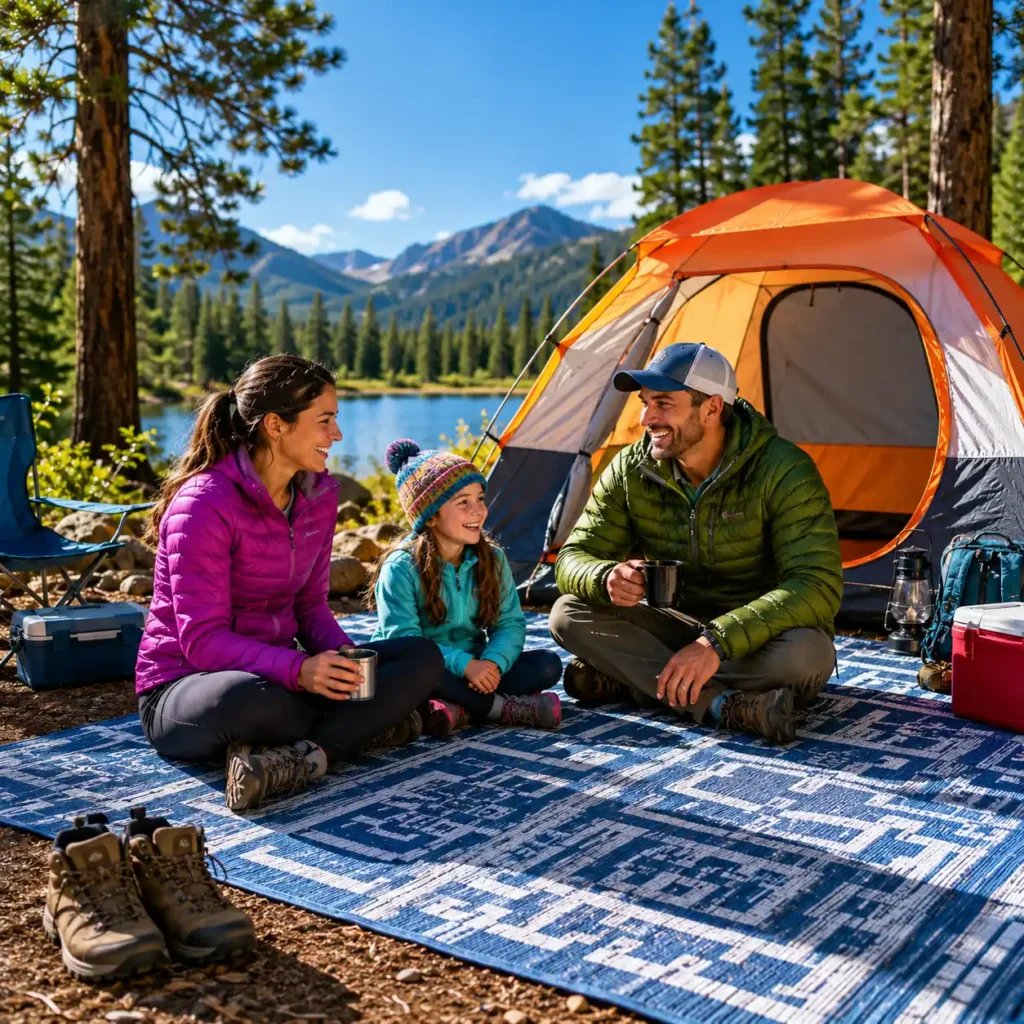
Table of Contents
Best Camping Rug by Use Case
Not every camping rug is designed for the same purpose. If you’re short on time, use the recommendations below to quickly find the best option for your camping style.
Best Overall Entryway Mat: RVguard Reversible Patio Mat
Best for keeping dirt, sand, and moisture outside the tent.
Best for Beach Camping: CGEAR The Original Sand-Free Outdoor Mat
Patented sand-filtering technology for sandy campsites.
Best for Cushion & Insulation: ProsourceFit EVA Foam Puzzle Mat
Creates a softer, warmer tent floor on hard ground.
Best Style & Patterns: Camco Reversible Outdoor Patio Mat
Adds visual appeal while maintaining practical performance.
Best for Bare Feet: Sorbus Artificial Grass Turf Rug
Provides the softest and most comfortable surface around camp.
Why You Can Trust This Guide
Camping rugs might seem like a small piece of gear, but they have a surprisingly big impact on campsite comfort, cleanliness, and tent longevity. Over the years, I’ve used everything from inexpensive woven patio mats to foam flooring systems, artificial turf rugs, and sand-free mats while camping with family in a variety of conditions.
For this guide, I evaluated camping rugs based on the factors that matter most in real-world use: dirt control, comfort underfoot, weather resistance, durability, ease of cleaning, and packability. I also compared how different materials perform in common camping environments, including muddy campsites, sandy beaches, family campgrounds, and extended car camping trips.
Rather than focusing on marketing claims, this guide prioritizes products that solve actual camping problems. Whether you’re trying to keep sand out of your tent, create a comfortable barefoot area around camp, or protect your tent floor from wear and tear, these recommendations are based on practical camping needs and long-term value.
For campers looking to protect their shelter investment, I also recommend reading What Is a Tent Footprint? Ground Tarps Explained & What Actually Protects Your Tent Floor (2026), which explains how ground protection and campsite flooring work together to extend tent life.
How We Evaluated & Tested

Not every camping rug is designed for the same purpose. Some excel at keeping dirt and sand outside the tent, while others focus on insulation, comfort, or creating a cleaner outdoor living space. To identify the best options, I evaluated each rug using the criteria that matter most during real camping trips.
Whenever possible, I prioritize products with long-term user feedback and proven durability in real camping environments rather than relying solely on manufacturer specifications.
Dirt & Sand Control
One of the primary jobs of a camping rug is reducing the amount of dirt tracked into your tent. Rugs that allow sand, dust, and debris to fall through the surface scored higher than mats that trap dirt on top.
Comfort Underfoot
A rug should make your campsite more enjoyable to use. I looked at how comfortable each option felt when walking barefoot, kneeling while organizing gear, or spending time around camp with family and pets.
Weather Resistance
Camping gear needs to handle changing conditions. Products that resist moisture, dry quickly, and continue performing after rain received higher ratings than rugs that absorb water and stay wet for long periods.
Durability & Wear Resistance
Camping rugs are exposed to heavy foot traffic, folding, UV exposure, pets, chairs, coolers, and rough ground surfaces. I prioritized models that can withstand repeated outdoor use without fraying, tearing, or losing their shape.
Ease of Cleaning
A camping rug should simplify campsite cleanup, not create more work. Products that can be swept, shaken, rinsed, or wiped clean in minutes earned the highest scores.
Packability & Storage
Finally, I considered how easily each rug packs for transport and storage. Lightweight, compact designs are especially important for family campers trying to maximize vehicle space. If efficient packing is a priority, How to Pack a Car for Camping (Efficient Gear Layout Guide 2026) provides additional strategies for organizing bulky camping gear.
Why You Need the Best Camping Rugs for Tents
Most campers don’t start looking for a camping rug because they want to make their campsite look better. They start looking after getting tired of dirt, sand, wet shoes, and debris constantly finding their way into the tent.
A camping rug creates a transition zone between the outdoors and your sleeping area. Instead of tracking mud, gravel, pine needles, and sand directly into the tent, campers have a dedicated place to remove shoes, organize gear, and clean off debris before stepping inside.
This becomes especially valuable during family camping trips when multiple people are entering and leaving the tent throughout the day. A small amount of dirt quickly turns into a dirty tent floor, dusty sleeping gear, and extra cleanup at the end of the trip.
The right camping rug also improves comfort around camp. Outside the tent, it creates a cleaner space for camp chairs, coolers, and everyday foot traffic. Inside the tent, padded flooring or insulated mats can make hard-packed ground feel noticeably more comfortable underfoot.
Weather is another factor many campers overlook. Morning dew, rain, and wet grass can quickly turn the area around a tent into a muddy mess. Quick-drying camping rugs help reduce moisture around camp while creating a cleaner place to step when conditions aren’t ideal.
For most campers, a quality camping rug isn’t a luxury item. It’s one of the simplest ways to create a cleaner, more organized, and more comfortable campsite from the moment you arrive.
What Actually Matters in a Camping Rug?
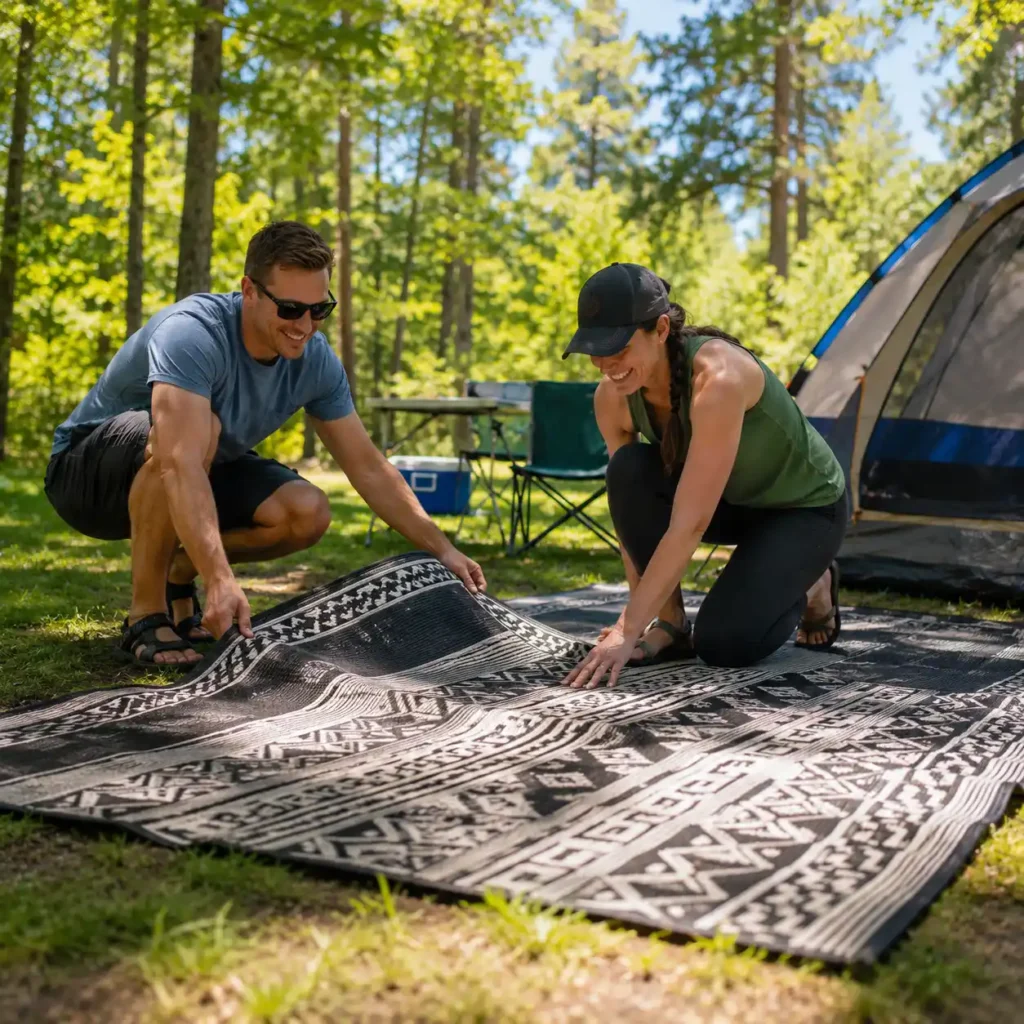
Many campers focus on size or appearance first, but those are rarely the factors that determine whether a camping rug performs well in the field. The best camping rugs balance cleanliness, comfort, durability, and ease of maintenance based on how and where you camp.
Location Matters More Than Material
The first question is whether the rug will be used inside or outside the tent.
For entryways, breathable woven mats are usually the best choice because dirt, sand, and water can pass through the surface instead of collecting on top. Inside the tent, comfort becomes more important, making padded foam flooring or soft waterproof blankets a better solution.
Dirt Control Can Transform Your Campsite
A good camping rug acts like a filtration zone between the outdoors and your sleeping area. The more dirt that stays outside, the cleaner your tent, sleeping gear, and clothing remain throughout the trip.
This becomes especially important during rainy weather when mud can quickly spread through camp. If wet conditions are common where you camp, 10 Tips for Camping in the Rain: How to Stay Dry & Happy (2026) covers additional strategies for keeping gear and sleeping areas clean.
Comfort Makes a Bigger Difference Than Most Campers Expect
Hard-packed ground, gravel pads, and rocky campsites can make everyday camp activities uncomfortable. A quality rug creates a softer surface for changing clothes, organizing gear, playing with children, or simply walking around barefoot.
Families often notice the biggest improvement because a comfortable floor surface encourages kids to spend more time inside the tent without tracking dirt everywhere.
Fast Drying Materials Save Time and Frustration
Camping rugs regularly encounter dew, rain, spills, and wet shoes. Materials that dry quickly are typically more practical than thick fabrics that absorb moisture and stay damp for hours.
For most campers, quick-drying and easy-to-clean materials are more valuable than luxury appearance alone.
Packability Still Matters
Even excellent rugs become frustrating if they consume too much cargo space. Before buying, consider how the rug folds, rolls, or packs alongside the rest of your equipment. Campers traveling with lots of gear may also benefit from How to Organize a Campsite (Efficient Setup That Actually Works) to create a cleaner and more efficient camp layout.
Quick Summary: Top 3 Picks for Cleanliness
If you’re looking for the best camping rug for tents, these are the standout options from our testing.
🥇 Best Overall Entryway Mat: RVguard Reversible Patio Mat (9×12)
A lightweight, waterproof woven mat that keeps dirt, sand, and moisture outside your tent while creating a comfortable campsite entry area.
🏖️ Best for Beach Camping: CGEAR The Original Sand-Free Outdoor Mat
Its patented sand-filtering technology allows sand to fall through the mat without coming back up, making it ideal for beach and desert campsites.
🛏️ Best for Cushion & Insulation: ProsourceFit EVA Foam Puzzle Mat
Provides excellent comfort and insulation from cold ground, helping transform a basic tent floor into a warmer and more comfortable sleeping space.
🎨 Best Style & Patterns: Camco Reversible Outdoor Patio Mat
Combines practical dirt control with attractive outdoor-friendly designs that help create a more inviting campsite.
🦶 Best for Bare Feet / Softest Feel: Sorbus Artificial Grass Turf Rug
A soft artificial grass surface that feels comfortable underfoot while helping remove dirt from shoes before entering the tent.
Best Choice for Different Camping Needs
Choose RVguard for the best all-around performance.
Choose CGEAR if you frequently camp on sand.
Choose TEPsmigo if comfort and insulation are your top priorities.
Choose Camco if campsite appearance matters to you.
Choose Sorbus if you want the softest surface for barefoot use.
Camping Rug Comparison Table: Features, Comfort & Best Uses
Choosing the best camping rug for tents depends on where and how you camp. Some rugs excel at keeping sand and dirt outside your tent, while others focus on comfort, insulation, and barefoot-friendly surfaces. Use the comparison table below to quickly identify the right option for your campsite, whether you need a durable entryway mat, a sand-free beach solution, or a softer floor covering for family camping.
| Product | Best For | Dirt Control | Comfort | Dries Fast | Best Location |
|---|---|---|---|---|---|
| RVguard Reversible Patio Mat | Overall Entryway Use | Excellent | Moderate | Excellent | Outside Tent |
| CGEAR The Original Sand-Free Outdoor Mat | Beach Camping | Excellent | Moderate | Excellent | Outside Tent |
| ProsourceFit EVA Foam Puzzle Mat | Cushion & Insulation | Good | Excellent | Good | Inside Tent |
| Camco Reversible Outdoor Patio Mat | Style & Patterns | Very Good | Moderate | Excellent | Outside Tent |
| Sorbus Artificial Grass Turf Rug | Barefoot Comfort | Very Good | Excellent | Good | Tent Entry Area |
The Best Camping Rugs for Tents in 2026: Our Top Picks Reviewed
Not all camping rugs are designed for the same purpose. Some excel at keeping dirt and sand outside your tent, while others focus on comfort, insulation, or barefoot-friendly surfaces. The camping rugs below were selected for their durability, ease of cleaning, weather resistance, and real-world performance in family campgrounds, beach campsites, and everyday car camping setups.
1. RVguard Reversible Patio Mat (9x12)
Award: Best Overall Entryway Mat
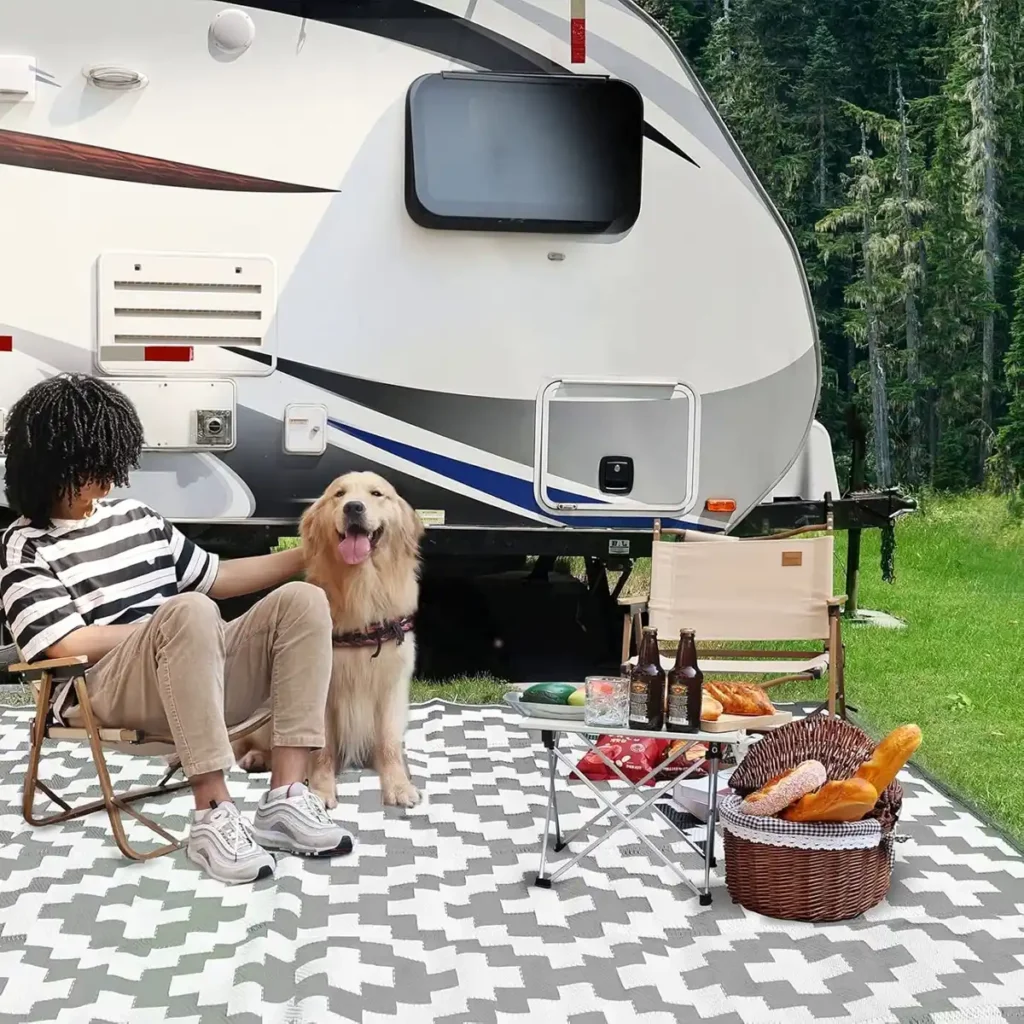
Most of the dirt that ends up inside a tent doesn’t blow in with the wind—it arrives on shoes, boots, pet paws, and camping gear. Creating a clean transition zone outside your tent is one of the simplest ways to reduce mess, and that’s exactly where the RVguard Reversible Patio Mat excels.
Made from woven polypropylene, this outdoor mat allows dirt, sand, and moisture to pass through the weave instead of collecting on the surface. The material is lightweight, waterproof, and easy to clean, making it a practical choice for everything from weekend family camping trips to extended campground stays.
Unlike traditional household rugs, the RVguard won’t absorb rainwater or remain damp after wet weather. A quick shake, sweep, or rinse is usually all that’s needed to keep it looking clean throughout a trip.
Why We Chose It
The RVguard delivers the best combination of dirt control, weather resistance, portability, and overall value in this guide. It works well at tent entrances, under canopies, and around camp seating areas, making it one of the most versatile camping rugs available.
Quick Specs
- Material: Woven polypropylene
- Size: 9 x 12 ft
- Waterproof: Yes
- Reversible Design: Yes
- Stakes Included: Yes
- Best Location: Tent entrance or outdoor living area
What We Like
✅ Allows dirt and sand to fall through the weave
✅ Dries quickly after rain or morning dew
✅ Large coverage area helps keep campsites cleaner
✅ Lightweight and easy to transport
✅ Reversible design offers two appearance options
What Could Be Better
❌ Not particularly soft for sitting or lounging
❌ Can feel slippery when used with socks
Why It Earned This Award
Many camping rugs perform well in one specific area, but the RVguard consistently performs well across every category that matters most. It is durable, easy to maintain, weather resistant, and effective at reducing the amount of debris tracked into your tent.
For most campers, it represents the best balance of performance, practicality, and long-term value.
Final Verdict
The RVguard Reversible Patio Mat is an easy recommendation for campers who want a cleaner and more organized campsite. Its combination of durability, low maintenance, and effective dirt control makes it the best overall entryway mat in this guide.
Availability and pricing may change over time.
2. CGEAR The Original Sand-Free Outdoor Mat
Award: Best for Beach Camping
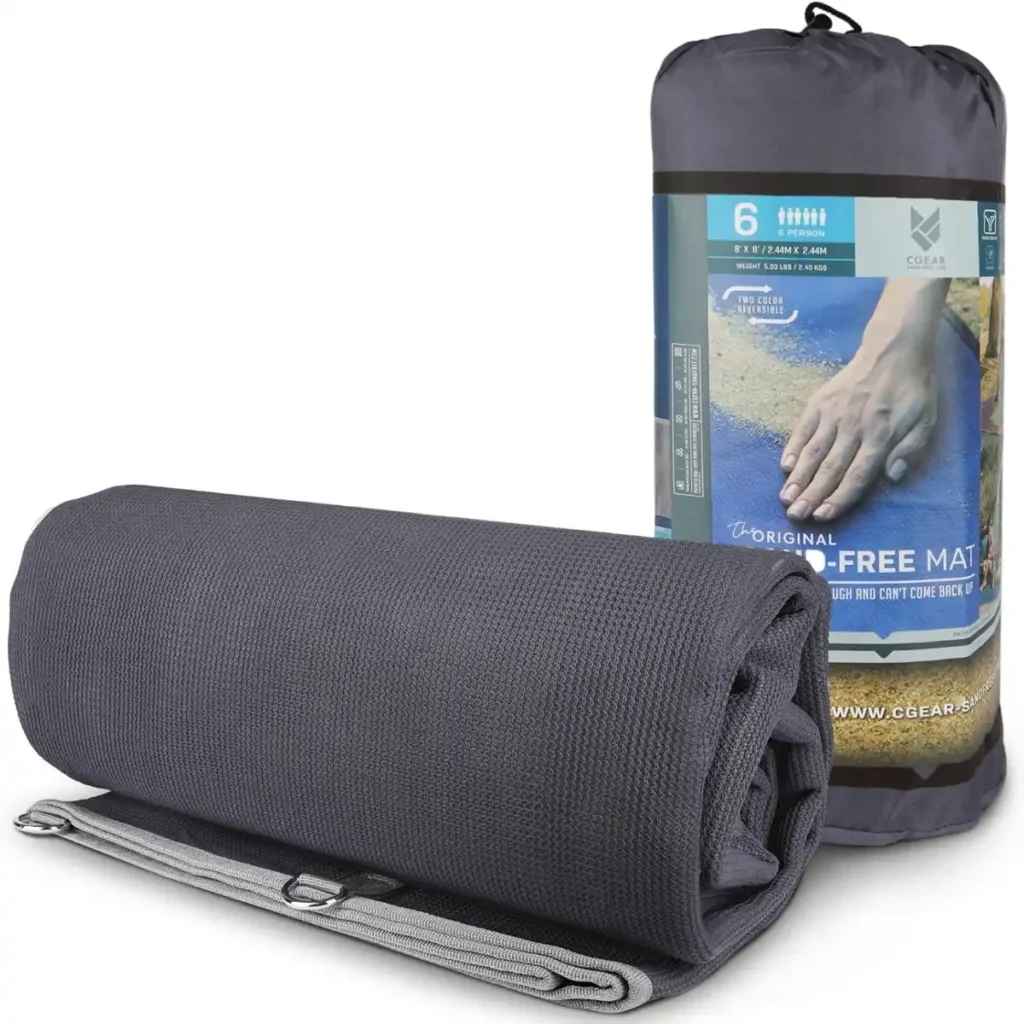
Patented sand-free technology is the reason the CGEAR has developed such a loyal following among beach campers. While most outdoor mats simply collect sand on the surface, this design allows sand, dirt, and dust to pass through the material instead of building up where people walk, sit, and store gear.
The concept was originally developed for environments where controlling debris is critical. In practical camping terms, that means less sand tracked into your tent, less grit on sleeping gear, and far less time spent sweeping your campsite throughout the day.
For beach camping, lakeside camping, and desert campsites, that difference becomes obvious very quickly. A few seconds of brushing sand across the surface is often enough to make it disappear through the mat.
Why We Chose It
The CGEAR earned this award because it offers one of the most effective solutions available for sand control and campsite cleanliness. Few camping rugs solve such a specific problem as well as this one.
Quick Specs
- Material: Patented multi-layer mesh
- Waterproof: Yes
- Mold Resistant: Yes
- Stake Points: Metal D-rings
- Quick Drying: Yes
- Best Location: Beach campsites, sandy campgrounds, and tent entry areas
What We Like
✅ Patented one-way sand filtration system
✅ Significantly reduces sand around camp
✅ Durable construction for repeated outdoor use
✅ Quick drying and mold resistant
✅ Metal D-rings provide secure anchoring
What Could Be Better
❌ More expensive than traditional camping mats
❌ Surface texture can feel rough on bare knees
Why It Earned This Award
Many camping rugs help reduce dirt, but the CGEAR is specifically engineered to deal with sand. That specialization makes it exceptionally effective in environments where standard woven mats often struggle.
For campers who spend time on beaches, dunes, riverbanks, or sandy campgrounds, the ability to keep sand from accumulating around camp can noticeably improve comfort and reduce cleanup.
Final Verdict
The CGEAR Original Sand-Free Outdoor Mat is one of the few camping products that solves a frustrating problem exactly as advertised. If beach camping is a regular part of your outdoor adventures, it’s a worthwhile upgrade that helps keep both your campsite and your tent cleaner.
Availability and pricing may change over time.
3. ProsourceFit Extra Thick Exercise Puzzle Mat
Award: Best for Cushion & Insulation
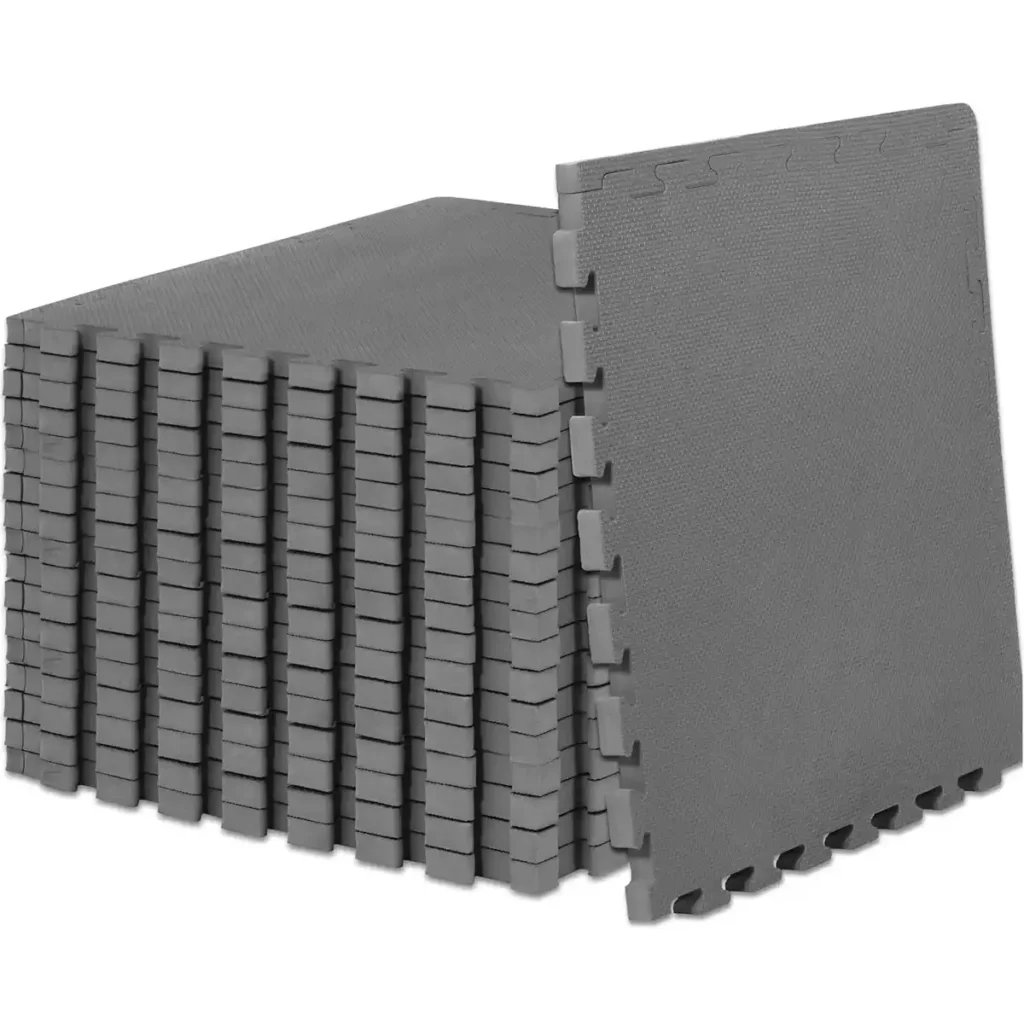
A tent floor doesn’t have to feel like hard-packed ground. The right layer underfoot can make the difference between a basic shelter and a sleeping space that feels noticeably warmer, quieter, and more comfortable.
The TEPsmigo Extra Large Waterproof Blanket is designed for campers who want more than simple dirt protection. Instead of acting as an outdoor entry mat, it creates a softer surface inside the tent where you spend most of your time changing clothes, organizing gear, relaxing, and sleeping.
Its waterproof construction helps protect against moisture from below while adding an extra layer between campers and the cold ground. For family camping, especially with young children, that additional comfort is often appreciated long after the tent is set up.
Why We Chose It
While most camping rugs focus on keeping dirt outside, the TEPsmigo focuses on comfort, insulation, and livability inside the tent. It fills a completely different role than traditional woven camping mats.
Quick Specs
- Material: Waterproof fabric construction
- Waterproof: Yes
- Portable: Yes
- Easy to Clean: Yes
- Best Location: Inside the tent
- Primary Benefit: Comfort and insulation
What We Like
✅ Creates a softer surface inside the tent
✅ Adds insulation from cold ground
✅ Waterproof backing helps block moisture
✅ Comfortable for kids and barefoot use
✅ Easy to fold and transport
What Could Be Better
❌ Provides less dirt control than outdoor entry mats
❌ Can take longer to dry than woven polypropylene rugs
Why It Earned This Award
Most campers focus on keeping dirt out of the tent, but comfort matters just as much once you’re inside. The TEPsmigo helps transform a basic tent floor into a more welcoming living space while providing additional insulation between sleepers and the ground.
For campers who prioritize comfort over campsite aesthetics, it’s one of the most practical upgrades available.
Final Verdict
The TEPsmigo Extra Large Waterproof Blanket is best suited for campers who want a warmer and more comfortable tent interior. It won’t replace a dedicated outdoor entry mat, but it excels at creating a softer and more inviting space where you’ll spend the majority of your time inside the tent.
Availability and pricing may change over time.
4. Camco Reversible Outdoor Patio Mat
Award: Best Style & Patterns
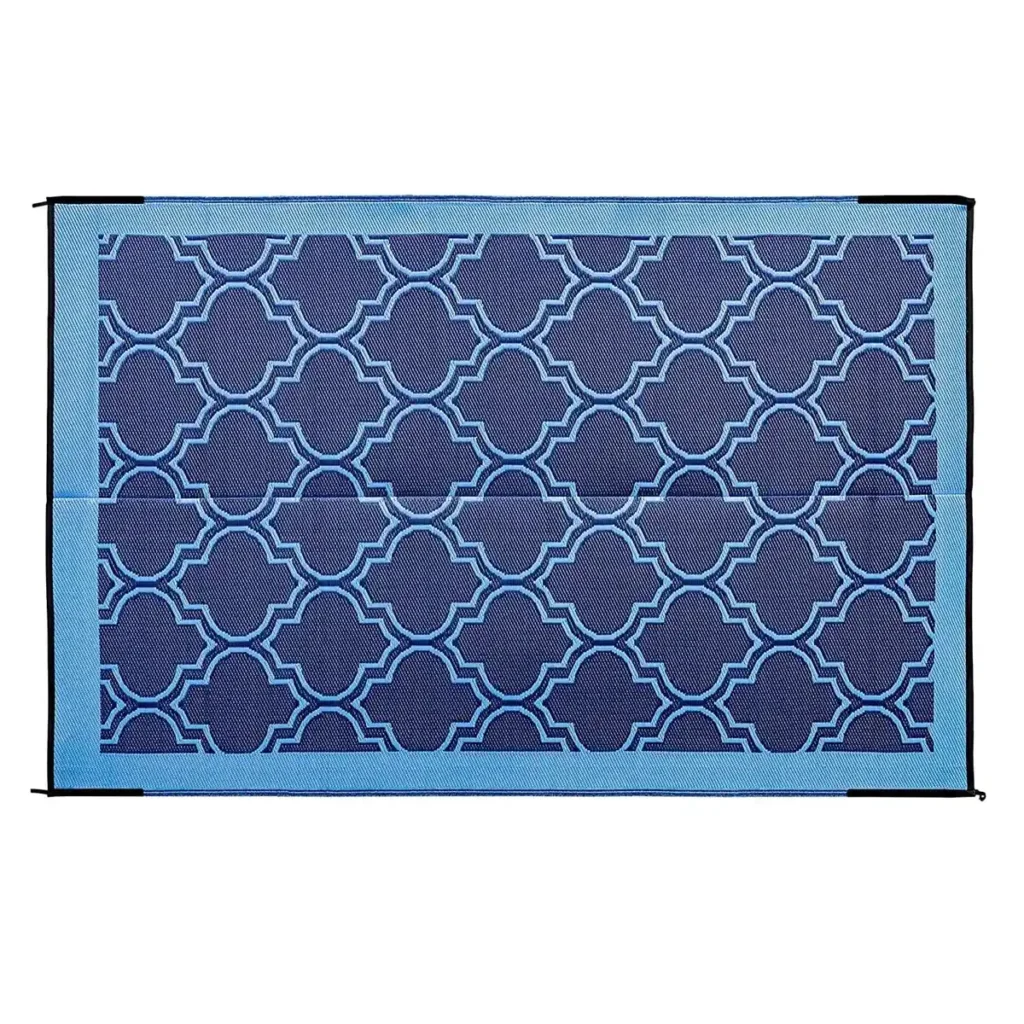
Function usually comes first at a campsite, but that doesn’t mean everything has to look purely utilitarian. A well-designed outdoor mat can make a campsite feel more organized, more inviting, and surprisingly more comfortable to spend time in.
The Camco Reversible Outdoor Patio Mat stands out because it combines practical campsite performance with attractive patterns that look more like a patio rug than a piece of camping gear. The woven polypropylene construction resists moisture, dries quickly, and handles daily foot traffic without requiring much maintenance.
UV-coated materials help reduce fading during extended sun exposure, while reinforced corners provide additional durability when the mat is staked down. The result is a rug that looks good at camp without sacrificing the features most campers actually need.
Why We Chose It
The Camco earned this award because it delivers a rare combination of visual appeal and everyday practicality. Many outdoor rugs focus entirely on function, while this one manages to improve the appearance of a campsite without creating extra work.
Quick Specs
- Material: Woven polypropylene
- Waterproof: Yes
- UV Resistant: Yes
- Reversible Design: Yes
- Foldable: Yes
- Best Location: Tent entrances, awnings, and outdoor living areas
What We Like
✅ Attractive reversible patterns
✅ UV-coated to help prevent fading
✅ Lightweight and easy to transport
✅ Mold and mildew resistant
✅ Folds into a compact package for storage
What Could Be Better
❌ Needs to be staked down in windy conditions
❌ Weave can snag on sharp rocks or dog claws
Why It Earned This Award
Few camping rugs contribute as much to campsite appearance as the Camco. The design helps define outdoor living spaces while still providing the dirt control, weather resistance, and easy maintenance expected from a quality camping mat.
For campers who enjoy creating a comfortable and well-organized campsite, it offers a nice balance of style and functionality.
Final Verdict
The Camco Reversible Outdoor Patio Mat is an excellent choice for campers who want their campsite to feel a little more polished without giving up durability or convenience. It performs well, packs easily, and adds a more finished look to any camping setup.
Availability and pricing may change over time.
5. Sorbus Artificial Grass Turf Rug
Award: Best for Bare Feet / Softest Feel
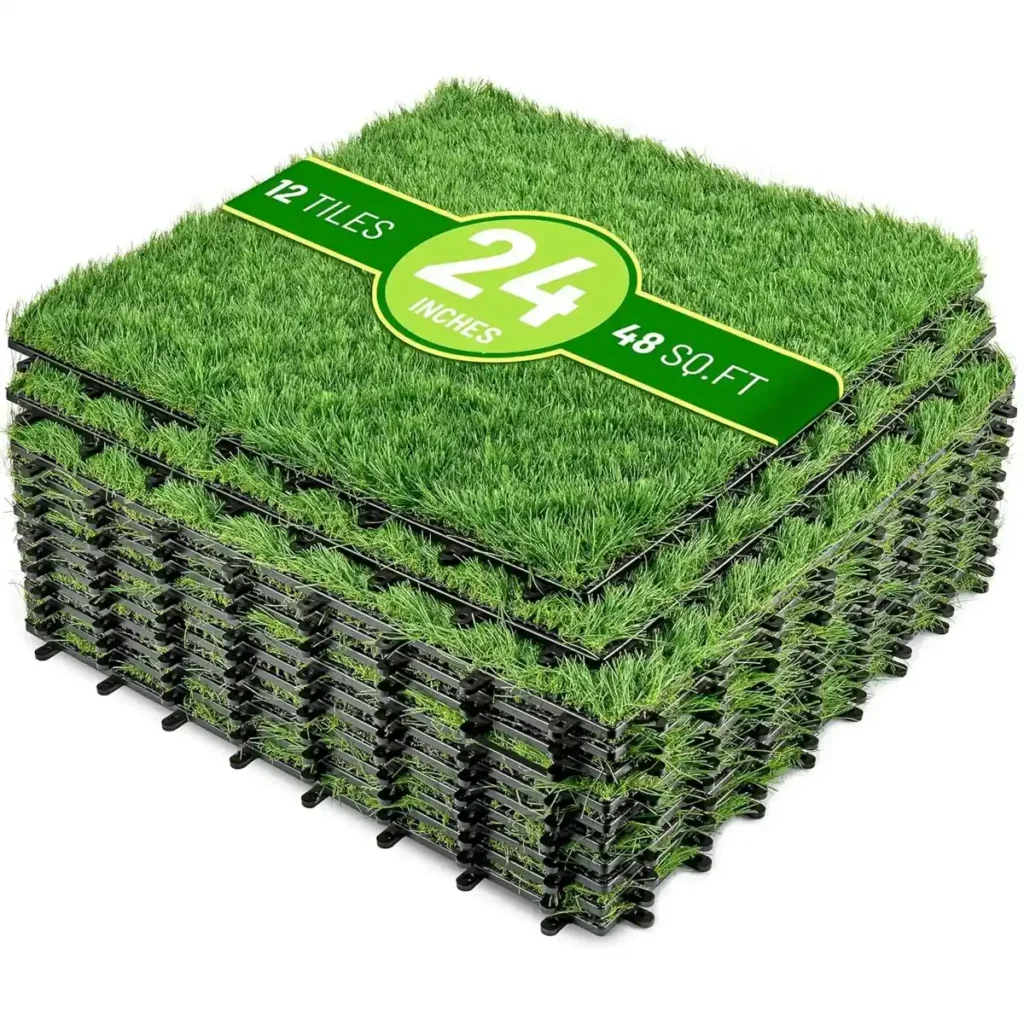
The first step out of a tent on a cool morning is not always pleasant. Gravel, packed dirt, damp grass, and scattered debris can quickly remind you that you’re sleeping outdoors. The Sorbus Artificial Grass Turf Rug creates a much softer transition between your tent and the rest of the campsite.
Unlike traditional woven camping mats, this rug mimics the feel of natural grass. The synthetic turf surface provides a comfortable place to stand while putting on shoes, organizing gear, or simply enjoying a morning coffee around camp. It also creates a dedicated area where dirt can be brushed off before entering the tent.
A non-slip rubber backing helps keep the rug in place, while the artificial grass fibers are durable enough to handle regular foot traffic throughout a camping trip.
Why We Chose It
The Sorbus earned this award because it delivers the most comfortable barefoot experience of any rug in this guide. While other mats focus primarily on dirt control or weather resistance, this one prioritizes how the campsite feels underfoot.
Quick Specs
- Material: Synthetic artificial turf
- Backing: Non-slip rubber
- Waterproof: Yes
- Easy to Clean: Yes
- Best Location: Tent entrance or campsite living area
- Primary Benefit: Barefoot comfort
What We Like
✅ Soft grass-like feel underfoot
✅ Comfortable for barefoot use
✅ Helps remove dirt from shoes before entering the tent
✅ Non-slip backing improves stability
✅ Easy to rinse clean after a trip
What Could Be Better
❌ Heavier than woven polypropylene mats
❌ Takes longer to dry after heavy rain
Why It Earned This Award
Comfort is often overlooked when choosing a camping rug. The Sorbus takes a different approach by focusing on the experience of using the campsite every day. The soft turf surface feels more welcoming than plastic mats and creates a dedicated area where campers can comfortably stand, sit, or remove footwear.
For campers who value comfort and campsite atmosphere, it offers something that traditional outdoor mats simply don’t provide.
Final Verdict
The Sorbus Artificial Grass Turf Rug is the closest thing to bringing a small front lawn to your campsite. It may not be the lightest option in this guide, but its soft feel, attractive appearance, and barefoot-friendly surface make it a great upgrade for campers who prioritize comfort.
Availability and pricing may change over time.
Buying Guide: How to Choose the Best Camping Rugs for Tents
The best camping rug for tents depends less on price and more on how you plan to use it. A rug that performs perfectly at a beach campsite may be a poor choice inside a family tent, while a comfortable interior rug may not survive muddy conditions outside. Before buying, consider the factors below.
1. Indoor vs. Outdoor Use
Start by deciding where the rug will spend most of its time.
For tent entrances, awnings, and outdoor living areas, woven polypropylene mats are usually the most practical option. They allow dirt, sand, and water to pass through the surface and dry quickly after rain.
For tent interiors, comfort often becomes the priority. Waterproof blankets and padded floor coverings create a warmer, softer surface for changing clothes, relaxing, and sleeping.
2. Material Matters
Different materials serve different purposes.
Woven Polypropylene
Found in products like the RVguard and Camco, polypropylene mats are lightweight, waterproof, and easy to clean. They work particularly well as entryway rugs.
Sand-Free Mesh
Specialized materials such as the CGEAR’s patented mesh are designed to allow sand and dust to fall through the surface. These rugs are especially useful for beach and desert camping.
Waterproof Fabric
Fabric-based rugs and blankets provide more comfort than traditional outdoor mats while still helping protect against moisture from below.
Artificial Turf
Synthetic grass rugs focus on comfort and campsite appearance. They create a softer surface underfoot and help remove dirt from footwear before entering the tent.
3. Choose the Right Size
A rug should complement your campsite, not overwhelm it.
For most family camping setups, a medium-sized mat placed directly outside the tent entrance provides enough space for shoes, gear, and foot traffic. Larger mats work well under awnings and seating areas but require additional storage space during transport.
If you’re camping with a larger group, How to Choose Camping Tent Size (Avoid Cramped Nights & Choose the Right Fit) can help ensure your shelter and campsite layout work together efficiently.
4. Look for Fast-Drying Materials
Camping rugs regularly encounter morning dew, muddy shoes, spills, and unexpected rain.
Materials that shed water and dry quickly are generally easier to live with than thick fabrics that remain damp for hours. Fast-drying rugs are also easier to pack when breaking camp after wet weather.
5. Consider Comfort and Insulation
Not every rug is designed solely for keeping dirt outside.
When camping on rocky ground, gravel pads, or colder surfaces, additional cushioning can noticeably improve comfort. Families with children often appreciate rugs that provide a softer area for sitting, playing, and moving around inside the tent.
If cold ground is a regular challenge, What is Camping R-Value? The Ultimate Guide to Sleeping Warm (2026) explains how insulation affects overall camping comfort.
6. Prioritize Easy Cleaning
Camping gear eventually gets dirty. The easier a rug is to clean, the more likely you’ll continue using it trip after trip.
The most convenient options can be shaken out, swept off, or rinsed with a hose in minutes. Rugs that trap moisture and debris typically require more maintenance and take longer to dry before storage.
Common Camping Rug Mistakes

A camping rug can make a campsite cleaner and more comfortable, but choosing the wrong type often leads to frustration. These are the mistakes I see campers make most often.
Using a Household Rug at the Campsite
Indoor rugs are designed for homes, not campsites. They absorb moisture, collect dirt, and can become surprisingly heavy after rain. Many also dry slowly, increasing the risk of mildew and unpleasant odors during storage.
Choosing Comfort When You Need Dirt Control
A soft rug may feel great underfoot, but it won’t necessarily keep dirt outside the tent. For entryways, woven outdoor mats generally perform better because they allow sand and debris to fall through the surface instead of collecting on top.
Buying a Rug That’s Too Small
A tiny doormat rarely provides enough space for multiple campers to remove shoes, organize gear, or step inside without tracking dirt into the tent. A properly sized rug creates a dedicated transition area between your campsite and sleeping space.
Ignoring Weather Conditions
Not every camping rug handles wet conditions equally well. Materials that absorb water can remain damp long after rain has stopped, while quick-drying outdoor mats are often ready to use again within minutes.
For campers who frequently encounter wet weather, How to Dry Camping Gear Fast After Rain (Without Mold or Smells) explains additional strategies for keeping equipment dry and ready for the next trip.
Focusing Only on Appearance
A stylish rug can improve the look of a campsite, but performance should always come first. Durability, drainage, drying speed, and ease of cleaning usually have a much bigger impact on long-term satisfaction than color or pattern alone.
Forgetting About Storage and Transport
Some rugs perform well at camp but take up far more vehicle space than expected. Before buying, consider how the rug folds, rolls, and fits alongside the rest of your camping gear. A slightly smaller rug that packs efficiently is often the better choice for frequent campers.
Frequently Asked Questions About Camping Rugs for Tents
Should you put a rug inside a tent?
Yes, a rug can make a tent significantly more comfortable. Interior rugs help create a softer surface underfoot, add a layer of insulation from cold ground, and reduce wear on the tent floor. They’re especially useful for family camping and longer trips where comfort becomes more important.
What is the best material for a camping rug?
The best material depends on how you plan to use it. Woven polypropylene is one of the most popular choices for tent entrances because it’s lightweight, waterproof, and easy to clean. For interior comfort, waterproof blankets and padded floor coverings are often a better option.
Do camping rugs help keep tents clean?
Absolutely. A camping rug creates a transition area where dirt, sand, grass, and debris can be removed before entering the tent. While no rug will eliminate dirt completely, a good entryway mat can dramatically reduce the amount tracked inside.
Can camping rugs stay outside in the rain?
Many outdoor camping rugs are specifically designed for wet conditions. Polypropylene mats and sand-free mesh rugs typically allow water to drain through and dry quickly. However, fabric-based rugs may take longer to dry and should be stored properly after extended exposure to rain.
What size camping rug do I need?
For most campers, a rug large enough to cover the main tent entrance area is sufficient. Larger rugs work well under awnings and outdoor living spaces, while smaller mats are easier to transport and store. The ideal size depends on the number of campers and the available campsite space.
Are camping rugs worth it?
For many campers, yes. A quality camping rug helps keep tents cleaner, creates a more comfortable living area, and improves overall campsite organization. It’s one of those upgrades that often seems optional until you’ve camped with one.
What's the difference between a camping rug and a tent footprint?
A camping rug is designed for comfort, cleanliness, and campsite organization, while a tent footprint is designed to protect the bottom of the tent from abrasion and ground moisture. They serve different purposes and are often used together rather than as substitutes.
For a deeper explanation, What Is a Tent Footprint? Ground Tarps Explained & What Actually Protects Your Tent Floor (2026) breaks down how footprints and ground protection systems work.
Are artificial grass camping rugs good for camping?
Artificial grass rugs can be an excellent choice for campers who prioritize comfort and campsite appearance. They provide a soft surface underfoot and create a pleasant entry area, though they are usually heavier and slower to dry than woven outdoor mats.
Quick Decision Guide
Still not sure which camping rug is right for your setup? Use this quick guide to narrow down the best option based on how and where you camp.
Choose the RVguard Reversible Patio Mat if you want the best all-around solution for keeping dirt, sand, and moisture outside your tent.
Choose the CGEAR The Original Sand-Free Outdoor Mat if you frequently camp on beaches, dunes, riverbanks, or other sandy environments.
Choose the TEPsmigo Extra Large Waterproof Blanket if comfort, insulation, and a softer tent floor are more important than dirt control.
Choose the Camco Reversible Outdoor Patio Mat if you want a camping rug that combines practical performance with attractive campsite styling.
Choose the Sorbus Artificial Grass Turf Rug if you prefer a soft, barefoot-friendly surface outside your tent.
My Recommendation
For most campers, the RVguard Reversible Patio Mat offers the best balance of cleanliness, durability, portability, and value. It solves the problem that camping rugs are designed to address in the first place—keeping dirt and debris from following you into the tent.
Campers who regularly deal with sand should strongly consider the CGEAR, while families focused on comfort may get more value from the TEPsmigo.
The right choice ultimately comes down to whether your priority is cleanliness, comfort, appearance, or specialized performance.
Final Verdict
The best camping rug for tents depends on how you camp and where you plan to use it.
If you want the most versatile all-around option, the RVguard Reversible Patio Mat remains the best choice for most campers. Its combination of dirt control, weather resistance, and easy maintenance makes it an excellent fit for a wide range of camping styles.
For beach camping and sandy environments, the CGEAR The Original Sand-Free Outdoor Mat stands in a category of its own thanks to its patented sand-filtering design.
Campers looking to improve comfort inside the tent should consider the ProsourceFit EVA Foam Puzzle Mat, which adds both cushioning and insulation between you and the ground.
If campsite appearance is a priority, the Camco Reversible Outdoor Patio Mat offers one of the best combinations of style and functionality in this guide.
For campers who value barefoot comfort above all else, the Sorbus Artificial Grass Turf Rug provides a softer and more inviting surface around the tent entrance.
No matter which option you choose, a quality camping rug can dramatically reduce the amount of dirt entering your tent while creating a cleaner, more comfortable campsite. It’s one of the simplest upgrades you can make, yet it’s often one of the first improvements campers notice during a trip.
About the Author
Anthony is a lifelong camping enthusiast who enjoys testing gear, improving campsite organization, and finding practical ways to make outdoor adventures more comfortable. Over the years, he has camped in everything from developed family campgrounds to remote backcountry sites, gaining firsthand experience with the gear that makes life easier outdoors.
His reviews focus on real-world usability rather than marketing claims. Every recommendation is selected based on factors that matter to campers, including durability, ease of use, comfort, value, and long-term reliability.
Through Camp Comfort Guide, Anthony shares practical camping advice, gear reviews, and outdoor tips designed to help campers build cleaner, more comfortable, and better-organized campsites.