
Camping temperature guide advice often sounds simple — until you actually try to stay warm at night and realize your gear doesn’t match the conditions.
Hi, I’m Anthony.
After years of camping in different climates — from mild summer nights to unexpectedly cold shoulder-season trips — I’ve learned one thing the hard way: temperature numbers don’t tell the full story.
You can follow every “recommended rating” and still end up cold, uncomfortable, and unable to sleep.
And here’s what most guides don’t explain:
Camping comfort isn’t just about temperature.
It’s about how your entire setup works together — sleeping bag, insulation, moisture, and exposure.
I’ve had nights where 40°F felt freezing due to damp air and poor ground insulation — and others where near-freezing temperatures felt completely manageable with the right gear.
This guide is built to give you a practical system — not just temperature charts — so you can choose the right gear and actually stay warm in real conditions.
As an Amazon Associate, we earn from qualifying purchases.
Table of Contents
Camping Temperature Guide: What Gear You Need (Quick Answer)
The right camping gear depends on temperature — but also on insulation, moisture, and ground contact. Here’s what you actually need:
This camping temperature guide simplifies those choices by breaking down what gear actually works in real conditions.
Here’s a simple breakdown:
- 50°F / 10°C and above → Light sleeping bag or blanket, basic pad
- 40–50°F / 4–10°C → 3-season sleeping bag, insulated sleeping pad
- 30–40°F / -1–4°C → Warm sleeping bag (rated ~20°F), high R-value pad
- Below 30°F / -1°C → Winter sleeping bag, insulated pad + extra layers
👉 The biggest mistake: relying only on sleeping bag ratings.
Ground insulation (R-value), layering, and moisture control matter just as much.
For example, even a warm sleeping bag won’t help if you lose heat to the ground — which is why understanding insulation is critical (see What Is Camping R-Value? The Ultimate Guide to Sleeping Warm).
Why Temperature Alone Is Misleading
Most campers assume that temperature is the main factor in staying warm.
It’s not.
In real conditions, how cold you feel depends on a combination of factors — and ignoring them is the reason most people sleep poorly outdoors.
Here’s what actually matters:
- Ground heat loss → your body loses more heat to the ground than to the air
- Moisture & humidity → damp air makes temperatures feel significantly colder
- Wind exposure → even light wind can cut through insulation
- Sleeping setup → poor gear combinations reduce overall warmth
👉 This is why many campers feel cold even when using a “properly rated” sleeping bag.
The biggest hidden factor is ground insulation.
And in wet conditions, the problem gets worse.
Condensation inside your tent can make your gear damp, reducing insulation and making the air feel colder (see How to Stop Condensation in a Tent: 7 Tips to Stay Dry).
Real Cold Camping Failures (Why People Still Freeze)
Most campers don’t get cold because they chose the wrong temperature rating.
They get cold because their setup fails in real conditions.
Here’s what actually goes wrong:
You trust the sleeping bag rating too much
Most ratings are based on survival — not comfort.
Your sleeping pad isn’t warm enough
Heat loss to the ground happens all night, even if your sleeping bag is warm.
Moisture builds up without you noticing
Damp air or condensation reduces insulation quickly.
Your layering works against you
Too many clothes compress insulation and trap moisture.
Conditions change overnight
Temperature drops, humidity rises, wind increases.
👉 The key insight:
Cold camping problems are usually system failures — not gear failures.
How to Match Camping Gear to Temperature (The System)
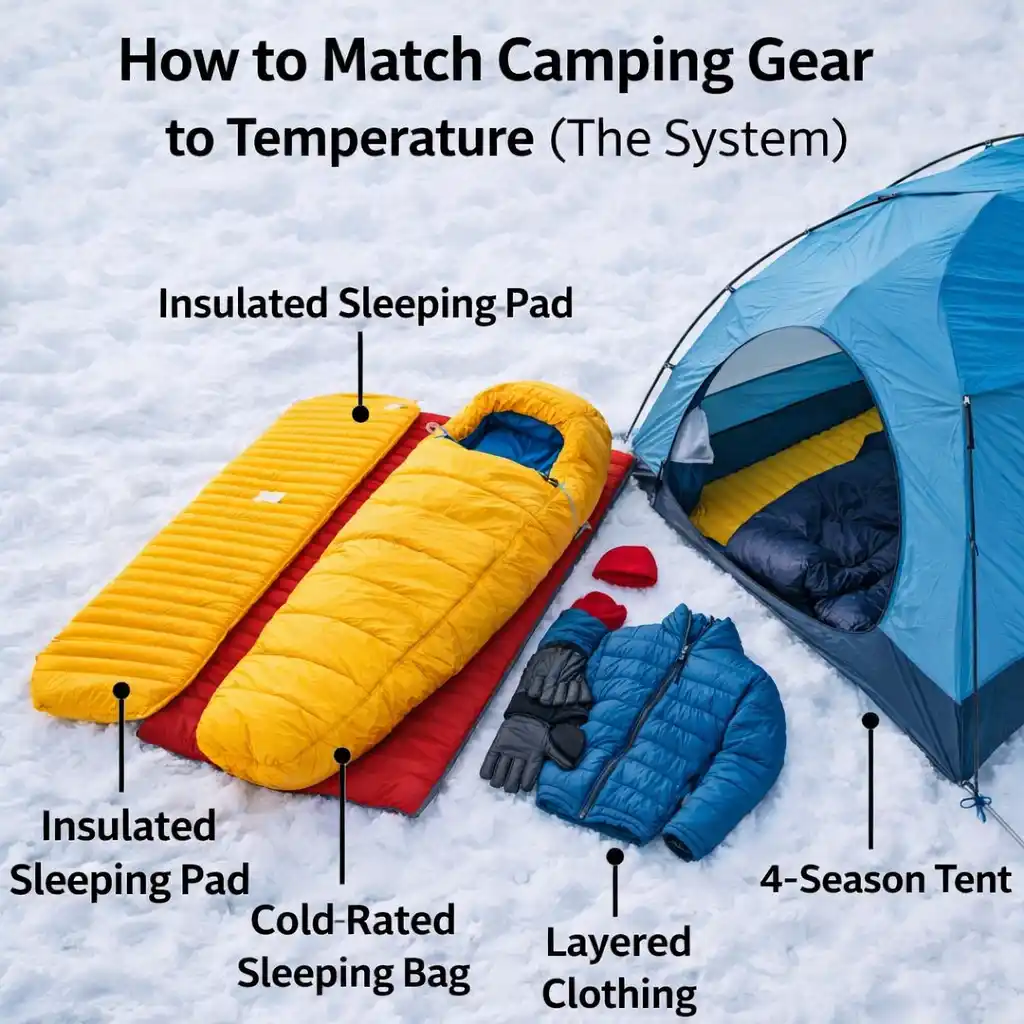
Choosing camping gear isn’t about picking a single item based on temperature.
It’s about building a complete sleep system where each part works together to retain heat.
Here’s how to think about it:
1. Start with your sleeping bag (but don’t rely on it)
Your sleeping bag sets the baseline — but temperature ratings are often misleading.
Most ratings reflect survival, not comfort.
👉 For real comfort, choose a bag rated 10–15°F lower than expected temperatures.
If you’re camping in colder conditions, a proper winter bag matters (see 5 Best Winter Sleeping Bags for Extreme Cold in 2026).
2. Prioritize ground insulation (this is where most people fail)
Heat loss to the ground is the #1 reason campers get cold.
A sleeping bag alone cannot protect you from this.
In real conditions, improving ground insulation made a bigger difference than switching to a warmer sleeping bag.
For colder conditions, using an insulated pad designed for low temperatures makes a major difference (see 5 Best Insulated Sleeping Pads for Winter Camping in 2026).
3. Add layers strategically (not randomly)
Wearing more clothing doesn’t always help.
What matters is layering correctly:
- moisture-wicking base layer
- insulating mid-layer
- minimal compression inside the sleeping bag
Too many layers can actually reduce insulation efficiency.
4. Control moisture and airflow
Moisture is one of the most overlooked factors.
Even slight dampness can make your setup feel much colder.
- ventilate your tent properly
- avoid wet clothing inside your sleeping system
- manage condensation
5. Upgrade your setup, not just one item
Comfort comes from the combination of gear, not a single upgrade.
For example:
- adding insulation under you → bigger impact than a warmer sleeping bag
- improving your sleep surface → better warmth retention and comfort
👉 The key takeaway:
Temperature doesn’t determine comfort — your system does.
👉 Quick takeaway:
- your sleeping bag sets the baseline
- ground insulation matters most
- layering supports, not replaces warmth
A proper cold weather camping gear setup is essential for staying warm in lower temperatur
👉 Pro insight from experience:
The biggest improvements in warmth don’t come from upgrading your sleeping bag — they come from fixing ground insulation and moisture control.
Most campers underestimate how much heat they lose to the ground and how quickly moisture reduces insulation.
Camping Temperature Chart (What It Actually Feels Like)
Temperature charts are helpful — but only if you understand how they translate to real camping conditions.
Here’s a more realistic breakdown:
- 50°F / 10°C and above
Feels mild, but can get cool at night
👉 Light sleeping bag or camping blanket, basic sleeping pad - 40–50°F / 4–10°C
Comfortable for most campers, but can feel chilly before sunrise
👉 3-season sleeping bag + insulated sleeping pad - 30–40°F / -1–4°C
Feels cold, especially with humidity or wind
👉 Warm sleeping bag (rated ~20°F) + high R-value pad - 20–30°F / -6 to -1°C
Cold enough to affect sleep without proper gear
👉 Winter sleeping bag + insulated pad + layered clothing - Below 20°F / -6°C
Serious cold — requires a full winter setup
👉 Cold-rated sleeping bag + high R-value insulation + proper layering
👉 But here’s the part most charts ignore:
“Feels like” temperature can be very different from actual temperature.
For example:
- humidity makes cold air feel colder
- wind removes heat from your body faster
- ground contact continuously drains warmth
That’s why 40°F can feel comfortable one night — and freezing the next.
In wet conditions, the problem becomes even worse, especially if your gear starts losing insulation due to moisture (see 10 Tips for Camping in the Rain: How to Stay Dry & Happy).
👉 The takeaway:
Temperature charts are a starting point — not a guarantee of comfort.
👉 Real example:
At 40°F, I’ve had nights that felt freezing due to damp ground and poor insulation — and others that felt comfortable with the right setup.
Why Temperature Feels Different at Night
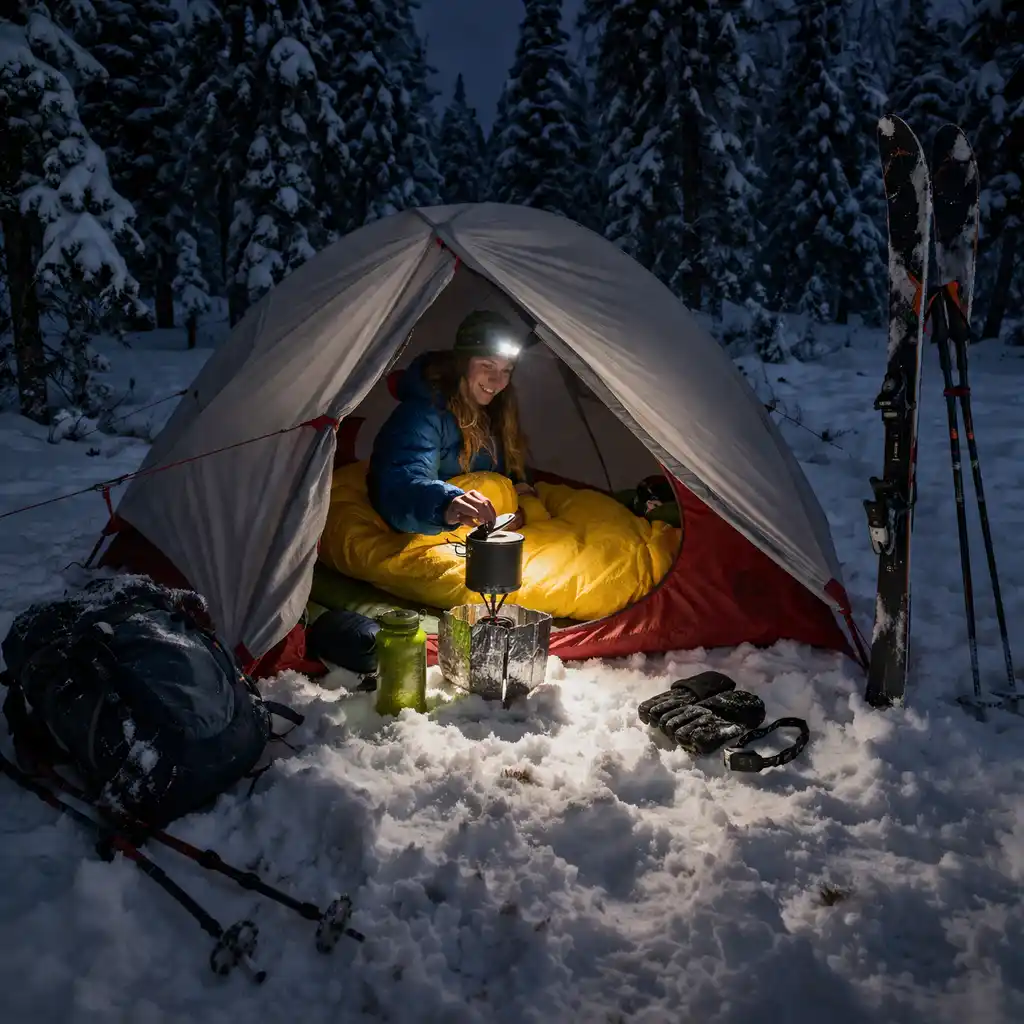
The temperature you see in the forecast is not the temperature you actually feel while camping.
Here’s why:
Humidity traps cold
Damp air pulls heat away from your body faster, making moderate temperatures feel much colder.
Wind removes body heat continuously
Even light wind can reduce perceived temperature significantly.
Ground contact drains heat all night
Unlike air, the ground continuously absorbs your body heat.
Your body slows down at night
Your metabolism drops while sleeping, reducing heat production.
👉 This is why:
40°F can feel comfortable — or freezing — depending on conditions.
👉 The key takeaway:
Always plan for “feels like” temperature, not just the forecast.
How to Choose the Right Gear for Your Trip
If you’re unsure what gear you actually need, use this simple decision framework:
👉 Step 1: Check the lowest expected temperature
Always plan for the coldest possible conditions — not the average.
👉 Step 2: Adjust for humidity and wind
If conditions are wet or windy, treat it as 5–10°F colder.
👉 Step 3: Choose your sleeping bag
Pick a bag rated at least 10–15°F lower than expected temperatures.
👉 Step 4: Match your sleeping pad (R-value matters)
Cold ground requires higher insulation — this is often more important than the bag.
👉 Step 5: Plan your clothing system
Use layers that manage moisture, not just warmth.
👉 The key takeaway:
Choosing gear isn’t about guessing — it’s about adjusting for real conditions.
Camping Gear Decision Matrix (Quick Reference)
Use this simplified matrix to match your gear to real conditions:
👉 Dry + no wind
— Use standard temperature ratings
👉 Humid or damp conditions
— Treat temperature as 5–10°F colder
👉 Wind exposure
— Add another 5–10°F buffer
👉 Cold ground (no insulation)
— Increase sleeping pad insulation (R-value)
👉 Beginner campers
— Always choose gear rated warmer than needed
👉 The key takeaway:
Conditions change your effective temperature — your gear should adapt to that.
Common Mistakes That Make You Cold While Camping
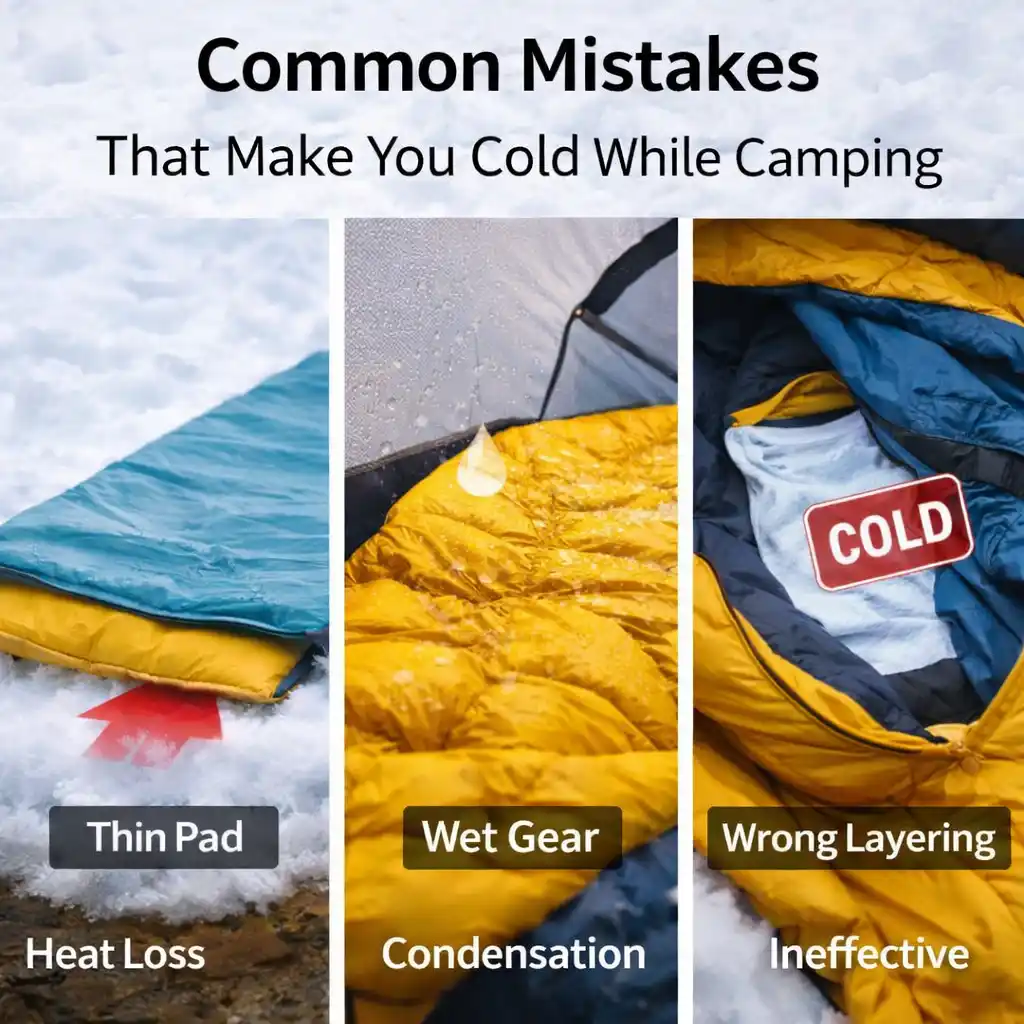
Even with the “right” temperature gear, many campers still end up cold.
Why?
Because small mistakes can completely break your insulation system.
Here are the most common ones:
Relying only on sleeping bag ratings
Sleeping bag ratings are often misunderstood.
Most are based on survival limits — not comfort.
👉 That’s why a “20°F bag” can still feel cold at 30–40°F.
Ignoring ground insulation
This is the #1 mistake.
Without proper insulation under you, your body loses heat all night — no matter how warm your sleeping bag is.
A proper insulated setup (see 5 Best Sleeping Pads for Cold Ground in 2026) makes a bigger difference than most people expect.
Wearing too many clothes inside your sleeping bag
More layers ≠ more warmth.
Too many layers can compress insulation and reduce heat retention.
👉 Smart layering works better than adding bulk.
Letting moisture build up
Moisture reduces insulation fast.
- damp clothing
- condensation inside the tent
- wet gear
All of these make you feel significantly colder.
Understanding why this happens is key (see Why Tents Condense at Night (And Why Venting Isn’t Enough)).
Poor sleeping setup
Even small details matter:
- uneven ground
- thin padding
- bad positioning
Upgrading your sleep system (see 5 Best Camping Mattresses & Sleeping Mats for Car Camping in 2026) can dramatically improve warmth and comfort.
👉 The key takeaway:
Most people don’t get cold because of temperature — they get cold because their setup fails.
Warm vs Cold Camping Setup (What Actually Makes the Difference)
Here’s the difference between a warm and a cold night outdoors:
Cold setup:
- sleeping bag only
- thin or no ground insulation
- damp clothing
- poor airflow
- no layering system
Warm setup:
- sleeping bag matched to conditions
- insulated sleeping pad (high R-value)
- dry clothing
- controlled ventilation
- proper layering
👉 The key insight:
Comfort doesn’t come from one item — it comes from how everything works together.
What to Wear Camping in Different Temperatures
Clothing plays a major role in how warm you feel — but it only works when combined with the rest of your sleep system.
Here’s how to dress based on temperature:
50°F / 10°C and above
Comfortable conditions for most campers.
👉 What to wear:
- light base layer (t-shirt or long sleeve)
- optional hoodie or light jacket
- breathable socks
40–50°F / 4–10°C
Cool evenings and cold early mornings.
👉 What to wear:
- moisture-wicking base layer
- light insulating layer (fleece or similar)
- warm socks
30–40°F / -1–4°C
Cold enough to affect sleep and comfort.
👉 What to wear:
- thermal base layer (top + bottom)
- insulating mid-layer
- warm hat (heat loss from head matters)
Below 30°F / -1°C
Serious cold — layering becomes essential.
👉 What to wear:
- full thermal base layer
- thicker insulating layer
- hat + gloves
- dry socks reserved for sleeping
👉 But here’s what most guides get wrong:
Wearing more clothes doesn’t always make you warmer.
If your clothing is too tight or bulky, it can reduce insulation efficiency inside your sleeping bag.
Moisture also plays a big role — damp clothes will make you feel colder fast, especially in enclosed spaces.
👉 The key takeaway:
Clothing supports warmth — but it cannot fix a poor sleep setup.
Small Changes That Make a Big Difference in Cold
Even small adjustments can dramatically improve how warm you feel:
Eat before sleep
Your body generates heat during digestion.
Use a hat while sleeping
Significant heat is lost through your head.
Keep tomorrow’s clothes inside your sleeping bag
Prevents cold shock in the morning.
Avoid breathing inside your sleeping bag
Moisture buildup reduces insulation.
Use a warmer water bottle inside your bag
Adds heat safely and effectively.
👉 These small changes often matter more than upgrading expensive gear.
When Is It Too Cold to Camp?
Camping becomes too cold for most people below 30°F (-1°C), and potentially unsafe below 20°F (-6°C) without proper winter gear.
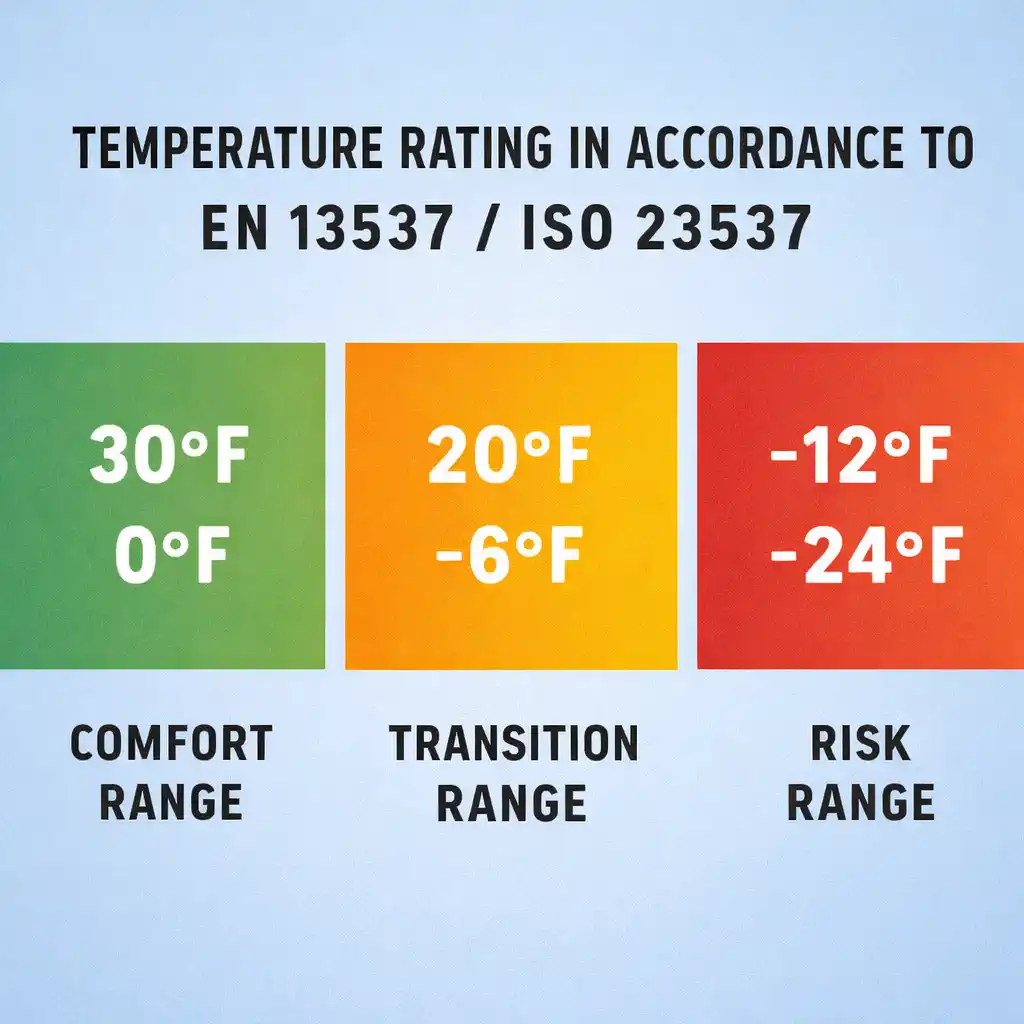
There’s no exact temperature where camping becomes impossible — but there is a point where it becomes unsafe or unrealistic without proper gear.
For most campers:
- Above 40°F / 4°C → comfortable with basic gear
- 30–40°F / -1–4°C → manageable with a proper sleep system
- 20–30°F / -6 to -1°C → requires cold-rated gear and experience
- Below 20°F / -6°C → not recommended without winter equipment
👉 But temperature alone doesn’t define safety.
According to the National Weather Service, cold exposure can become dangerous much faster than most people expect, especially when wind and moisture are involved.
Conditions matter more than numbers:
- wind exposure can dramatically increase heat loss
- moisture makes cold more dangerous
- fatigue and poor sleep reduce your ability to stay warm
👉 Here’s the reality:
Most campers don’t struggle because it’s too cold — they struggle because they’re not prepared.
When you should NOT camp in cold conditions
Avoid camping if:
- your gear isn’t rated for the conditions
- you can’t stay dry overnight
- you don’t understand your insulation setup
- you’re relying on “just extra layers” instead of proper gear
Cold-weather camping requires more than just warmer equipment.
You need a reliable system that manages heat, moisture, and insulation together.
If you’re unsure about your setup, it’s better to stay within safer temperature ranges and gradually build experience.
👉 The key takeaway:
It’s not about how cold it is — it’s about whether your setup can handle it.
According to the National Weather Service, cold exposure risk increases significantly with wind and moisture, even at moderate temperatures.
Quick Summary (If You Remember One Thing)
If you want to stay warm while camping:
- temperature ratings are not enough
- ground insulation matters most
- moisture reduces warmth fast
- your setup works as a system
👉 Focus on your sleep system, not just individual gear.
Camping Temperature FAQ (Real Questions People Ask)
❓ What temperature is too cold for camping without special gear?
For most people, camping becomes uncomfortable below 30°F (-1°C) and risky below 20°F (-6°C) without proper cold-weather gear.
The problem isn’t just the temperature — it’s your ability to stay warm, dry, and insulated from the ground.
If you don’t have a full sleep system (warm sleeping bag + insulated pad + proper layers), even mild cold can feel severe.
❓ Why do I feel cold at night even when the temperature isn’t that low?
Because air temperature doesn’t reflect how cold it actually feels.
You lose heat through:
- the ground beneath you
- moisture in the air
- condensation inside your tent
- poor insulation
That’s why 40°F can feel comfortable one night and freezing the next.
❓ How do I know what temperature sleeping bag I really need?
Ignore the advertised rating as your main reference.
Most sleeping bags are rated for survival, not comfort.
A good rule:
👉 choose a sleeping bag rated 10–15°F lower than the coldest temperature you expect
This gives you a realistic comfort margin.
❓ Is 40°F cold for camping?
It depends on your setup.
40°F is considered cool but manageable, but it can feel cold if:
- your sleeping pad isn’t insulated
- your gear is damp
- you’re exposed to wind
With the right setup, it’s comfortable. Without it, it can feel much colder.
❓ How much warmer is it inside a tent compared to outside?
Not much.
A tent usually adds only a few degrees at most, and sometimes none at all.
Its main purpose is to:
- block wind
- reduce moisture exposure
- create a controlled environment
It does not generate heat.
❓ Can you camp in freezing temperatures safely?
Yes — but only with the right preparation.
Safe cold-weather camping requires:
- a sleeping bag rated for freezing conditions
- proper insulation from the ground
- dry clothing and moisture control
Without these, even slightly below-freezing temperatures can become uncomfortable or unsafe.
❓ Why is ground insulation more important than a sleeping bag?
Because your body loses heat to the ground continuously through direct contact.
Even the warmest sleeping bag won’t protect you if there’s no insulation underneath.
This is one of the most common reasons people feel cold at night.
❓ What should I wear to stay warm while sleeping outdoors?
Focus on dry, breathable layers, not bulk.
A good setup includes:
- a moisture-wicking base layer
- light insulation
- warm socks
Avoid overdressing — too many layers can reduce insulation efficiency and trap moisture.
❓ Why does camping feel colder than the weather forecast?
Because forecasts don’t account for real-world conditions like:
- wind exposure
- humidity
- ground temperature
- condensation
These factors can make the same temperature feel significantly colder in outdoor environments.
Final Verdict: What Really Determines Camping Comfort
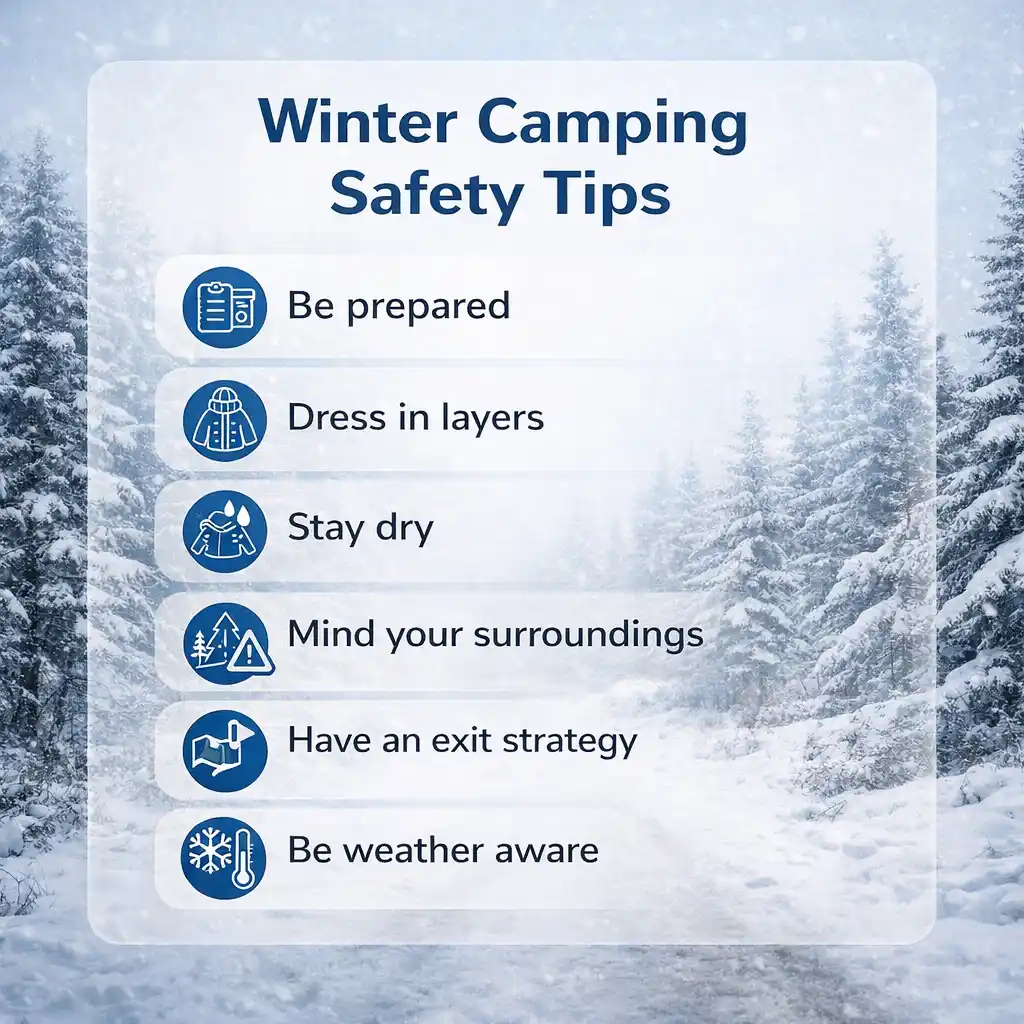
Most campers think staying warm is about choosing the right temperature rating.
It’s not.
Camping comfort is determined by your entire setup — not a single piece of gear.
You can have a high-rated sleeping bag and still feel cold if:
- you lose heat to the ground
- your gear is damp
- your layering is wrong
And at the same time, you can stay comfortable in colder conditions if your system is built correctly.
👉 The key principles are simple:
- Temperature is just a starting point — not a guarantee
- Ground insulation matters more than most people think
- Moisture and airflow can make or break your comfort
- Your gear must work together as a system
If you take one thing from this guide, it’s this:
You don’t get cold because of the temperature — you get cold because your setup fails.
Camping becomes significantly more comfortable when you stop thinking in terms of single gear items and start thinking in terms of heat retention, insulation, and system balance.
👉 Start simple:
Match your gear to the conditions, test your setup, and improve it over time.
That’s how you stay warm — in any temperature.
By following a structured camping temperature guide, you can avoid common mistakes and build a setup that keeps you warm in any season.
👉 If you approach camping with a system instead of relying on temperature numbers alone, you can stay warm in a much wider range of conditions.
That’s the difference between guessing — and being prepared.