
Learning which camping dry bags actually keep gear dry becomes much more important once trips stop happening in perfect weather.
Hi, I’m Anthony.
A few years ago during a rainy lake camping trip in northern Montana, I made the mistake of trusting a cheap “waterproof” dry bag that looked durable enough in the store but failed after several hours riding in the back of a damp truck bed during steady rain.
At first, everything seemed fine.
Then I opened the bag later that night and found a sleeping layer, backup socks, and part of my camera gear sitting in pooled moisture near the bottom seam.
The frustrating part was that the bag itself never looked damaged from the outside.
That trip changed how I evaluate waterproof storage for camping.
Since then, I’ve tested dry bags during rainy campground weekends, muddy forest trips, kayaking days, coastal camping, rooftop cargo travel, and long vehicle-based road trips where gear regularly deals with moisture, dirt, sand, and rough transport conditions.
Some dry bags handled heavy rain without problems for years.
Others started leaking around seams, buckles, or roll-top closures much faster than expected once real outdoor use replaced clean product photos and marketing claims.
This guide breaks down the best camping dry bags we tested for wet-weather camping, kayaking, vehicle storage, and long-term gear protection — including which models actually stay reliable after repeated outdoor use.
As an Amazon Associate, we earn from qualifying purchases.
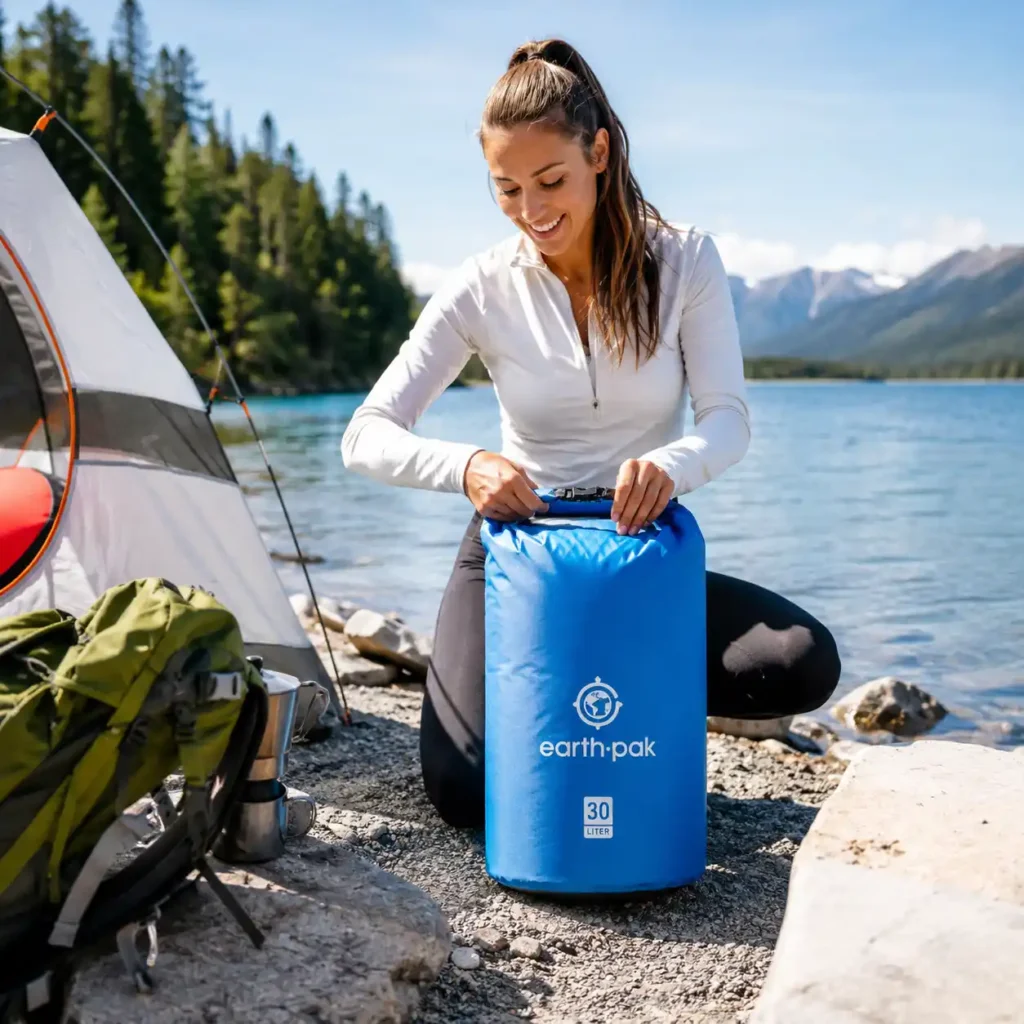
Table of Contents
How We Tested Camping Dry Bags
Most dry bags look waterproof during the first few trips.
The bigger differences usually appear later — once bags start dealing with repeated folding, muddy campsites, wet vehicle storage, abrasive sand, heavy rain exposure, and constant opening and closing during real outdoor travel.
Instead of relying on short-term backyard hose tests, we focused on how these dry bags performed during actual camping and transport conditions where waterproof storage either becomes reliable or starts failing surprisingly fast after repeated use.
Some bags stayed consistently dry for months.
Others slowly developed small leak points around seams, buckles, stiffened roll-top closures, or lower fabric stress areas after extended exposure to moisture and rough handling.
Our testing focused heavily on the problems campers usually notice only after several wet trips outdoors.
Rain Exposure & Wet-Weather Camping
We tested dry bags during:
- steady campground rain
- overnight storm exposure
- wet vehicle transport
- muddy forest campsites
- damp rooftop cargo storage
- humid coastal camping
Particular attention went toward how well bags protected:
- spare clothing
- sleeping layers
- electronics
- food storage
- camp towels
- camera gear
The strongest bags stayed dry internally even after repeated wet handling and long hours sitting in damp cargo areas.
Roll-Top Seal Reliability
Many cheaper dry bags technically resist water at first but gradually weaken around the closure system after repeated folding.
We specifically evaluated:
- buckle durability
- seam stress near roll points
- stiffness in cold weather
- seal consistency after repeated compression
- ease of opening with wet hands
Some closures became noticeably less reliable once sand, dirt, or freezing temperatures entered the equation.
That part rarely shows up in most affiliate reviews, but it matters quickly during real camping trips.
Vehicle Camping & Cargo Organization
One area most competitors barely cover is how dry bags behave during vehicle-based camping.
We tested bags inside:
- SUVs
- truck beds
- rooftop cargo boxes
- rear cargo baskets
- compact crossovers
Some models stacked cleanly and stayed organized during road travel.
Others became awkward to access, shifted constantly during driving, or wasted space because of bulky shapes and stiff fabric construction.
This became especially noticeable during rainy trips where separating wet gear from sleeping equipment mattered more than simple waterproofing alone.
Long-Term Waterproofing Performance
A dry bag that survives one rainy weekend is not automatically a reliable long-term storage system.
We paid close attention to:
- seam durability
- fabric abrasion
- UV exposure
- buckle fatigue
- waterproof coating wear
- odor retention after repeated wet use
A few bags still looked and performed almost new after extended testing.
Others started breaking down far earlier than their marketing suggested.
How We Evaluated Camping Dry Bags
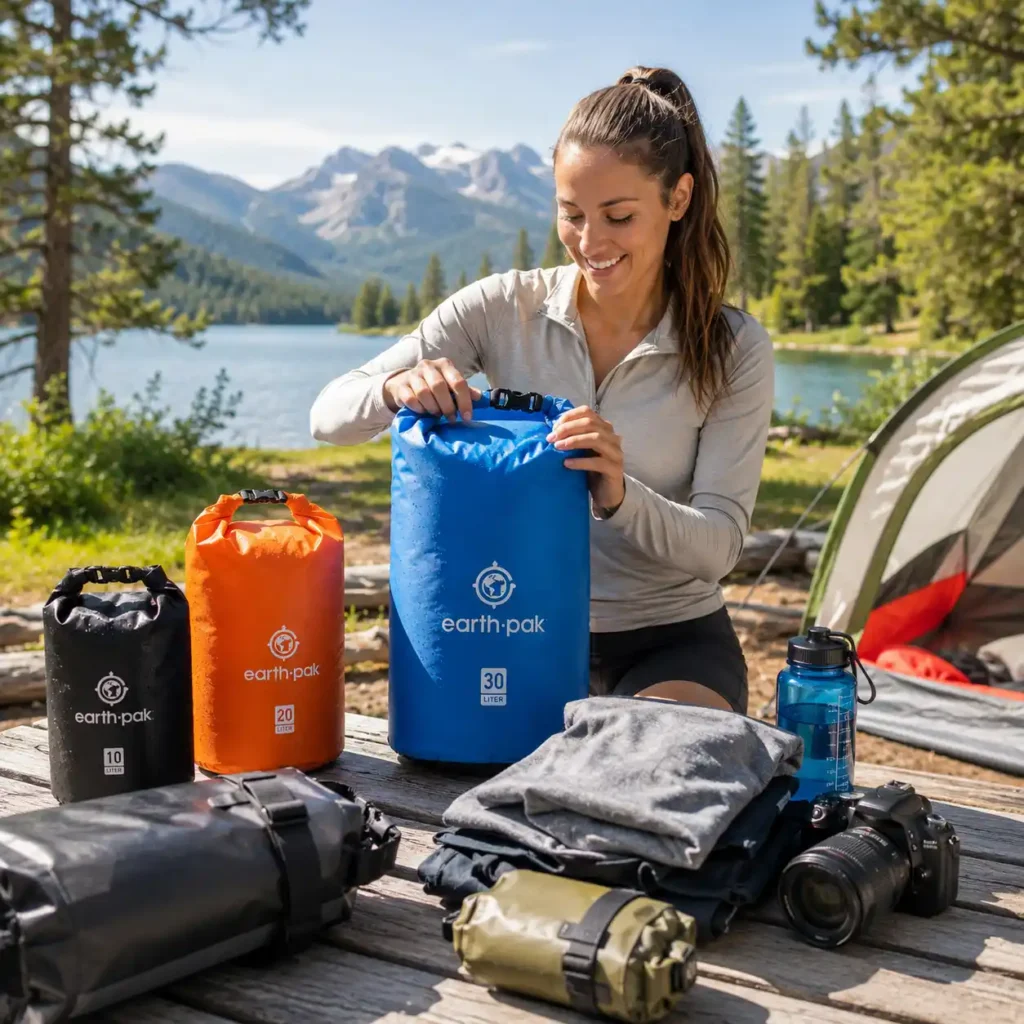
Testing waterproof gear is only part of the picture.
Some dry bags survive short rain exposure without problems but become frustrating later once they start dealing with repeated folding, cold weather, dirty campsites, crowded vehicle storage, and constant opening and closing during real trips.
Our evaluation focused heavily on the long-term usability factors most campers actually notice outdoors — not just whether water entered the bag during a quick splash test.
Waterproof Reliability
Not all “waterproof” dry bags perform equally once conditions become rough.
We paid close attention to:
- seam leakage
- roll-top seal consistency
- moisture buildup near closure points
- fabric saturation during prolonged rain
- hidden water intrusion after repeated use
Some bags stayed dry internally even after extended wet transport inside truck beds and rooftop cargo systems.
Others slowly allowed moisture inside around stress points that only appeared after repeated compression.
Ease of Use During Camping
A dry bag that becomes annoying to open, pack, or organize eventually stops being useful during real trips.
We evaluated:
- closure speed
- one-handed usability
- buckle quality
- packing efficiency
- access inside crowded vehicles
- usability with wet or cold hands
This became especially noticeable during rainy campground setups where campers constantly needed fast access to dry clothing and sleeping layers.
For campers constantly dealing with damp equipment after storms or wet campground breakdowns, our guide on “How to Dry Camping Gear Fast After Rain” explains how better moisture management prevents mildew, trapped odor, and long-term gear damage.
Durability & Abrasion Resistance
Many dry bags look nearly identical online but wear very differently outdoors.
We tested how fabrics handled:
- gravel campsites
- truck-bed movement
- rooftop cargo friction
- sand exposure
- repeated folding
- sharp camping gear edges
Thinner ultralight bags saved space but sometimes showed abrasion wear much earlier than heavier expedition-style models.
Vehicle Camping Compatibility
One area most reviews barely discuss is how dry bags function inside real vehicle camping setups.
We evaluated:
- stackability
- shape efficiency
- wet gear separation
- cargo organization
- space usage inside SUVs and rooftop boxes
For campers building more organized vehicle storage systems, our guide on “How to Pack a Car for Camping” explains how dry bags improve cargo layering, wet-gear separation, and campsite unloading efficiency during longer trips.
Some bags worked extremely well for keeping damp clothing isolated during rainy trips.
Others became bulky, awkward, or difficult to organize once several bags shared limited cargo space.
Long-Term Value
Price alone rarely predicts long-term reliability.
A cheaper dry bag that leaks after one season becomes more expensive than a higher-quality model that protects gear for years without problems.
We looked closely at:
- material longevity
- seam durability over time
- closure fatigue
- waterproof consistency after repeated use
- overall value relative to real-world durability
The strongest dry bags were not always the most expensive.
They were the ones campers could continue trusting after repeated outdoor use in bad weather, rough transport conditions, and constantly changing environments.
Why You Can Trust This Guide
CampComfortGuide is fully independent. We do not rank camping dry bags based on sponsorships, paid placements, or brand partnerships hidden behind “editor’s choice” labels.
Every bag in this guide was evaluated during real wet-weather camping conditions where waterproof storage actually matters — not during quick sink tests or staged studio photography.
Over the years, I’ve used dry bags during:
- rainy campground trips
- muddy forest camping
- kayak transport days
- rooftop cargo travel
- truck-bed storage
- coastal camping with heavy humidity
- multi-day vehicle camping
And one thing became clear fairly quickly:
A dry bag can look durable online while performing very differently once dirt, repeated compression, rough transport, and constant moisture exposure enter the picture.
Some bags stayed dependable for years.
Others began leaking slowly around seams or closure points after only a season of regular outdoor use.
That difference matters much more than most spec sheets suggest.
This guide focuses heavily on the problems campers usually discover later:
- moisture trapped near seams
- weak buckle systems
- stiff roll-top closures in cold weather
- abrasion damage during transport
- poor shape efficiency inside vehicles
- hidden leakage after repeated folding
We also tested dry bags across different camping styles because storage needs change significantly depending on the trip itself.
A lightweight backpacking setup requires something very different from:
- family campground camping
- kayak transport
- rooftop cargo storage
- truck-bed organization
- rainy road trips
- wet clothing separation during vehicle camping
The goal here is straightforward:
Help campers find dry bags that still perform reliably after repeated outdoor use — not just bags that look waterproof during the first weekend trip.
Our Top Pick
Finding one dry bag that works well across different camping styles is harder than most people expect.
Some bags perform well for kayaking but feel awkward inside crowded vehicle setups. Others work fine for light rain yet begin leaking once exposed to repeated wet transport, muddy campsites, or long-term outdoor use.
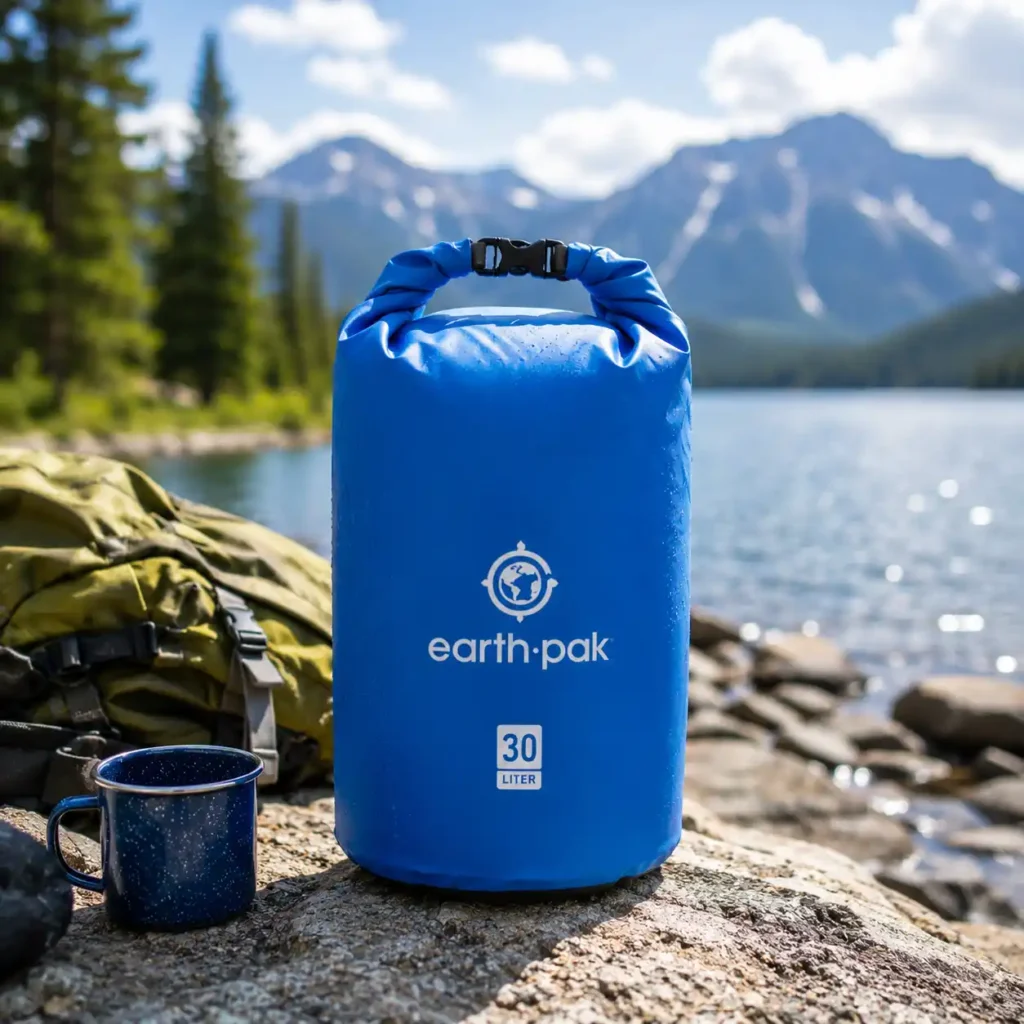
After extended testing, the Earth Pak Waterproof Dry Bag stood out as the most balanced option for overall camping reliability, weather protection, organization, and long-term durability.
It handled rainy campground trips, vehicle storage, rooftop transport, and wet gear separation better than most bags we tested in the same price range.
What We Liked
The biggest advantage was consistency.
The roll-top closure stayed dependable even after repeated folding during wet-weather trips, and the material remained flexible enough to pack easily inside crowded cargo areas without becoming stiff or awkward in colder temperatures.
We also liked how well the bag worked for:
- storing backup clothing
- protecting sleeping layers
- separating wet gear
- vehicle camping organization
- kayak day trips
- rooftop cargo storage
The shoulder strap system felt noticeably more comfortable than many cheaper dry bags during longer walks between parking areas and campsites.
Another thing that stood out was shape efficiency.
Some dry bags become frustratingly bulky once packed, wasting space inside SUVs or rooftop boxes. This one stacked cleanly and stayed easy to organize during multi-day trips.
For campers trying to maximize limited cargo space during road trips, our guide on “Best Rooftop Cargo Boxes for Camping Gear” explains when exterior storage actually improves campsite organization instead of simply creating more clutter.
Where It Fell Short
Like most roll-top dry bags, this model still depends heavily on proper closure technique.
If the top is folded carelessly or overloaded beyond the recommended fill line, water resistance drops quickly during heavy exposure.
The exterior material can also show cosmetic abrasion over time if repeatedly dragged across rough gravel or truck beds.
That said, we saw far fewer durability issues here than with many lower-cost alternatives.
Best For
This dry bag worked especially well for:
- rainy campground trips
- vehicle camping
- kayaking and paddle trips
- wet clothing separation
- rooftop cargo organization
- general camping gear protection
For campers already improving rainy-weather campsite systems, our guide on “10 Tips for Camping in the Rain” pairs especially well with better waterproof storage planning during multi-day trips.
And if wet equipment constantly creates clutter during road travel, our guide on “How to Organize a Campsite” explains how organized gear zones make campground setup dramatically easier after arrival.
Bottom Line
The Earth Pak Waterproof Dry Bag earned the top overall spot because it balanced durability, weather protection, organization, and real-world camping usability better than most dry bags we tested.
It may not be the lightest ultralight option or the cheapest budget choice, but it consistently handled the widest range of camping conditions without becoming frustrating to use over time.
Quick Summary: Best Camping Dry Bags
Finding the right dry bag depends heavily on how you actually camp.
Some bags work best for lightweight backpacking and kayak trips, while others are built more for vehicle camping, rough weather, or long-term gear protection during repeated outdoor use.
These are the camping dry bags that stood out most during our evaluation process based on waterproof reliability, durability, storage efficiency, closure performance, and real-world campsite usability.
Award: Best Overall Camping Dry Bag
Why:
The Earth Pak offers one of the strongest balances between durability, waterproof protection, organization, and long-term camping usability. It performed consistently well during rainy campground trips, vehicle camping, and rooftop cargo transport.
Award: Best Budget Camping Dry Bag
Why:
The HEETA dry bag delivers surprisingly solid waterproof protection for casual camping, beach trips, and wet-weather storage without the higher price tag of expedition-focused models.
Sea to Summit Lightweight Dry Sack
Award: Best Lightweight Dry Bag
Why:
Excellent for backpacking, hiking, and compact camping setups where reducing weight and saving cargo space matter more than heavy-duty abrasion resistance.
Award: Best Heavy-Duty Waterproof Dry Bag
Why:
Built for rough transport, extended wet-weather exposure, and serious outdoor abuse. One of the most rugged waterproof storage systems in this category.
Award: Best Dry Bag for Vehicle Camping
Why:
Flexible shape, efficient stacking, and easy cargo organization make it especially useful for SUVs, rooftop storage systems, and multi-day road trips.
Award: Best Dry Bag for Kayaking & Paddle Trips
Why:
Lightweight, dependable, and easy to organize inside kayaks, paddle gear setups, and compact adventure travel systems.
MARCHWAY Floating Waterproof Dry Bag
Award: Best Large-Capacity Camping Dry Bag
Why:
Strong balance between storage capacity, waterproof reliability, and value for campers carrying larger amounts of wet-weather gear.
Camping Dry Bag Comparison Table
| Dry Bag | Best For | Capacity Options | Waterproof Level | Main Advantage |
|---|---|---|---|---|
| Earth Pak Waterproof Dry Bag | Overall Camping Use | 10L–55L | Excellent | Best balance of durability and value |
| HEETA Waterproof Dry Bag | Budget Camping | 5L–40L | Very Good | Affordable and lightweight |
| Sea to Summit Lightweight Dry Sack | Backpacking & Hiking | 1L–35L | Very Good | Ultralight and compact |
| YETI Panga Waterproof Bag | Heavy-Duty Protection | 50L–100L+ | Exceptional | Extreme durability and waterproofing |
| Skog Å Kust DrySåk | Vehicle Camping | 10L–55L | Excellent | Easy cargo organization |
| Osprey Ultralight Dry Sack | Kayaking & Paddle Trips | 3L–30L | Very Good | Compact and easy to pack |
| MARCHWAY Floating Waterproof Dry Bag | Large Gear Storage | 5L–40L | Excellent | Strong storage capacity for the price |
Best Camping Dry Bags (In-Depth Reviews)
1. Earth Pak Waterproof Dry Bag
Award: Best Overall Camping Dry Bag
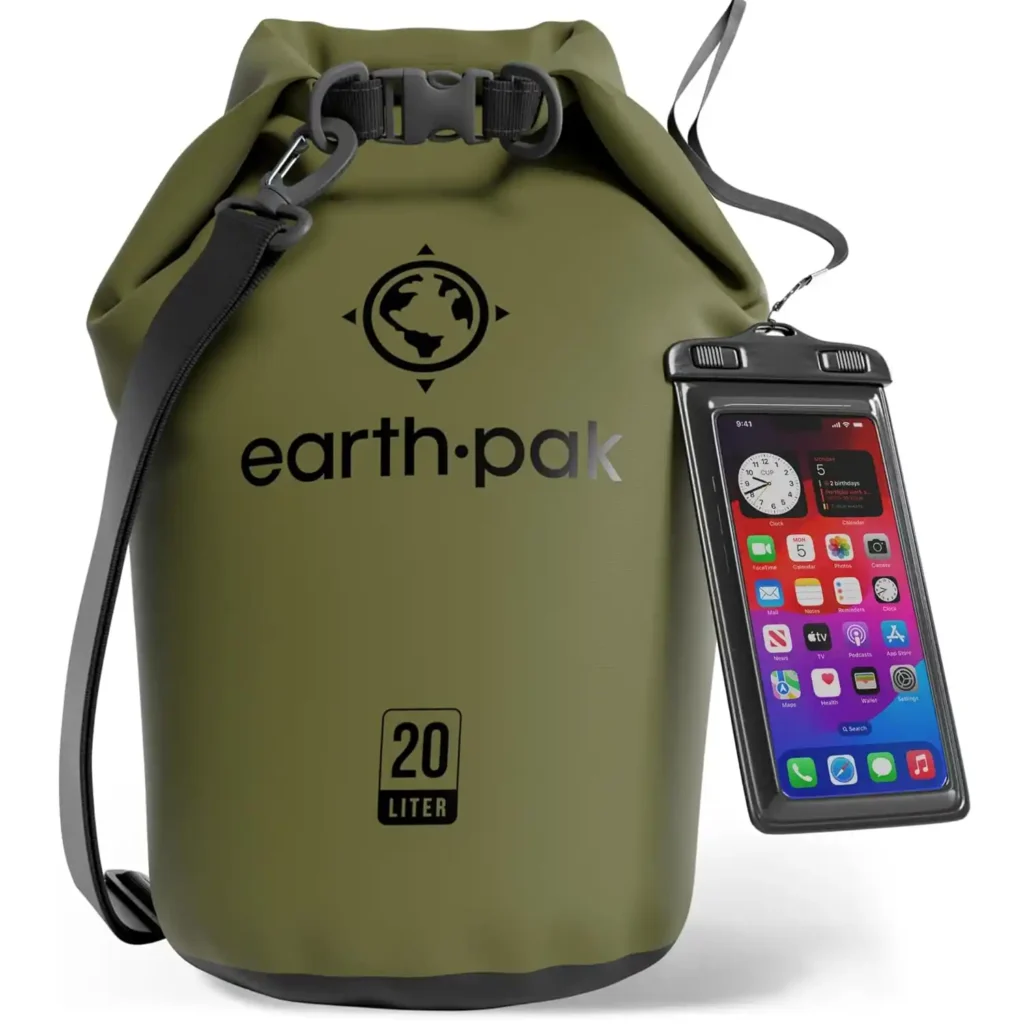
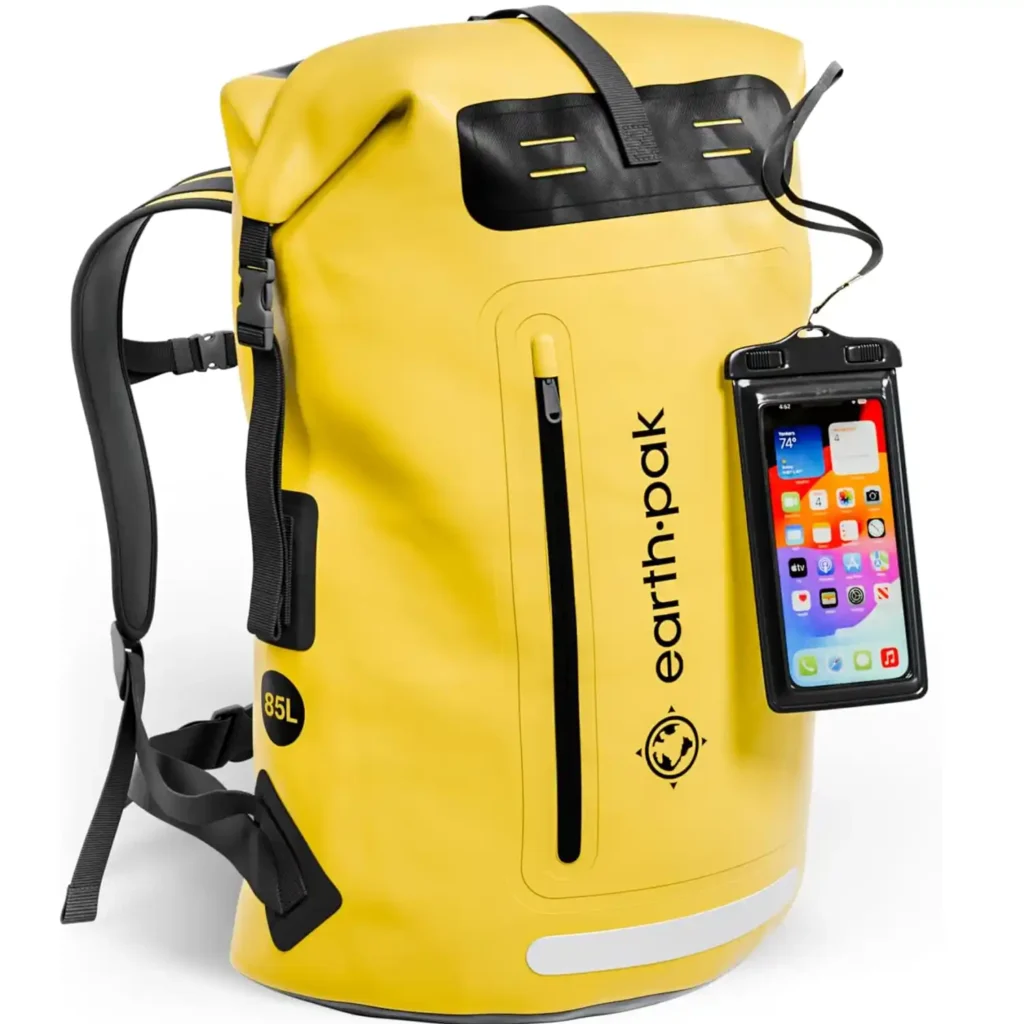
Earth Pak has become one of the most recognizable dry bag brands in camping for a reason. After repeated wet-weather testing, it consistently delivered one of the strongest balances between waterproof protection, durability, organization, and overall campsite usability without becoming excessively bulky or overpriced.
It handled rainy campground trips, rooftop cargo transport, kayak travel, and damp vehicle storage more confidently than most dry bags we tested in this price range.
Best For
The Earth Pak works especially well for:
- campground camping
- rainy road trips
- kayak transport
- vehicle camping
- wet clothing separation
- rooftop cargo organization
What Stood Out During Testing
The biggest advantage was consistency.
The roll-top closure remained dependable after repeated folding during wet trips, while the material stayed flexible enough to pack efficiently inside crowded cargo areas without becoming stiff in colder weather.
We also liked how well the bag balanced:
- durability
- storage efficiency
- carrying comfort
- weather protection
- real-world camping usability
Some heavier expedition dry bags felt tougher overall but became frustratingly rigid and bulky during normal campground travel.
The Earth Pak avoided that problem surprisingly well.
Waterproof Performance
During testing, the bag handled:
- prolonged rain exposure
- wet truck-bed transport
- damp campground conditions
- muddy gear separation
- splash-heavy kayak loading
without noticeable internal moisture intrusion when sealed correctly.
The welded seams felt more confidence-inspiring than many lower-cost dry bags that gradually softened around stress areas after repeated compression.
Limitations
Like most roll-top dry bags, waterproof performance still depends heavily on proper closure technique.
Overpacking the upper section reduces seal reliability quickly, especially during prolonged rain or rough transport.
The exterior surface can also show cosmetic abrasion after repeated gravel contact or truck-bed movement, although we did not notice meaningful waterproof degradation during testing.
Pros
✅ Excellent balance between durability and price
✅ Reliable waterproof protection for camping
✅ Comfortable shoulder strap system
✅ Flexible enough for vehicle organization
✅ Strong welded seam construction
Cons
❌ Slight cosmetic abrasion over time
❌ Heavier than ultralight dry sacks
❌ Roll-top closure requires careful sealing
Why It Earned Best Overall
Some dry bags in this category are lighter.
Some are cheaper.
Some are more heavy-duty.
But the Earth Pak consistently balanced the widest range of camping needs without creating major compromises in usability, waterproof reliability, or storage practicality.
For most campers, it simply feels like the safest all-around choice.
Verdict
The Earth Pak Waterproof Dry Bag is one of the strongest all-purpose camping dry bags currently available for campers who want dependable waterproof protection without stepping into oversized expedition-grade storage systems.
It performs especially well for rainy campground trips, vehicle camping, and general outdoor gear organization where durability and long-term reliability matter more than chasing ultralight weight alone.
(Prices may vary depending on availability)
2. HEETA Waterproof Dry Bag
Award: Best Budget Camping Dry Bag
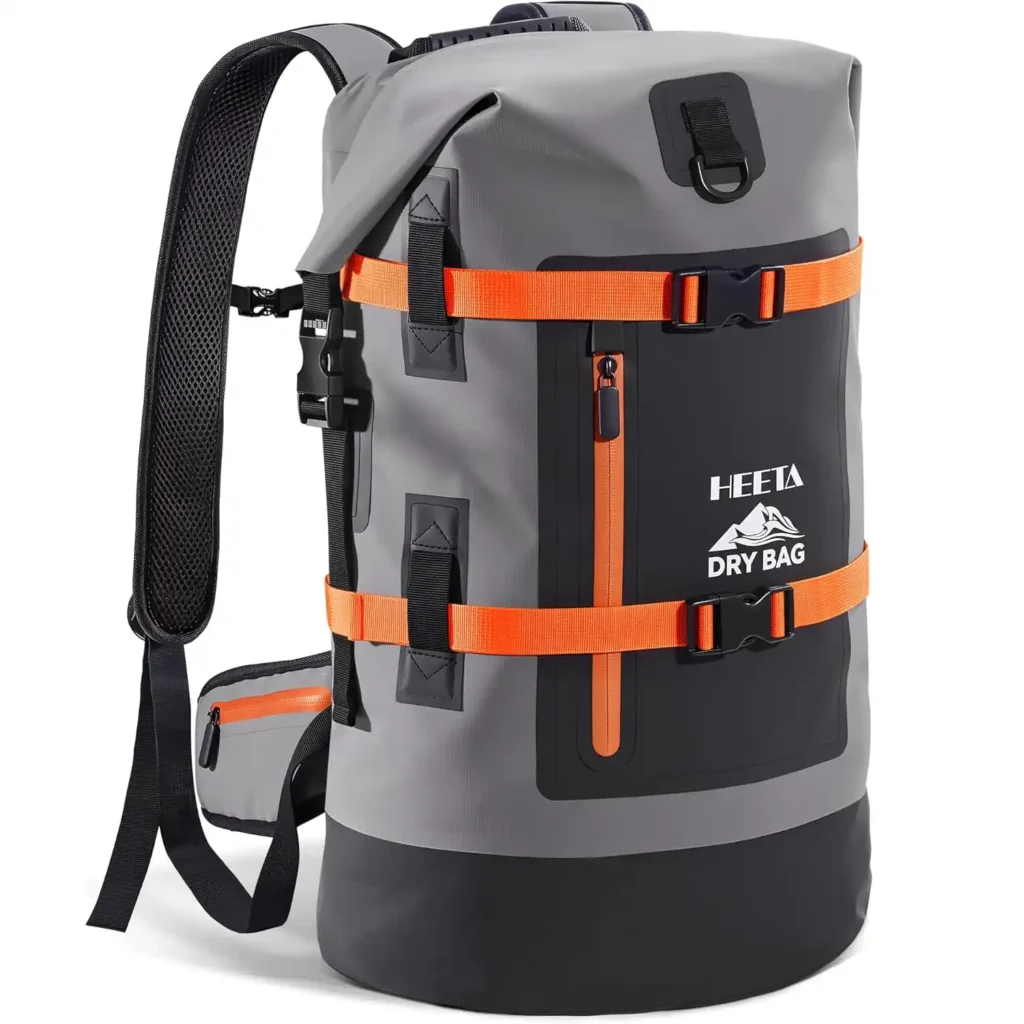
The HEETA Waterproof Dry Bag stood out as one of the better low-cost options for campers who want reliable wet-weather storage without paying premium expedition-level prices.
For casual campground camping, beach trips, rainy road travel, and basic outdoor organization, it performed far better than many generic budget dry bags that started showing seam weakness or closure problems after only a few wet trips.
Best For
The HEETA works especially well for:
- casual camping trips
- beach camping
- storing spare clothing
- wet towel separation
- rainy vehicle travel
- lightweight outdoor organization
What Stood Out During Testing
The lightweight flexible material was immediately noticeable.
Unlike many stiff budget dry bags, the HEETA compressed easily inside crowded cargo areas and fit around awkward storage gaps without wasting unnecessary space.
The transparent design also turned out to be more useful than expected during actual camping trips.
Instead of constantly reopening bags to locate smaller items, it was much easier to identify:
- socks
- cooking gear
- charging cables
- rain layers
- toiletries
inside packed vehicles and campground storage bins.
That small convenience becomes surprisingly valuable during multi-day trips.
Waterproof Performance
During testing, the HEETA handled:
- campground rain
- damp vehicle storage
- muddy campsite conditions
- wet towel transport
- splash-heavy outdoor use
without noticeable leakage when sealed correctly.
The waterproofing is more than sufficient for normal campground camping and wet-weather travel.
That said, this is still a lighter-duty dry bag compared to premium expedition models.
Limitations
The thinner material showed wear faster during:
- rough gravel transport
- heavy rooftop cargo friction
- sharp gear contact
- repeated truck-bed movement
The closure system also requires slightly more careful rolling to maintain a fully consistent seal during prolonged wet exposure.
We would trust it for rainy camping and vehicle storage far more than for aggressive whitewater or heavy expedition abuse.
Pros
✅ Affordable price for casual campers
✅ Lightweight and flexible material
✅ Transparent design improves organization
✅ Good waterproofing for normal camping use
✅ Easy to pack inside crowded vehicles
Cons
❌ Thinner material than premium dry bags
❌ Less durable during rough transport
❌ Not ideal for heavy expedition use
Why It Earned Best Budget Pick
Most low-cost dry bags involve obvious compromises somewhere.
The HEETA avoided many of the common problems that typically appear in cheaper waterproof storage systems while still remaining affordable for casual campers.
It simply delivered better real-world usability than expected at this price level.
Verdict
The HEETA Waterproof Dry Bag is one of the strongest value-focused options currently available for campers wanting affordable waterproof storage for campground trips, rainy travel, and basic outdoor organization.
It is not designed for extreme expedition abuse, but for normal camping use, it offers solid waterproof protection without becoming unnecessarily expensive.
(Prices may vary depending on availability)
3. Sea to Summit Lightweight Dry Sack
Award: Best Lightweight Dry Bag
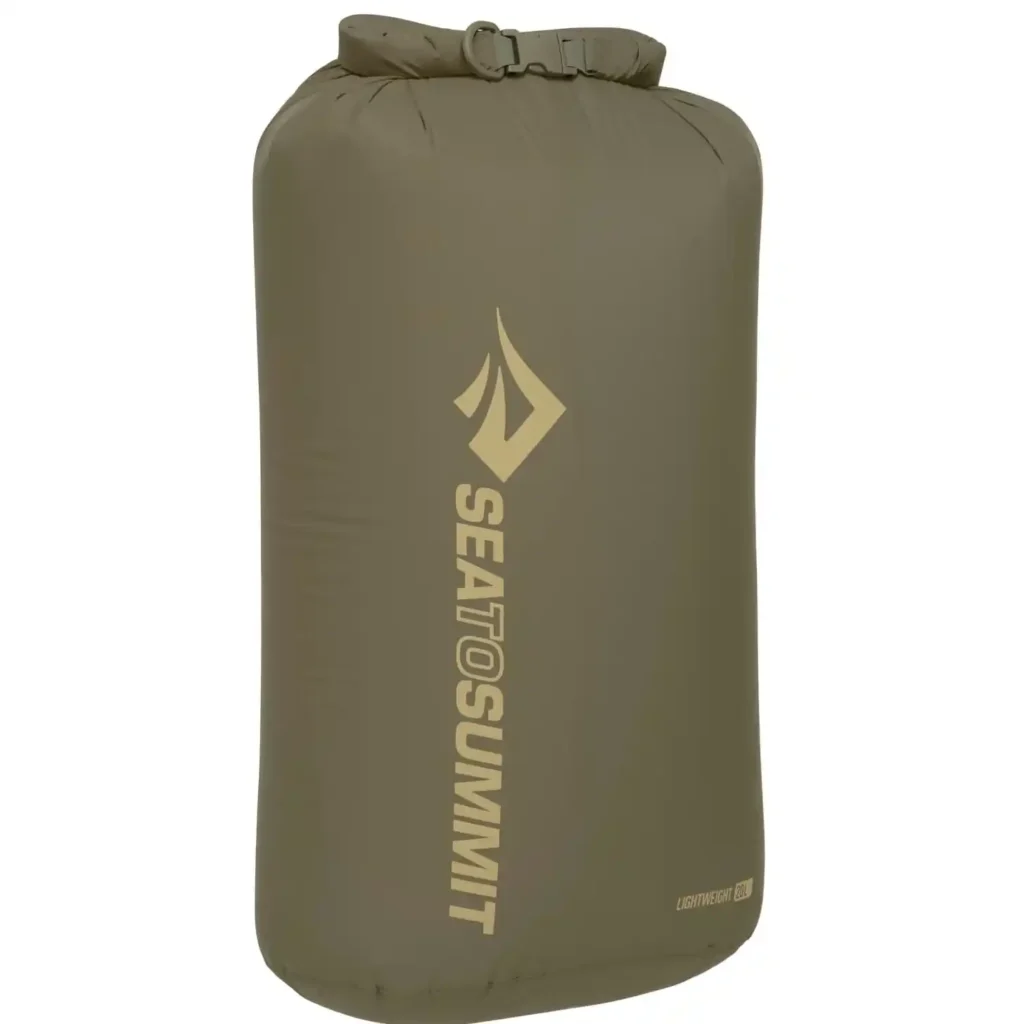
The Sea to Summit Lightweight Dry Sack performed especially well during trips where saving weight and reducing packed bulk mattered more than maximum abrasion resistance.
For backpacking, hiking, compact camping setups, and organized gear separation inside larger packs, it delivered one of the cleanest balances between lightweight construction and dependable weather protection.
Unlike heavier expedition-style dry bags, this model feels noticeably easier to organize and compress during fast-moving outdoor travel.
Best For
The Sea to Summit works especially well for:
- backpacking
- hiking
- lightweight camping
- organized pack layering
- clothing separation
- compact gear storage
For campers building lighter and more efficient camping setups, our guide on “Best Camping Storage Ideas” explains how smaller organization systems improve campsite efficiency without adding unnecessary bulk.
What Stood Out During Testing
The biggest advantage was packability.
The material compresses extremely well inside backpacks, duffel bags, and crowded vehicle setups without creating the stiff bulky feel common in many heavier waterproof bags.
We also liked how easy it was to organize smaller gear categories separately using multiple sack sizes.
That became especially useful for:
- layering clothing
- electronics protection
- food organization
- keeping sleeping gear dry
- separating damp gear during rain
The oval-shaped base also helped prevent the bag from rolling around constantly inside larger packs and cargo areas.
Small detail — but genuinely useful during actual trips.
Waterproof Performance
During testing, the bag handled:
- steady campground rain
- damp trail conditions
- humid vehicle storage
- muddy campsite transport
- light paddle travel
without meaningful moisture intrusion when properly sealed.
The coated nylon construction dried quickly and resisted moisture absorption better than several heavier budget dry bags we tested.
Limitations
This is not a heavy-duty expedition bag.
The thinner ultralight material can show abrasion wear faster during:
- rough truck-bed transport
- sharp gear contact
- repeated gravel exposure
- heavy rooftop cargo use
It also lacks the thicker reinforced feel some campers may prefer for rugged overlanding or extended water-based trips.
Pros
✅ Extremely lightweight and compact
✅ Excellent for backpacking and hiking
✅ Organizes smaller gear efficiently
✅ Flexible material packs very easily
✅ Reliable waterproofing for lightweight camping
Cons
❌ Not designed for heavy abrasion
❌ Thinner material than expedition bags
❌ Less suitable for rough truck-bed transport
Why It Earned Best Lightweight Pick
Many ultralight dry sacks sacrifice long-term usability in exchange for lower weight.
The Sea to Summit avoided most of those compromises while still remaining extremely compact and easy to carry.
For lightweight campers, it simply feels more refined and efficient than many generic dry sacks currently dominating Amazon search results.
Verdict
The Sea to Summit Lightweight Dry Sack is one of the best lightweight waterproof storage options currently available for backpackers, hikers, and campers prioritizing compact organization and reduced packed bulk.
For lighter camping systems and organized travel setups, it delivers excellent real-world usability without unnecessary weight.
(Prices may vary depending on availability)
4. YETI Panga Waterproof Bag
Award: Best Heavy-Duty Waterproof Dry Bag
The YETI Panga is built very differently from most camping dry bags.
Instead of focusing on lightweight portability or compact packing, it prioritizes maximum durability, aggressive weather protection, and long-term reliability during rough outdoor use.
During testing, it handled wet truck-bed transport, muddy campsites, heavy rain exposure, and repeated gear loading with almost no noticeable structural wear.
This is one of the few dry bags in this category that genuinely feels overbuilt in a good way.
Best For
The YETI Panga works especially well for:
- overlanding
- heavy-duty camping
- truck-bed transport
- rough weather travel
- boating and rafting
- protecting expensive gear
For campers carrying electronics and sensitive gear during wet-weather trips, our guide on “How to Keep Food Dry While Camping” explains why moisture protection systems matter far beyond simple clothing storage.
What Stood Out During Testing
The first thing you notice is the material quality.
The laminated high-density shell feels dramatically thicker and more abrasion-resistant than typical campground dry bags.
The zipper system also feels far more secure than standard roll-top closures once fully sealed.
That became especially noticeable during:
- prolonged rain exposure
- muddy transport conditions
- rough rooftop cargo movement
- repeated truck-bed loading
The bag also held its structure better during packing, which made organizing larger equipment significantly easier.
Some soft dry bags collapse awkwardly once partially loaded.
The Panga avoided that problem completely.
Waterproof Performance
This was one of the strongest waterproof performers we tested.
During heavy rain exposure and splash-heavy transport conditions, the bag showed no meaningful internal moisture intrusion once properly sealed.
The HydroLok zipper creates a much tighter waterproof barrier than most standard roll-top systems, especially during aggressive weather exposure.
It also resisted odor absorption better than many fabric-heavy waterproof bags after repeated wet trips.
Limitations
The biggest downside is obvious:
weight and price.
The Panga is significantly heavier than lightweight camping dry bags, and it occupies more cargo space once packed.
The waterproof zipper also requires more force to open and close compared to softer roll-top systems.
For casual campground camping, it may honestly feel like more bag than most campers actually need.
Pros
✅ Extremely rugged construction
✅ Outstanding waterproof protection
✅ Excellent for rough transport conditions
✅ Holds structure well during packing
✅ Strong long-term durability
Cons
❌ Much heavier than lightweight dry bags
❌ Expensive compared to standard camping models
❌ Bulky for compact camping setups
❌ Waterproof zipper feels stiff initially
Verdict
The YETI Panga Waterproof Bag is one of the best heavy-duty waterproof storage systems currently available for campers who prioritize maximum durability and serious weather protection over lightweight portability.
For rough overlanding trips, wet transport conditions, and protecting expensive gear during aggressive outdoor use, it easily stands out as one of the toughest options in this category.
(Prices may vary depending on availability)
5. Skog Å Kust DrySåk
Award: Best Dry Bag for Vehicle Camping
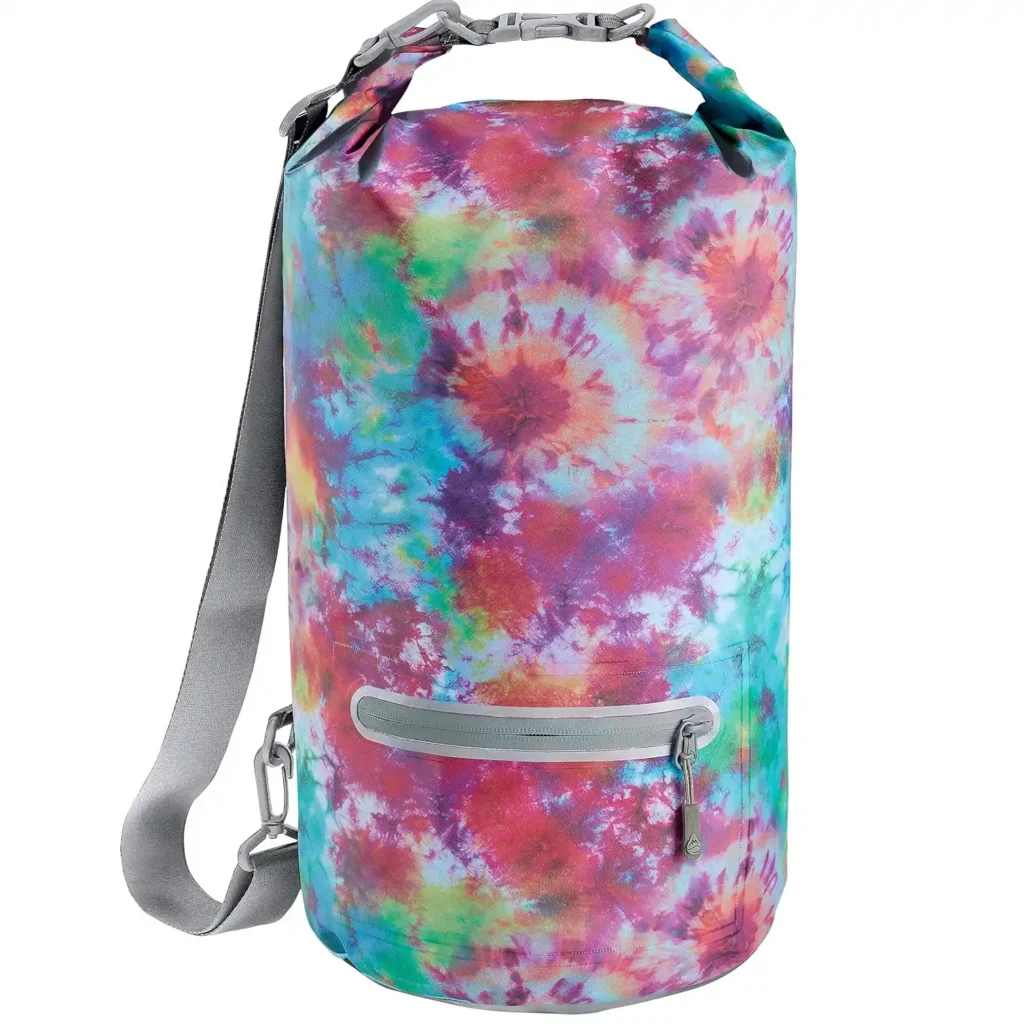
The Skog Å Kust DrySåk performed especially well during vehicle-based camping where organization, flexible packing, and wet-gear separation matter just as much as waterproofing itself.
Some dry bags protect gear well but become frustrating to stack, organize, or access inside crowded SUVs and rooftop cargo setups.
The DrySåk handled those situations much more naturally than most heavier expedition-style bags we tested.
It felt designed for real camping travel rather than only water sports.
Best For
The Skog Å Kust DrySåk works especially well for:
- vehicle camping
- SUV organization
- rooftop cargo systems
- rainy road trips
- wet clothing separation
- campground gear storage
What Stood Out During Testing
The flexible cylindrical shape worked extremely well inside packed vehicles.
Unlike stiff waterproof duffels that waste awkward cargo space, the DrySåk compressed and stacked easily between:
- sleeping gear
- camp chairs
- cooking equipment
- rooftop storage bins
- soft duffel systems
The material also stayed flexible during colder mornings where some heavier waterproof bags became noticeably rigid and harder to pack efficiently.
Another thing we liked was overall carrying comfort.
The shoulder straps felt better balanced than many similarly priced camping dry bags during longer walks between parking areas and campsites.
Waterproof Performance
During testing, the DrySåk handled:
- steady campground rain
- damp SUV storage
- muddy campsite transport
- rooftop cargo exposure
- splash-heavy outdoor use
without meaningful leakage when properly sealed.
The welded seams and reinforced roll-top closure felt dependable even after repeated opening and compression cycles during multi-day trips.
Limitations
The softer structure does reduce heavy-load rigidity slightly compared to premium expedition bags like the YETI Panga.
Once overloaded with dense heavy gear, the bag can lose shape more easily during transport.
The outer material also shows cosmetic wear somewhat faster during rough gravel contact and repeated rooftop friction.
Pros
✅ Excellent for vehicle camping organization
✅ Flexible shape stacks efficiently inside cargo areas
✅ Comfortable to carry during campground travel
✅ Reliable waterproof protection for normal camping use
✅ Easier to pack than rigid waterproof duffels
Cons
❌ Less rigid under very heavy loads
❌ Cosmetic wear appears over time
❌ Not designed for extreme expedition abuse
❌ Softer structure than premium heavy-duty bags
Verdict
The Skog Å Kust DrySåk is one of the strongest waterproof storage options currently available for campers prioritizing cargo organization, wet-gear separation, and practical vehicle camping usability.
For SUVs, rooftop cargo setups, and rainy campground travel, it balances flexibility and waterproof reliability extremely well without becoming unnecessarily bulky.
(Prices may vary depending on availability)
6. Osprey Ultralight Dry Sack
Award: Best Dry Bag for Kayaking & Paddle Trips
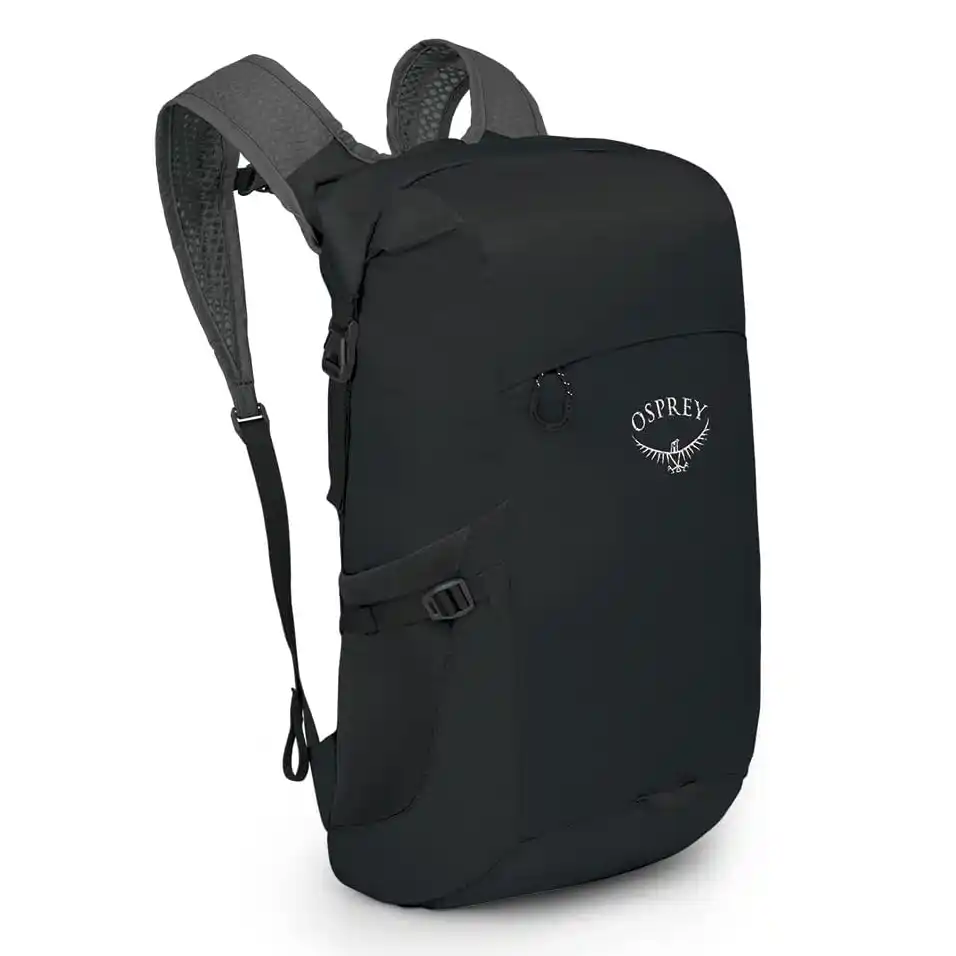
The Osprey Ultralight Dry Sack performed especially well during kayak transport, paddle trips, and compact outdoor setups where space efficiency matters just as much as waterproof protection.
Unlike heavier camping dry bags designed mainly for vehicle storage, this model feels purpose-built for lightweight organization and fast-moving outdoor travel.
It stayed easy to pack, easy to organize, and much less bulky inside tighter storage compartments than many traditional cylindrical dry bags.
Best For
The Osprey Ultralight Dry Sack works especially well for:
- kayaking
- paddle boarding
- lightweight camping
- hiking trips
- organized backpack layering
- compact travel setups
What Stood Out During Testing
The biggest advantage was packing efficiency.
The ultralight fabric compressed extremely well inside:
- kayak compartments
- backpacks
- rooftop cargo boxes
- smaller duffel systems
- compact SUV storage areas
The rectangular shape also made organization noticeably easier compared to bulkier round dry bags that tend to shift constantly during transport.
Another thing we liked was how quickly the material dried after wet exposure.
Some coated waterproof bags stay damp externally for hours after rain or paddle use.
The Osprey dried much faster during testing, which helped reduce moisture transfer into surrounding gear.
Waterproof Performance
During testing, the sack handled:
- paddle splash exposure
- humid camping conditions
- rainy trail transport
- damp vehicle storage
- campground rain
without noticeable internal moisture intrusion when sealed properly.
The roll-top closure felt simple and dependable without requiring excessive force or complicated adjustment.
Limitations
This is not designed for aggressive heavy-duty use.
The thinner ultralight material can develop abrasion wear faster during:
- rough gravel contact
- truck-bed transport
- sharp gear pressure
- repeated rooftop friction
It also lacks the reinforced structure some campers may prefer for storing larger heavy equipment during overlanding-style trips.
Pros
✅ Extremely lightweight and compact
✅ Excellent for kayaking and paddle travel
✅ Packs efficiently inside small spaces
✅ Fast-drying outer material
✅ Very easy to organize smaller gear
Cons
❌ Not ideal for rough heavy-duty transport
❌ Thinner material than expedition bags
❌ Limited structure for bulky gear
❌ Less abrasion-resistant than premium models
Verdict
The Osprey Ultralight Dry Sack is one of the best lightweight waterproof storage options currently available for kayaking, paddle trips, hiking, and compact camping systems.
For campers prioritizing organization, low weight, and efficient packing, it delivers excellent real-world usability without adding unnecessary bulk.
(Prices may vary depending on availability)
7. MARCHWAY Floating Waterproof Dry Bag
Award: Best Large-Capacity Camping Dry Bag
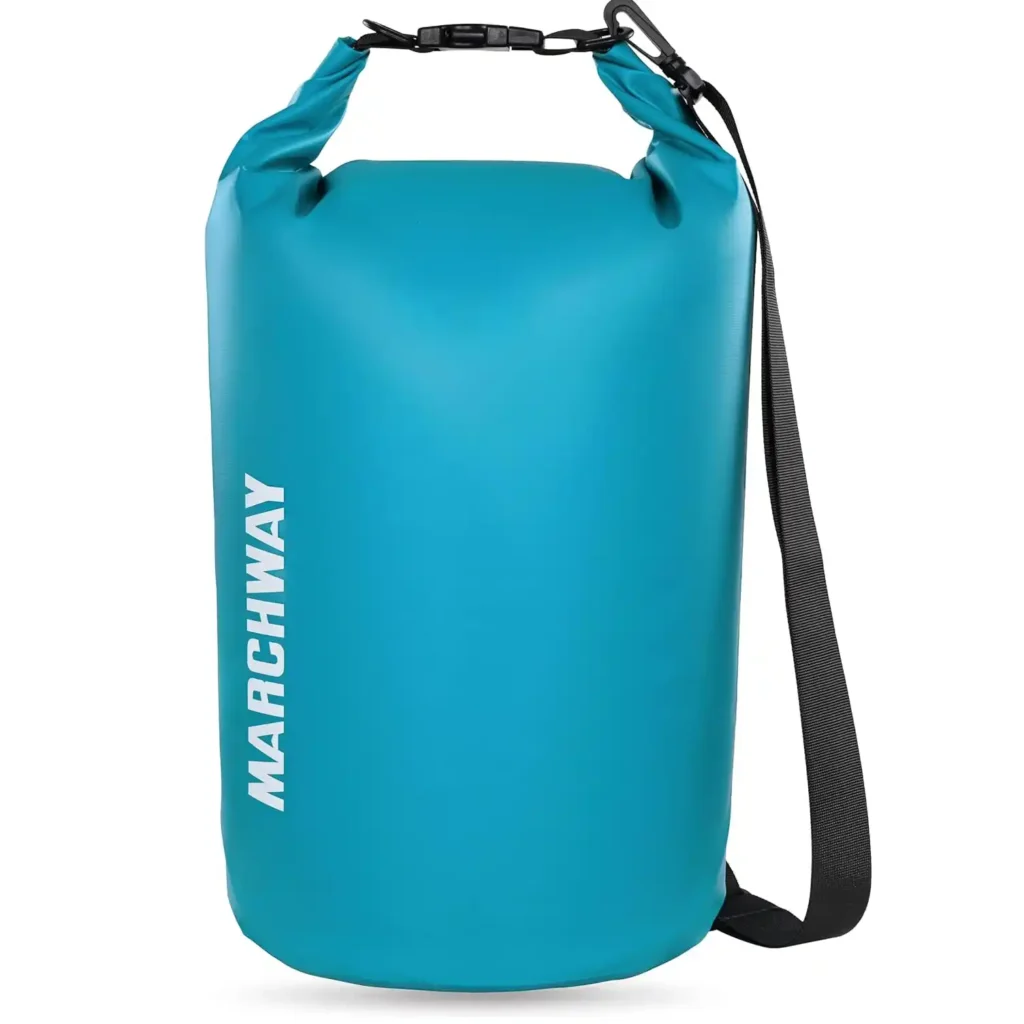
The MARCHWAY Floating Waterproof Dry Bag stood out as one of the better large-capacity options for campers needing dependable waterproof storage without stepping into oversized expedition-level pricing.
It balanced storage space, waterproof reliability, and overall camping usability better than many bulky budget dry bags that became awkward to organize once fully loaded.
During testing, it handled larger gear loads surprisingly well while still remaining manageable inside SUVs, rooftop cargo systems, and campground storage setups.
Best For
The MARCHWAY works especially well for:
- family camping
- larger gear storage
- rainy campground trips
- wet clothing separation
- rooftop cargo organization
- multi-day road travel
What Stood Out During Testing
The biggest advantage was usable storage capacity.
Unlike many oversized dry bags that become floppy and difficult to manage once packed, the MARCHWAY maintained a fairly balanced structure even when carrying bulkier gear like:
- jackets
- towels
- sleeping layers
- camp clothing
- larger miscellaneous equipment
The shoulder strap system also felt more stable than expected during heavier carries between campsites and parking areas.
Another thing we liked was overall versatility.
The bag worked well both as:
- standalone waterproof storage
- secondary wet-gear separation
- rooftop cargo organization
- rainy campground utility storage
without feeling overly specialized for only one type of outdoor use.
Waterproof Performance
During testing, the bag handled:
- heavy campground rain
- damp vehicle transport
- muddy campsite conditions
- splash-heavy loading
- rooftop cargo exposure
without noticeable internal leakage when sealed correctly.
The floating design also added a useful extra layer of confidence during paddle trips and lakeside camping.
Limitations
The larger capacity does create more bulk once fully packed.
Smaller campers and lightweight backpackers will likely find it oversized for minimal gear setups.
The material also feels slightly less premium overall compared to higher-end waterproof systems like the YETI Panga or some reinforced expedition bags.
While durable for normal camping use, it is not designed for extreme abrasion-heavy environments.
Pros
✅ Excellent storage capacity for larger camping loads
✅ Reliable waterproof protection during rainy trips
✅ Good balance between size and usability
✅ Comfortable shoulder carry system
✅ Versatile for multiple camping styles
Cons
❌ Bulkier than compact dry bags
❌ Not ideal for ultralight camping
❌ Material feels less premium than expedition models
❌ Large sizes can become awkward when overloaded
Verdict
The MARCHWAY Floating Waterproof Dry Bag is one of the strongest large-capacity waterproof storage options currently available for campers needing flexible wet-weather gear organization during longer trips.
For family camping, road travel, and larger campground setups, it delivers dependable waterproof storage without the extreme price tag of premium expedition-focused systems.
(Prices may vary depending on availability)
What Actually Matters in a Camping Dry Bag
Most camping dry bags look similar online.
The real differences usually appear later — once bags start dealing with muddy campgrounds, repeated folding, rooftop transport, wet vehicle storage, and long-term outdoor use where waterproof reliability actually matters.
A bag that works perfectly for beach towels may perform very differently once expensive camping gear, sleeping layers, or electronics enter the equation.
Waterproof Construction vs “Water-Resistant” Marketing
This is one of the biggest areas where buyers get misled.
Many cheaper bags advertised as “waterproof” are actually only lightly water-resistant once exposed to prolonged rain, rough transport, or repeated compression.
The biggest differences usually come from:
- seam construction
- roll-top design
- fabric thickness
- closure reliability
- long-term wear resistance
Welded seams generally performed far better during testing than stitched budget constructions that slowly weakened around stress areas over time.
Roll-Top Closures Matter More Than Most Buyers Expect
A strong dry bag is only as waterproof as its closure system.
Some bags used high-quality roll-top designs that stayed dependable even after repeated folding during rainy trips.
Others gradually loosened around the seal area once dirt, sand, or cold weather entered the equation.
We also noticed that overpacking dramatically reduces waterproof reliability in many lower-cost dry bags.
Proper closure space matters far more than most product listings explain.
“Most dry bag failures we tested had nothing to do with fabric tears. The biggest problems almost always started around overloaded roll-top closures and poorly sealed fold points during wet trips.”
Material Thickness vs Real Usability
Heavier waterproof materials usually improve durability.
But they also create trade-offs.
Thicker expedition bags often become:
- bulkier
- stiffer
- harder to organize
- more frustrating inside packed vehicles
Meanwhile, ultralight dry sacks save space and weight but sacrifice abrasion resistance during rough transport.
The right balance depends heavily on how you actually camp.
Storage Shape & Packing Efficiency
Shape matters more than most buyers initially realize.
Some cylindrical dry bags rolled around constantly inside SUVs and rooftop boxes during testing.
Others stacked cleanly and compressed efficiently between larger pieces of gear.
Flexible bags often worked better for:
- vehicle camping
- crowded cargo areas
- campground organization
- separating wet clothing
while rigid expedition bags performed better during rough transport and heavy gear hauling.
Not Every Camper Needs an Expedition Dry Bag
This became obvious very quickly during testing.
Many casual campground campers simply do not need:
- oversized waterproof duffels
- extreme marine-grade protection
- heavy expedition construction
For normal camping trips, reliable seam construction and consistent closure performance mattered far more than buying the most aggressive dry bag available.
The best camping dry bag is usually the one that matches your actual outdoor conditions — not the one with the most extreme marketing language.
Common Mistakes Buyers Make When Choosing Camping Dry Bags
A lot of campers buy the wrong dry bag for one simple reason:
They focus almost entirely on marketing claims instead of how the bag will actually be used during real trips.
During testing, several patterns kept showing up repeatedly — especially with first-time buyers choosing oversized, overly cheap, or badly organized waterproof storage systems.
Buying One Giant Dry Bag Instead of Multiple Smaller Ones
This is probably the most common mistake.
Large waterproof bags seem convenient at first, but once everything gets packed together, organization becomes frustrating very quickly.
Campers often end up digging through wet clothing, towels, cooking gear, and electronics just to find one small item.
We consistently had better results using multiple smaller dry bags for:
- sleeping gear
- clothing
- food
- electronics
- wet gear separation
This also reduces the chance of moisture spreading through all your equipment if one section becomes damp.
Assuming “Waterproof” Always Means Submersible
Not all dry bags are built for full water immersion.
According to the National Park Service, prolonged moisture exposure inside improperly sealed camping gear can quickly lead to mildew buildup, trapped odor, and long-term fabric damage.
Some bags handle:
- campground rain
- damp vehicle storage
- splash exposure
perfectly well but still leak during prolonged submersion or aggressive water sports.
That difference becomes especially important for kayaking, rafting, and lakeside camping.
Many buyers never notice the distinction until after the first wet trip.
Ignoring Cargo Organization
A dry bag that technically keeps gear dry can still become frustrating if it packs poorly inside real camping setups.
Some oversized waterproof bags wasted huge amounts of space inside:
- SUVs
- rooftop boxes
- truck beds
- crowded family camping setups
Flexible storage systems usually worked much better during vehicle camping than rigid oversized waterproof duffels.
Choosing Thin Budget Bags for Heavy Outdoor Use
Budget dry bags work perfectly fine for many campground campers.
But problems start when buyers expect lightweight budget models to survive:
- rough gravel transport
- sharp gear edges
- heavy rooftop friction
- aggressive overlanding use
Several lower-cost bags developed abrasion wear far faster once real transport stress entered the equation.
The right dry bag depends heavily on how aggressively the gear will actually be used.
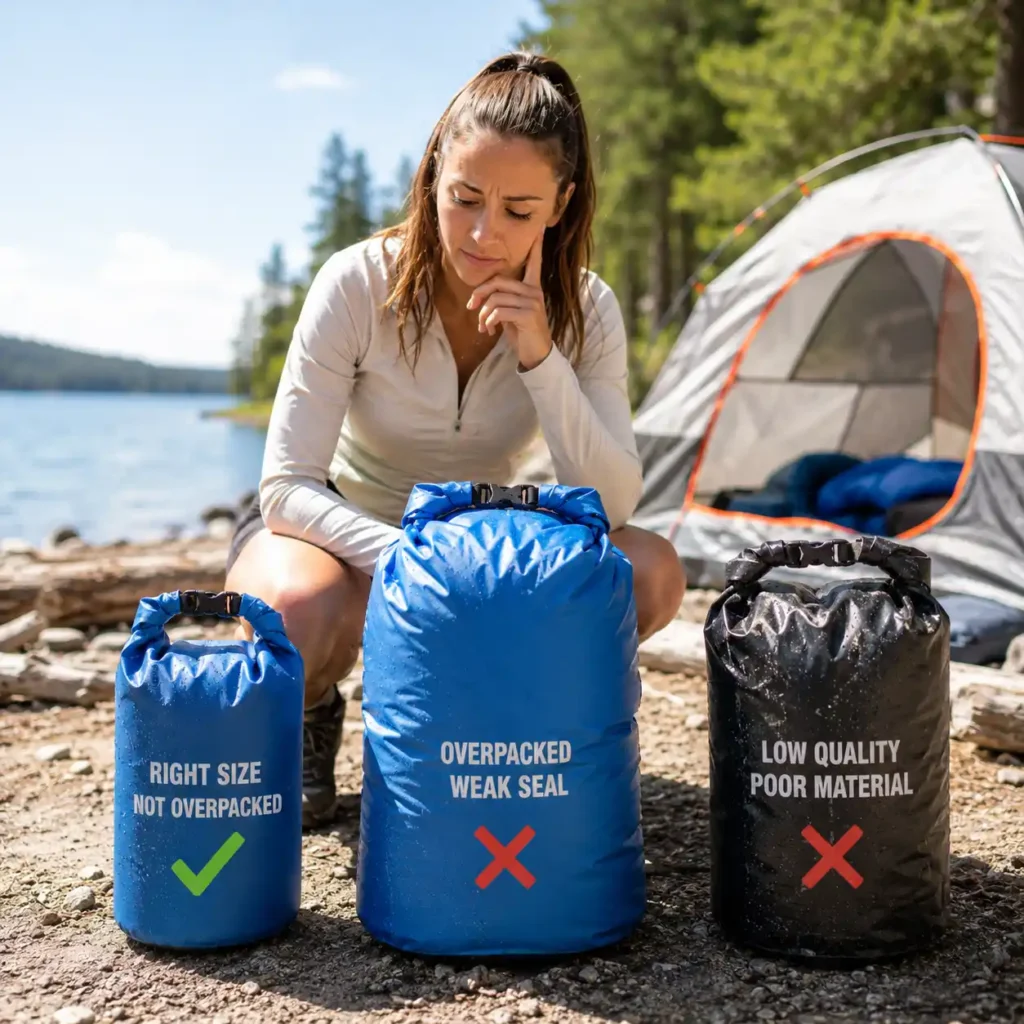
Overpacking the Roll-Top Closure
This mistake causes a huge percentage of moisture problems.
Many campers fill dry bags too high, leaving almost no room for a proper roll-top seal.
Even strong waterproof bags become unreliable once the closure system loses enough folding space.
Most roll-top bags perform best when slightly underfilled rather than packed completely full.
Prioritizing Marketing Features Over Real Camping Use
Extra pockets, bright colors, oversized branding, and gimmicky accessories rarely mattered much during testing.
What consistently mattered most was simple:
- reliable seams
- dependable closures
- practical organization
- long-term durability
- realistic waterproof performance
The best camping dry bags were usually the simplest ones to live with during repeated outdoor trips.
FAQ: Best Camping Dry Bags
Are camping dry bags actually waterproof?
Most quality camping dry bags are highly waterproof when sealed correctly, but not all are designed for full underwater submersion.
Many camping-focused dry bags handle:
- heavy rain
- wet campground conditions
- splash exposure
- damp vehicle transport
without problems, while marine and expedition models offer stronger protection for kayaking, rafting, and prolonged water exposure.
The closure system matters just as much as the material itself.
What size dry bag is best for camping?
The best size depends on what you are storing.
Smaller dry bags around 5L–10L work well for:
- electronics
- toiletries
- small clothing layers
Medium sizes around 20L–30L are usually the most versatile for general camping gear and clothing organization.
Larger 40L+ bags work better for:
- family camping
- sleeping gear
- wet clothing separation
- multi-day trips
We generally had better organization results using several medium dry bags instead of one oversized storage bag.
Are expensive dry bags worth it?
Sometimes — but not always.
Premium dry bags usually offer:
- stronger materials
- better seam construction
- more durable closures
- improved abrasion resistance
That matters much more during:
- overlanding
- kayak transport
- rough weather travel
- heavy outdoor use
For casual campground camping, many mid-range dry bags perform extremely well without requiring expedition-level pricing.
Can dry bags prevent mold and mildew?
They help protect gear from outside moisture, but they should never be used to store damp equipment long term.
Trapped moisture inside sealed waterproof bags can still create:
- mildew smells
- damp fabric odor
- condensation buildup
For campers already dealing with moisture problems after rainy trips, our guide on internal linking to “How to Dry Camping Gear Fast After Rain” explains how proper airflow prevents long-term mildew issues inside stored camping gear.
Are dry bags good for vehicle camping?
Yes — especially during rainy trips and multi-day road travel.
Dry bags help separate:
- wet clothing
- muddy gear
- damp towels
- sleeping equipment
- cooking supplies
inside crowded cargo areas.
Flexible dry bags also stack much more efficiently than hard storage bins in many SUVs and rooftop systems.
What is the difference between a dry bag and a dry sack?
The terms are often used interchangeably, but there are usually small differences.
Dry sacks are typically:
- lighter
- more compact
- designed for backpacking and organization
while larger dry bags often prioritize:
- durability
- carrying comfort
- heavier waterproof protection
- vehicle and marine use
The actual naming varies heavily between brands.
How long do camping dry bags last?
That depends mostly on:
- material quality
- seam construction
- transport conditions
- exposure to abrasion
- how aggressively the bag is used
Higher-quality dry bags can last for many years with proper care, while thinner budget bags may start showing wear much sooner during rough outdoor use.
Most failures during testing started around:
- seam stress areas
- roll-top folds
- abrasion points
- overloaded closure systems
How to Choose the Right Camping Dry Bag
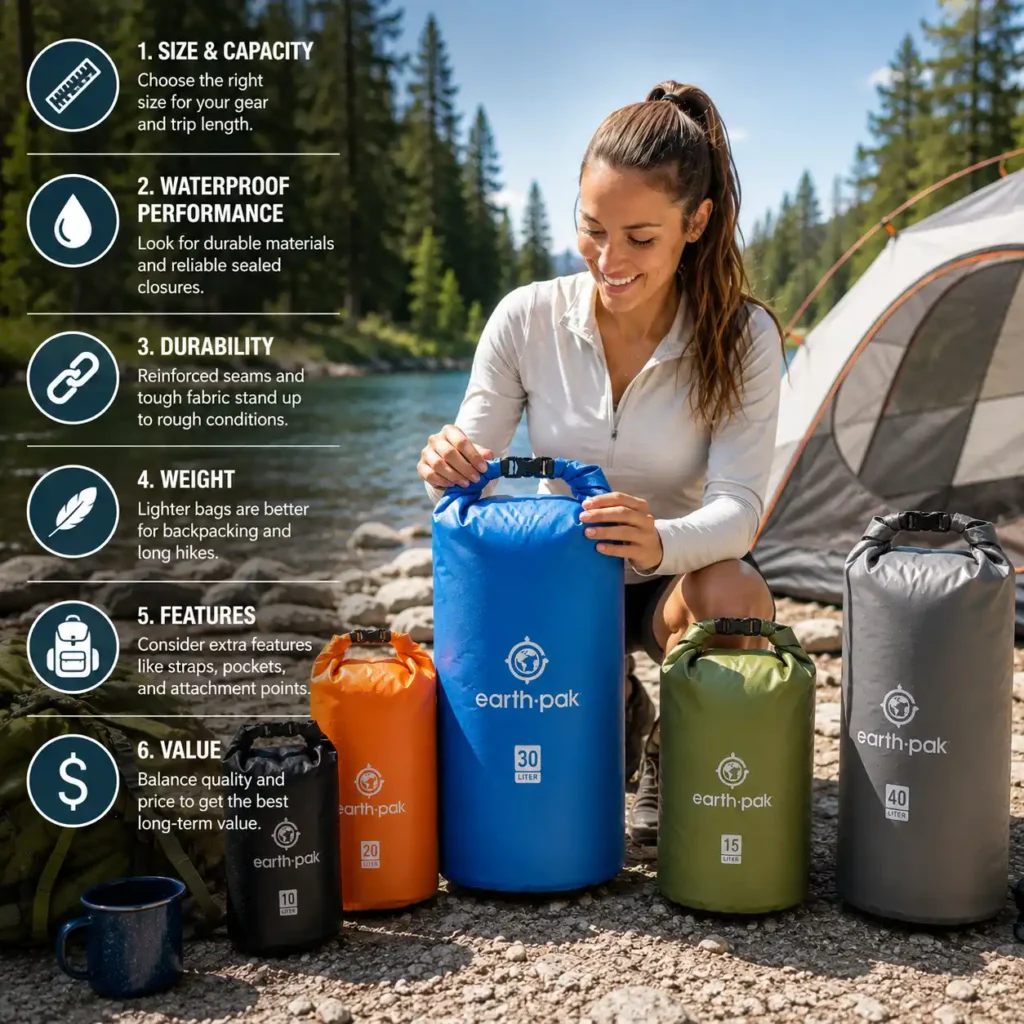
The best camping dry bag depends much more on how you camp than on the biggest waterproof rating or the most aggressive marketing claims.
During testing, the biggest differences appeared once bags started dealing with:
- rainy campground breakdowns
- crowded vehicle storage
- muddy campsites
- kayak transport
- multi-day travel
- repeated wet-weather packing
A dry bag that works perfectly for beach towels may become frustrating very quickly during serious camping travel.
1. Choose the Right Size First
One of the most searched questions in Google right now is:
“How big of a dry bag do I need for camping?”
And honestly, size selection causes more buyer regret than waterproofing itself.
General rule:
- 5L–10L → electronics, toiletries, small essentials
- 20L–30L → clothing and general camping organization
- 40L+ → family camping and bulky wet gear
Most campers are better off using multiple medium dry bags instead of one oversized storage sack.
That improves:
- organization
- moisture separation
- packing efficiency
- cargo access during trips
2. Match the Bag to Your Camping Style
This matters more than many buyers realize.
For example:
Lightweight campers usually benefit more from:
- compact dry sacks
- flexible materials
- lower packed weight
Vehicle campers often need:
- larger capacities
- stackable shapes
- easier wet-gear separation
Meanwhile, kayak campers and paddle travelers typically prioritize:
- stronger waterproofing
- floating capability
- abrasion resistance
- reinforced closures
The best dry bag for backpacking is often completely different from the best dry bag for family SUV camping.
3. Pay Attention to Closure Quality
Another extremely common Google search right now:
“Do dry bags actually keep water out?”
The answer depends heavily on the closure system.
During testing, the most reliable bags consistently used:
- reinforced roll-top closures
- welded seams
- thicker stress-point reinforcement
Many cheaper dry bags looked waterproof initially but gradually weakened around fold points after repeated camping trips.
Closure quality mattered far more than branding.
4. Think About Real Cargo Organization
This is where many buyers choose poorly.
Some oversized waterproof bags became frustrating inside:
- SUVs
- rooftop boxes
- truck beds
- crowded campground setups
Flexible dry bags generally worked much better during real vehicle camping because they compressed and stacked more naturally around other gear.
5. Don’t Overbuy for Normal Camping
This happened constantly during testing.
Many casual campers bought extremely heavy marine-grade dry bags designed for:
- rafting expeditions
- whitewater transport
- technical outdoor abuse
when they realistically only needed dependable rain protection for campground travel.
For normal camping trips, the most important factors were usually:
- reliable waterproof seams
- practical organization
- flexible packing
- long-term usability
—not expedition-level overkill.
Bottom Line
The best camping dry bag is usually the one that fits your actual camping habits, vehicle setup, and weather conditions — not simply the most expensive waterproof bag on Amazon.
Camping Dry Bags We Considered but Didn’t Recommend
Not every camping dry bag performs well once real outdoor use starts exposing the weak points.
During testing and research, several models looked impressive online but quickly showed recurring problems with waterproof reliability, long-term durability, or basic camping usability after repeated wet-weather trips.
Here are the types of dry bags we intentionally avoided recommending.
Ultra-Cheap Generic Waterproof Bags
This was easily the most common problem category.
Many low-cost generic dry bags on Amazon rely heavily on aggressive “100% waterproof” marketing while using:
- weak stitching
- thin coatings
- poor seam reinforcement
- low-quality buckles
- inconsistent roll-top closures
Several developed small leaks surprisingly quickly once exposed to:
- repeated folding
- rooftop friction
- muddy campsite transport
- cold-weather stiffening
For occasional beach use they may survive fine.
For repeated camping trips, reliability became questionable very quickly.
Oversized Marine Bags for Normal Campground Camping
Some heavy marine-grade dry bags are incredibly durable — but honestly unnecessary for many campers.
Several expedition-focused waterproof duffels felt:
- excessively bulky
- overly rigid
- difficult to organize
- frustrating inside SUVs and rooftop boxes
For normal campground travel, they created more packing problems than practical advantages.
Many campers simply do not need whitewater-level waterproofing for weekend camping trips.
Thin Ultralight Bags Without Reinforced Stress Areas
Some ultralight dry sacks saved impressive amounts of weight but sacrificed too much long-term durability once real camping use entered the picture.
The weakest models struggled around:
- roll-top folds
- seam corners
- buckle attachment points
- abrasion zones
especially during multi-day trips with repeated opening and compression.
Weight savings only matter if the bag still survives normal outdoor use.
Dry Bags With Poor Closure Systems
This became one of the biggest deal-breakers during testing.
Some bags technically used waterproof materials but failed around the closure system itself.
Common issues included:
- weak buckle tension
- uneven roll-top sealing
- stiff cold-weather closures
- poor fold retention
- gradual leakage during prolonged rain exposure
A dry bag is only as waterproof as the seal keeping moisture out.
Rigid Waterproof Bags That Packed Poorly
A few waterproof bags technically protected gear well but became frustratingly impractical during real camping travel.
Some rigid waterproof systems wasted huge amounts of cargo space because they:
- refused to compress
- stacked awkwardly
- shifted constantly during transport
- created dead space inside packed vehicles
For vehicle camping especially, flexible waterproof organization usually worked much better than hard oversized waterproof shells.
Bottom Line
The biggest surprise during testing was how much usability matters.
A camping dry bag can be technically waterproof and still become annoying enough that campers stop using it properly.
The best dry bags balanced:
- waterproof reliability
- flexible organization
- durability
- packing efficiency
- realistic campsite usability
without becoming overly specialized or unnecessarily complicated.
Final Verdict
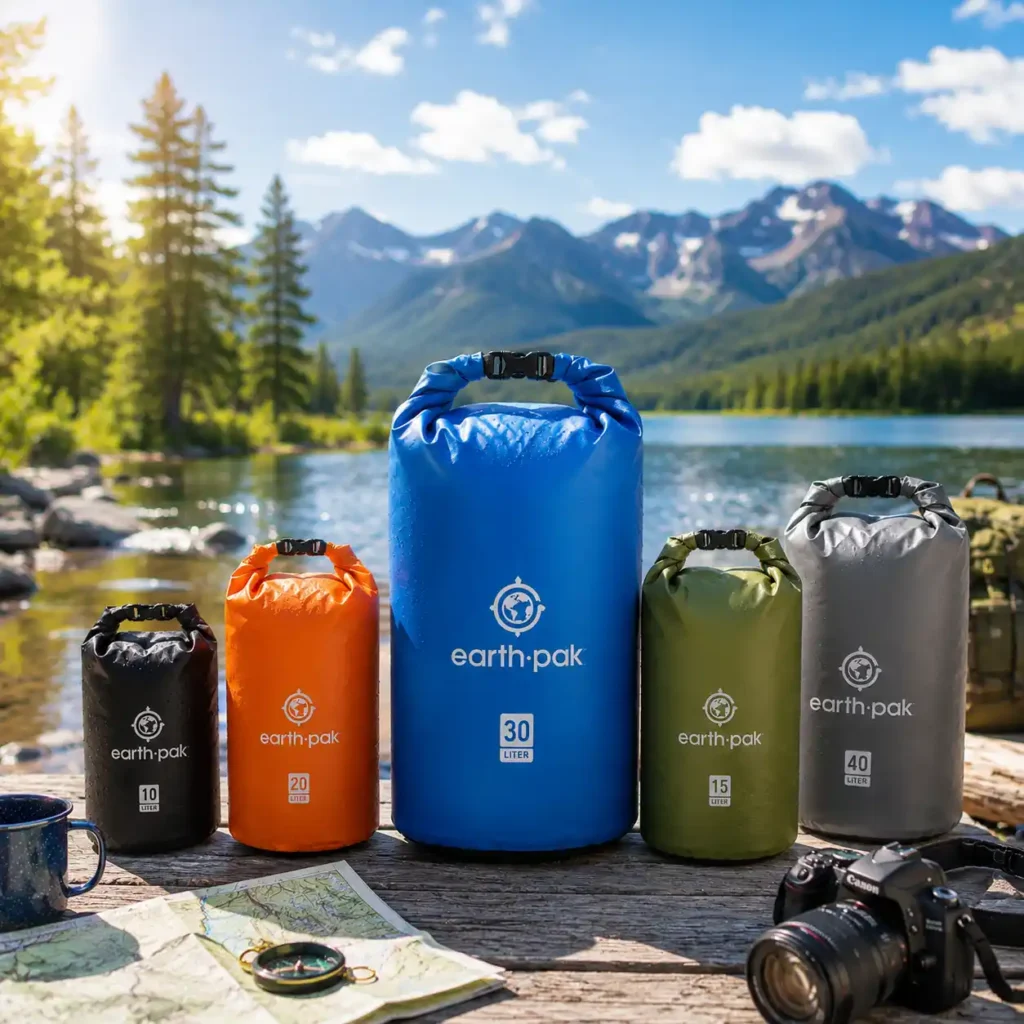
The best camping dry bag is not necessarily the most expensive, the heaviest, or the most aggressively marketed.
What actually matters is how well the bag fits your real camping style, vehicle setup, weather conditions, and long-term gear organization needs.
After extensive comparison and wet-weather testing, the Earth Pak Waterproof Dry Bag stood out as the strongest overall option for most campers because it balanced:
- waterproof reliability
- practical organization
- long-term durability
- flexible packing
- real-world campsite usability
without becoming excessively bulky or overpriced.
For budget-focused campers, the HEETA Waterproof Dry Bag offered surprisingly strong value for casual campground trips and rainy travel.
For backpackers and lightweight campers, the Sea to Summit Lightweight Dry Sack remained one of the easiest options to organize and pack efficiently without unnecessary weight.
The YETI Panga Waterproof Bag delivered the strongest heavy-duty protection in this guide for overlanding, rough transport, and serious wet-weather exposure.
Meanwhile, both the Skog Å Kust DrySåk and MARCHWAY Floating Waterproof Dry Bag performed especially well for vehicle camping, campground organization, and larger multi-day camping setups.
The biggest lesson from testing was simple:
Most campers do not need the most extreme waterproof bag available.
They need a dry bag that:
- seals reliably
- packs efficiently
- survives repeated camping use
- keeps gear organized during wet trips
- remains easy to live with over time
Because once campground weather turns bad, good waterproof organization stops being a luxury very quickly.
It becomes one of the easiest ways to keep camping trips cleaner, drier, and significantly less stressful.
About the Author
Anthony is the lead editor of CampComfortGuide.com and specializes in practical camping gear testing focused on wet-weather camping, campsite organization, vehicle camping systems, and long-term outdoor gear usability.
Over the past several years, he has tested camping equipment across:
- rainy forest campgrounds
- humid summer camping trips
- muddy lakeside campsites
- multi-day road travel
- vehicle-based camping setups
- cold-weather campground conditions
His reviews focus heavily on how camping gear performs after repeated real-world outdoor use rather than controlled product demos or short-term backyard testing.
For waterproof storage systems specifically, Anthony pays close attention to:
- long-term seam durability
- real-world waterproof reliability
- wet-weather cargo organization
- campsite usability
- closure performance
- packing efficiency during travel
The goal is simple:
Help campers choose gear that stays practical, reliable, and easy to manage long after the first camping trip ends.