
Why sleeping bags lose warmth over time comes down to insulation breakdown. Repeated compression, moisture exposure, dirt, and fabric wear reduce loft, which traps less air and lowers heat retention.
Hi, I’m Anthony.
One of my coldest nights outdoors wasn’t in extreme weather. It was inside a sleeping bag I trusted—one that had worked perfectly for years. Same temperature rating, same setup, but noticeably less warmth.
That night taught me something important: sleeping bags don’t fail suddenly. They degrade quietly.
Insulation wears down, moisture accumulates, and heat retention drops long before a bag looks “old.” If you don’t understand why this happens, you’ll keep chasing warmer ratings instead of fixing the real problem.
Here’s why sleeping bags lose warmth over time—and what actually determines how long they stay effective.
Why Sleeping Bags Lose Warmth (Even If They Look Fine)
Why sleeping bags lose warmth over time is primarily due to insulation breakdown.
Repeated compression, moisture exposure, body oils, and fabric fatigue reduce loft,
which traps less air and results in gradual heat loss—even when the bag appears undamaged.
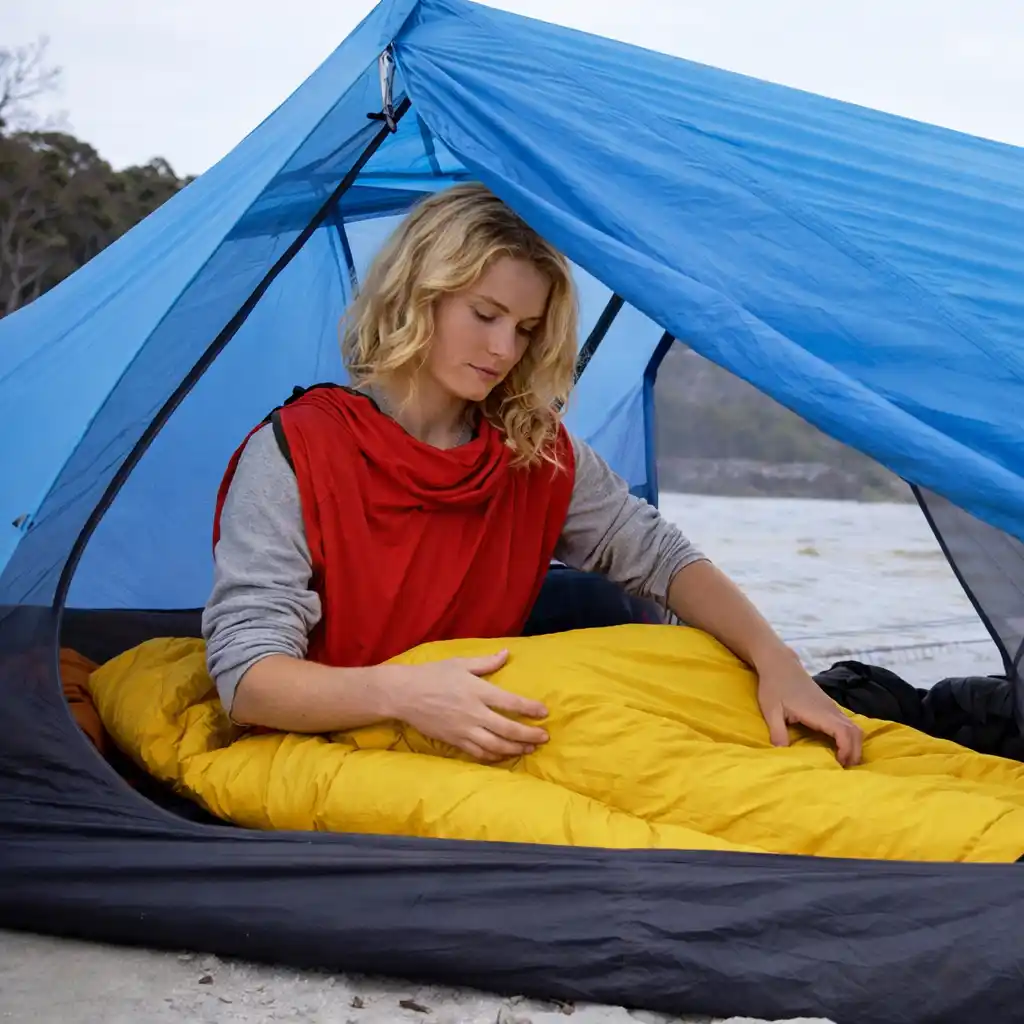
Sleeping bags keep you warm by trapping still air. Over time, their ability to do that decreases.
The most common causes are:
insulation compression
moisture exposure
dirt and body oils
repeated temperature cycling
None of these are manufacturing defects. They’re a result of normal use.
Understanding the mechanisms behind heat loss is the key to extending the life of your sleep system.
How Insulation Actually Works
Insulation doesn’t generate heat. It slows heat loss.
To understand why sleeping bags lose warmth, you need to look at how insulation traps air and how that structure slowly breaks down through compression, moisture, and dirt.
Whether down or synthetic, insulation works by creating loft—tiny air pockets that reduce convection and radiation.
When that loft collapses, warmth disappears.
This is why two sleeping bags with the same temperature rating can feel dramatically different after a few seasons.
Down vs Synthetic: Who Loses Warmth Faster?
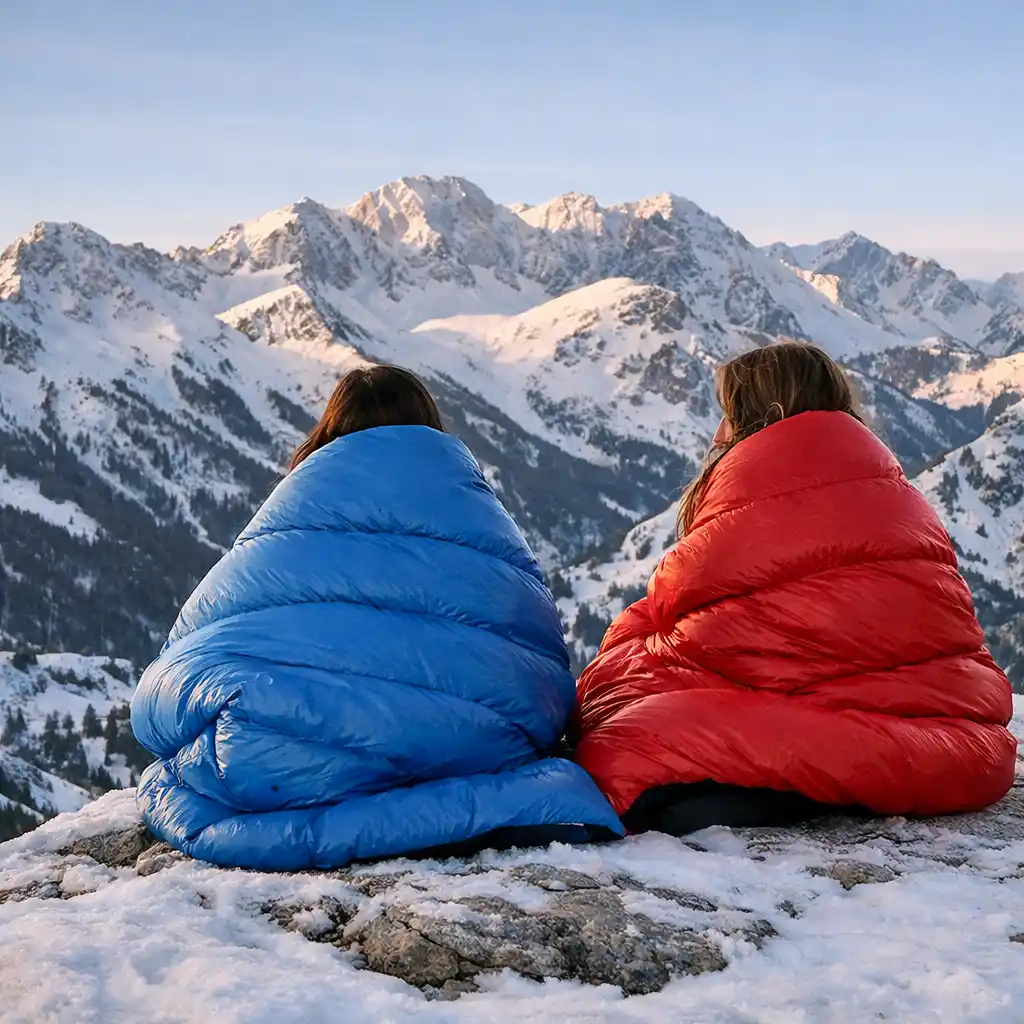
Down Insulation
Down provides exceptional warmth-to-weight, but it’s sensitive.
Down loses warmth when:
repeatedly compressed
exposed to moisture
contaminated with body oils
Once down clusters break or clump, they don’t fully recover.
Synthetic Insulation
Synthetic fibers resist moisture better but degrade structurally over time.
They lose warmth when:
fibers permanently bend
insulation mats out
heat cycles weaken structure
Synthetic bags usually lose loft faster—but more predictably.
👉 If you’re choosing between insulation types, see our guide to how to wash a sleeping bag without ruining it, which directly affects long-term warmth.
Moisture: The Silent Heat Killer
Moisture is one of the main reasons why sleeping bags lose warmth faster than most campers expect.
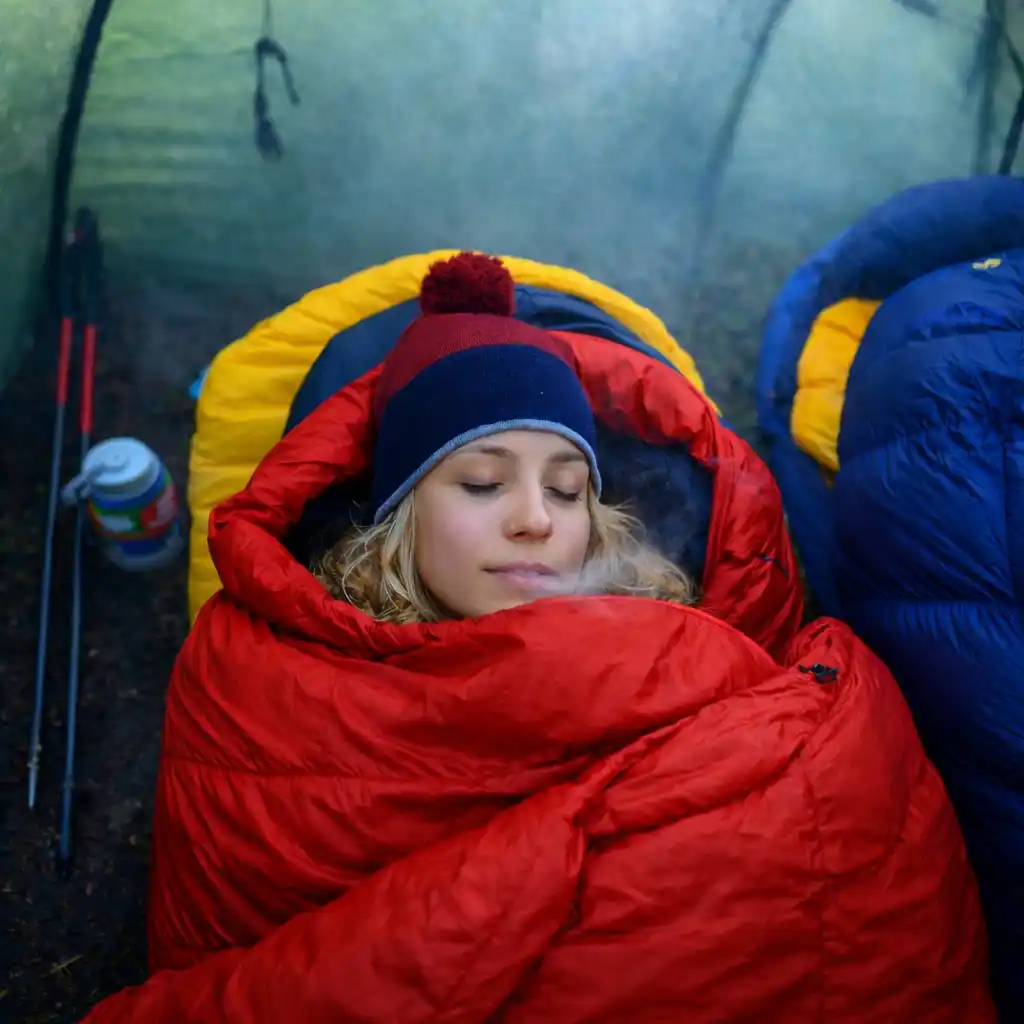
Moisture is the fastest way to destroy insulation efficiency.
Moisture accelerates heat loss by collapsing insulation loft and increasing conductive cooling, following the same physical process described in the dew point and condensation explained by the U.S. National Weather Service.
Sources of moisture include:
sweat and respiration
humid air
ground moisture
condensation inside tents
Even small amounts of moisture reduce loft and increase heat loss.
This is why condensation management matters. If your shelter traps moisture, your sleeping bag absorbs it night after night.
👉 Learn how this happens in our guide on why tents condense at night and why venting isn’t enough.
Dirt, Oils, and Why “Clean” Matters
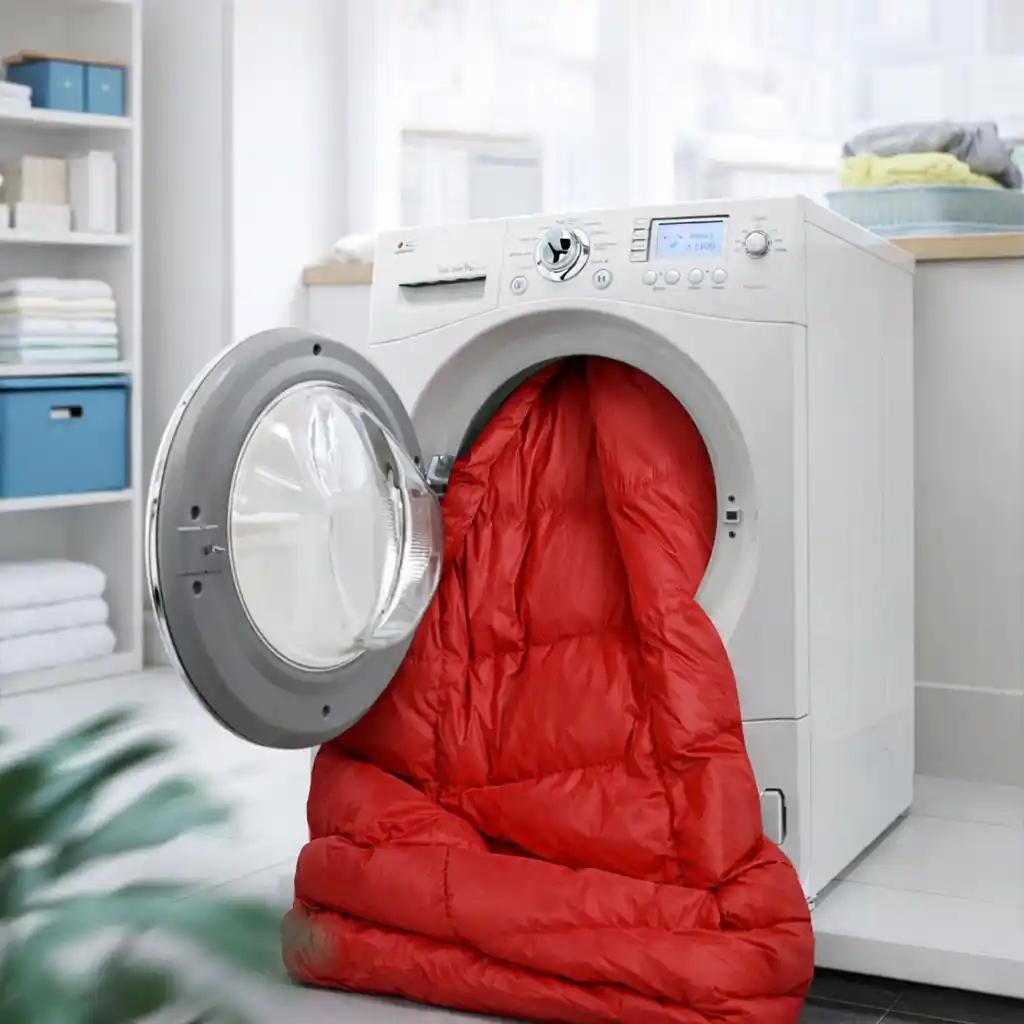
Body oils coat insulation fibers over time.
This causes:
clumping in down
reduced friction recovery in synthetics
slower loft rebound
A dirty bag can lose 10–20% of its warmth even if the insulation itself isn’t damaged.
Regular, proper washing restores loft more than most campers realize.
Compression Damage: Storage Matters More Than Use
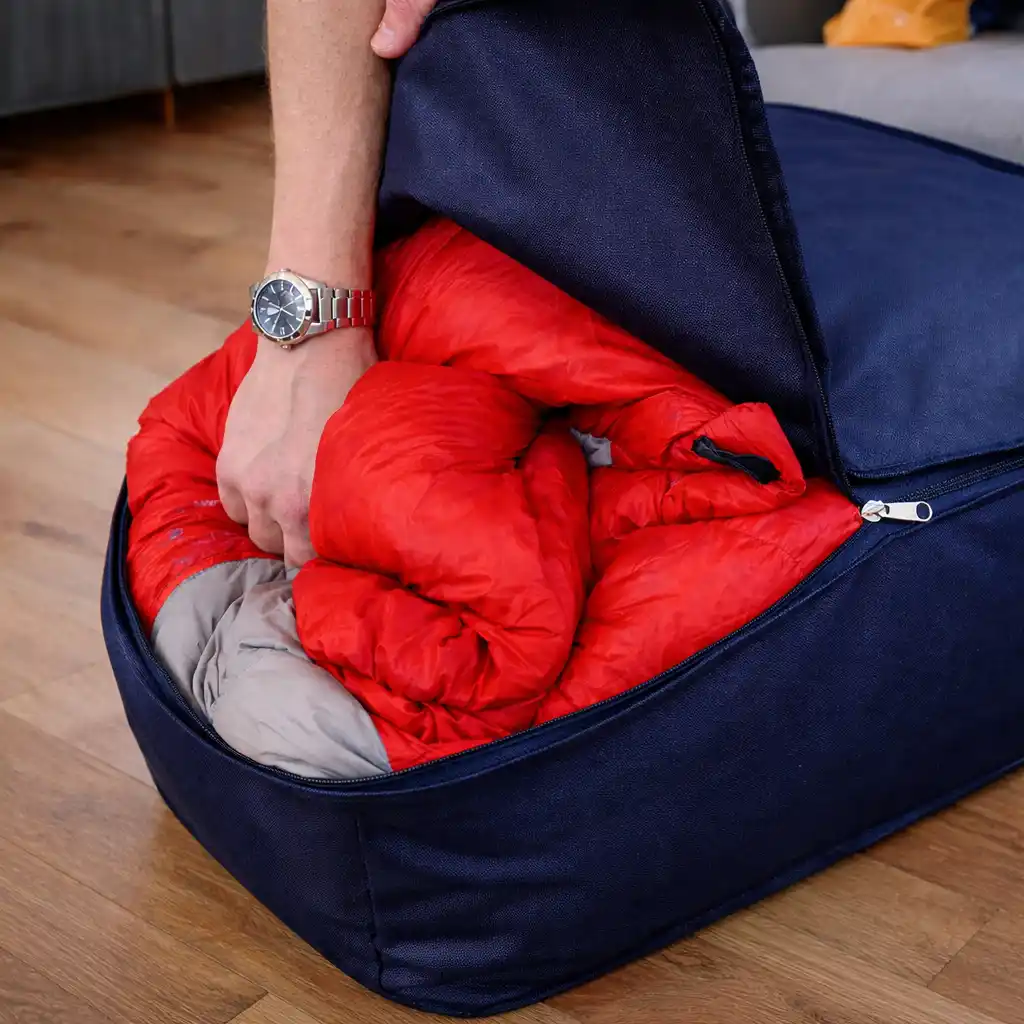
Using a sleeping bag compresses it temporarily. Storing it compressed causes permanent damage.
Long-term compression:
breaks down insulation structure
prevents full loft recovery
accelerates warmth loss
This is why manufacturers recommend loose storage, not stuff sacks.
If your bag lives in its compression sack year-round, warmth loss is inevitable.
Why Cold Feels Colder Over Time
As insulation degrades, heat loss accelerates.
This leads to:
colder perceived temperatures
increased drafts
uneven warmth distribution
Many campers assume the weather got colder—or that they “sleep colder now.” In reality, the bag changed.
This is also why ground insulation becomes more noticeable over time.
👉 If your bag feels cold from below, your pad may be the issue — see our breakdown of the best camping mattresses & sleeping mats for car camping.
Common Myths About Sleeping Bag Warmth
“Temperature ratings never change”
Ratings assume new insulation. Real-world performance changes.
“More layers fixes everything”
Layers help, but they don’t restore lost loft.
“Only cheap bags lose warmth”
All insulation degrades—premium bags just do it slower.
What Actually Extends Sleeping Bag Warmth
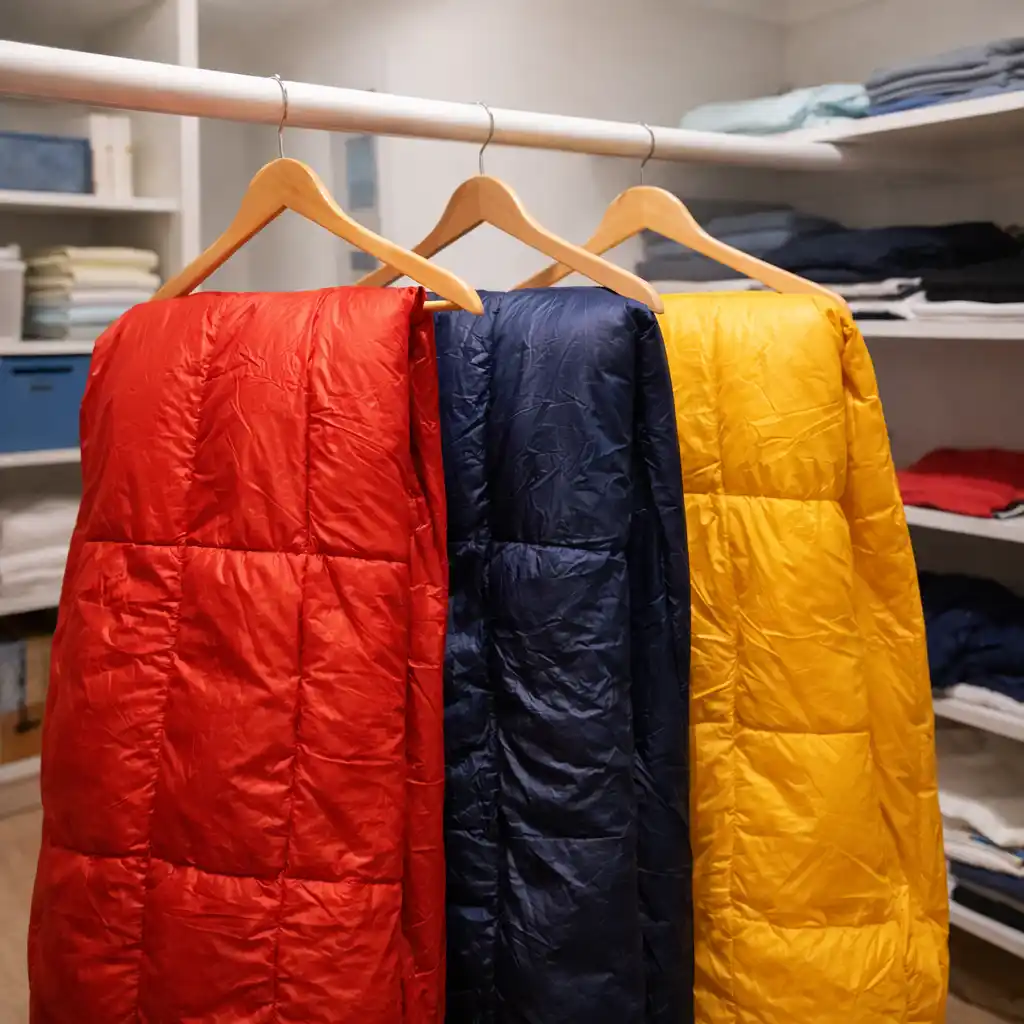
You can’t stop insulation aging—but you can slow it dramatically.
What works:
proper washing and drying
loose storage
moisture control in your tent
adequate ground insulation
avoiding long-term compression
What doesn’t:
chasing higher temperature ratings
adding liners to compensate for collapsed loft
ignoring humidity and condensation
Common Questions About Sleeping Bag Warmth
Why sleeping bags lose warmth even without visible damage?
Because insulation loses loft over time. Compression, moisture, oils, and fabric fatigue reduce the air trapped inside, lowering thermal efficiency.
Do sleeping bags lose warmth faster if stored compressed?
Yes. Long-term compression permanently reduces loft, which is one of the fastest ways insulation performance degrades.
Can a sleeping bag regain warmth?
Proper washing and correct storage can restore some loft, but insulation breakdown is cumulative and cannot be fully reversed.
Final Thoughts
Once you understand why sleeping bags lose warmth, it becomes clear that care, storage, and moisture control matter more than brand names or temperature ratings alone.
The campers who stay warm longest aren’t the ones buying new bags every season. They’re the ones who understand loft, moisture, and compression—and manage them intentionally.
If your sleeping bag feels colder than it used to, it’s not in your head.
It’s physics.
Manage insulation correctly, and even an older bag can outperform a newer one used carelessly.
Happy camping,
— Anthony