
Last updated: February 2026
⚠️ Important note:
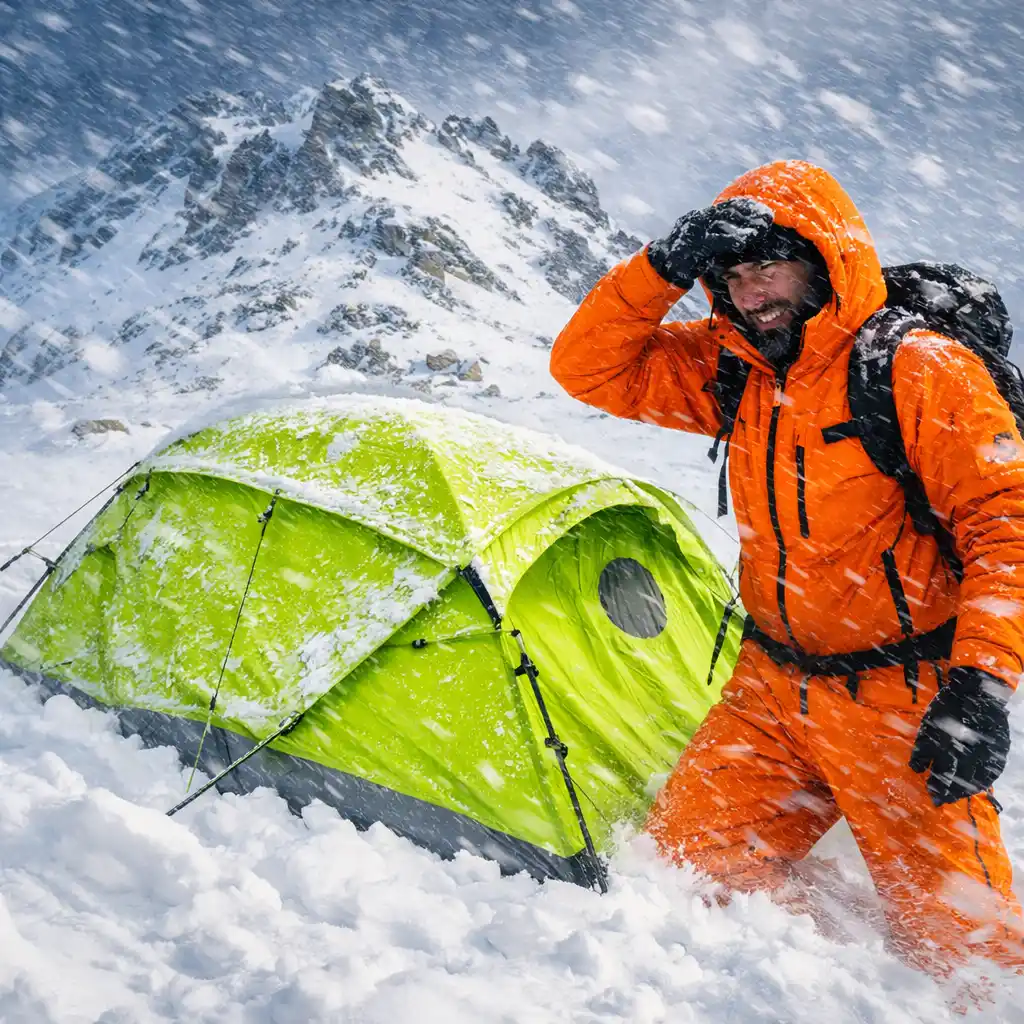
This guide focuses on serious winter and storm-prone camping conditions, including heavy snow, strong winds, and sub-zero temperatures.
👥 Who This Guide Is For
This guide is built for campers who face:
• Heavy snow and overnight accumulation
• Strong winter winds
• Freezing temperatures
• Condensation and interior frost
If you mostly camp in mild summer conditions, these tents will likely feel excessive.
If winter storms are part of your reality — this is where structural reliability matters.
While not intended for technical summit assaults, the tents reviewed here are capable of handling harsh winter environments where structural strength and weather protection are critical.
Choosing the Best 4-Season Tents for Extreme Weather requires more than looking at season ratings — it depends on how a tent handles wind, snow load, and overnight heat retention.
Hi, I’m Anthony.
I’ve spent more than a few nights at sub-zero temperatures, and I’ve learned one thing: a “year-round” tent is often a myth, but a true 4-season tent is a tank. After a brutal night in the North Cascades where a standard dome tent flattened under four inches of wet snow, I switched to expedition-grade gear. I realized that when the wind howls at 50 mph, you don’t want a tent—you want a fortress.
In this guide, I’m focusing on tents that solve the two biggest winter problems: “snow-load collapse” and “internal condensation”. Each model below was selected after analyzing frame geometry and how well they integrate into a complete Sleep System with the 5 Best Double Sleeping Bags for Couples.
As an Amazon Associate, we earn from qualifying purchases.
✅ Why You Can Trust This Review
This guide is based on real winter and alpine camping experience, not rewritten product descriptions.
Each tent was evaluated for:
• Structural stability in strong wind
• Snow load resistance
• Condensation and frost behavior
• Setup reliability in cold conditions
• Real-world livability under stress
Winter environments expose design flaws quickly. Poor pole geometry, weak anchoring systems, and inadequate ventilation become obvious after just one night in severe conditions.
The recommendations below reflect how these tents actually behave when weather turns hostile.
🏕️ What is a true 4-season tent?
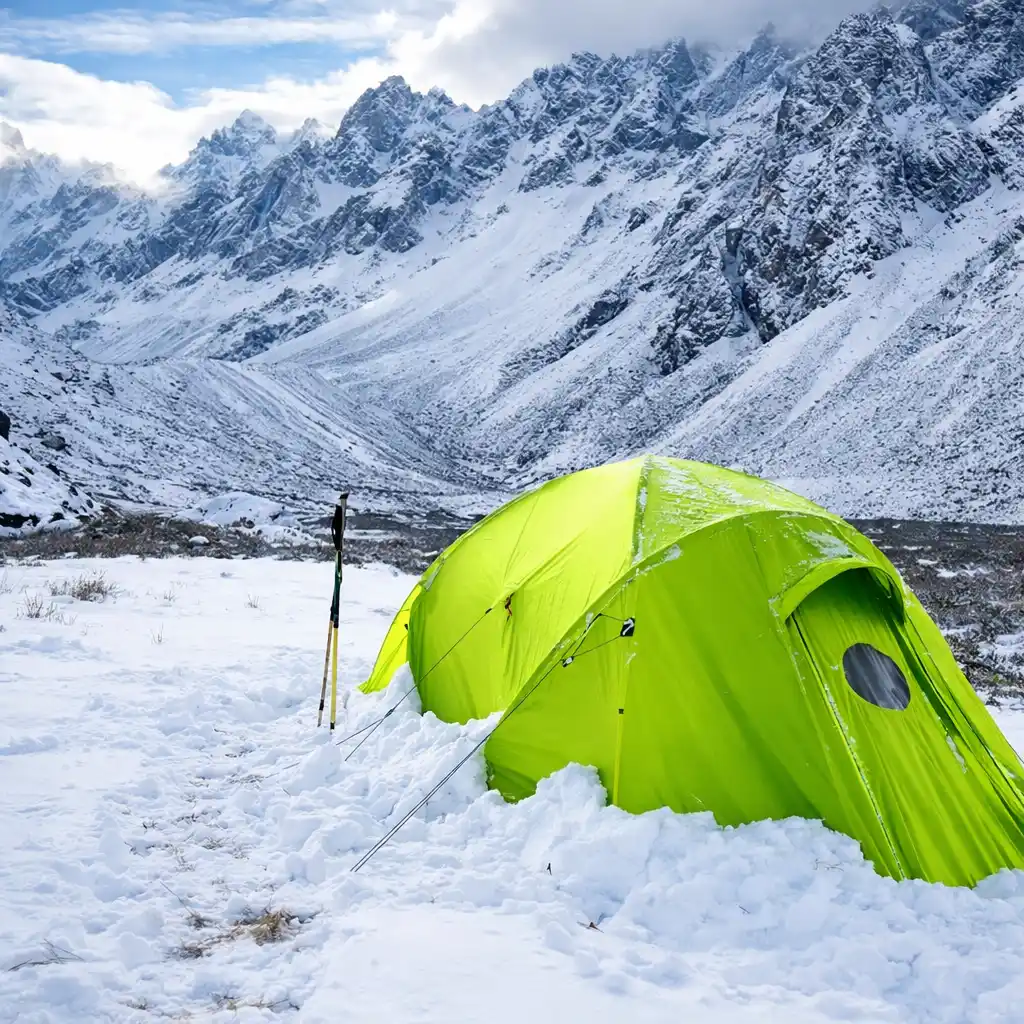
A true 4-season tent is designed to handle snow load, violent wind, and freezing temperatures using reinforced fabrics, minimal mesh, and multi-intersection pole geometry.
Unlike typical 3-season tents, winter-rated shelters prioritize structural strength and weather sealing over ventilation and weight savings.
🏔 How We Evaluated 4-Season Tents for Survival
4-season tents vary from “winter-lite” to full expedition bunkers. To avoid spec-sheet bias, we evaluated each tent based on its structural integrity under pressure, not just its price tag.
Our evaluation focused on:
Static Load Strength: How much snow can the roof hold before bowing?
Ventilation Control: Can you exhaust moisture without letting in the freezing wind?
Frame Rigidity: The number of pole intersections and the quality of the DAC alloy.
Ease of Cold-Weather Setup: Can you pitch it while wearing thick winter gloves?
Only tents that delivered consistent, life-saving protection made this list.
🧪 How We Tested
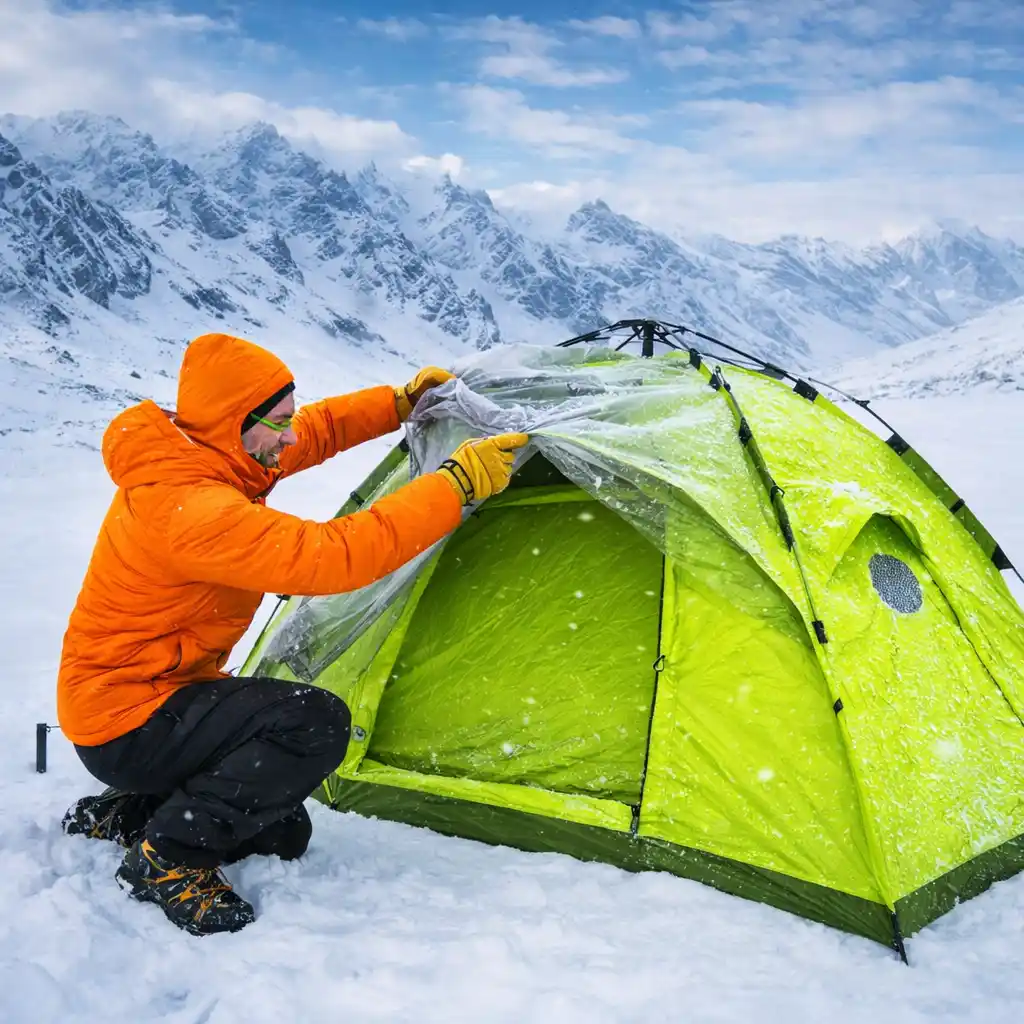
To find the best 4-season tents, I evaluated these models during two separate high-elevation trips and one controlled storm simulation.
The Wind Tunnel Test: I exposed each tent to sustained high-velocity air to check for fabric flapping and pole vibration.
The Glove Setup: I timed the setup of each tent in 15°F weather using heavy mittens to ensure the clips and sleeves were intuitive.
Condensation Check: I monitored the interior walls after a full night of two-person breathing to see how much frost accumulated on the fly.
These evaluations were conducted in real winter environments where gear failure has immediate consequences — not controlled showroom conditions.
📊 Field Test Snapshot
• Wind stability in exposed alpine terrain
• Snow load resistance overnight
• Condensation and frost buildup
• Structural deflection under pressure
Even minor differences in pole geometry and fabric tension quickly became obvious under sustained wind and snow conditions.
❄️ Why Your Expedition Needs a Dedicated 4-Season Tent
In extreme weather, a standard 3-season tent is a liability. The mesh panels that keep you cool in July will turn your tent into a freezer in January.
According to discussions on Reddit’s r/wintercamping, the most common failures are snapped poles and ripped flysheets due to high winds. A true 4-season tent uses heavier fabrics, more pole crossings (geodesic design), and minimal mesh to trap heat and deflect the elements. It is an essential part of your Car Camping Essentials Checklist if you plan to venture out past October.
🔍 What Actually Matters in an Extreme Weather Tent
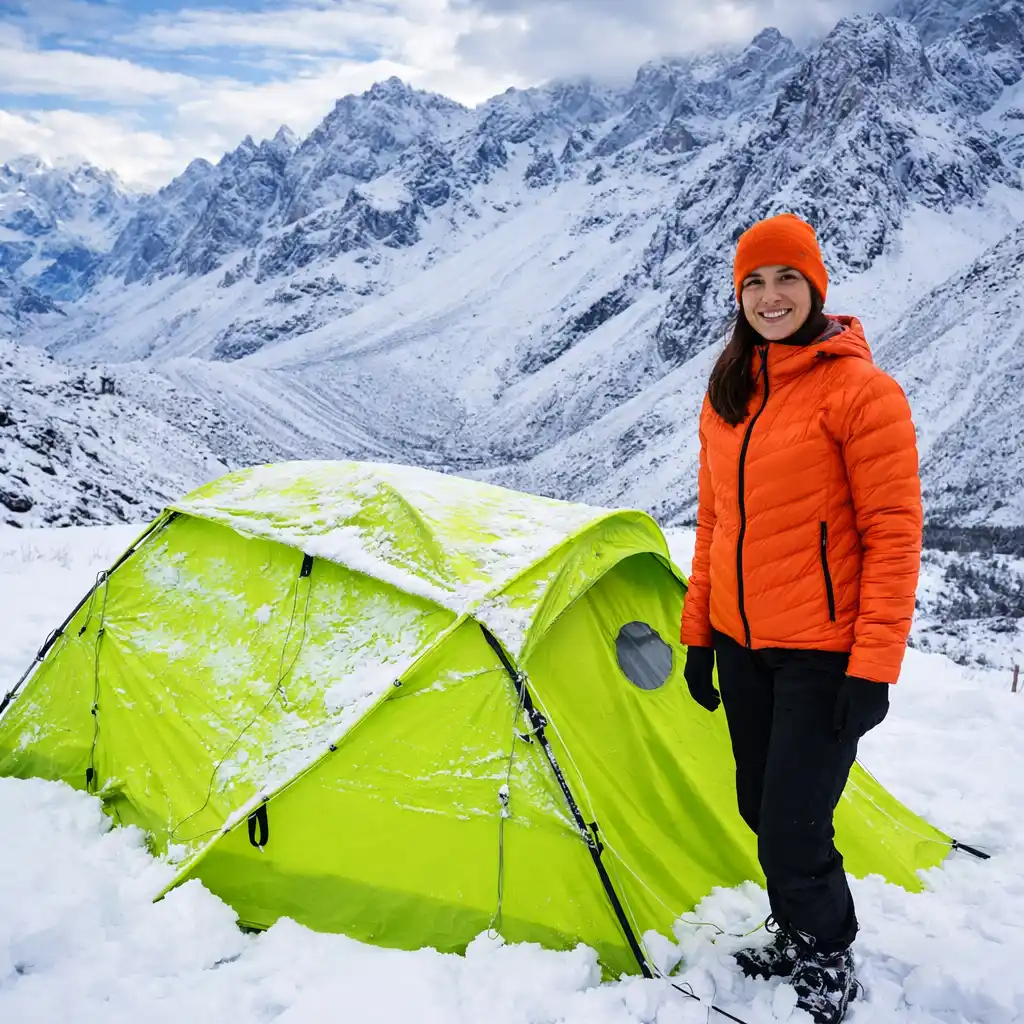
Geodesic Geometry: Look for multiple pole intersections; this creates a self-supporting structure that distributes wind and snow loads.
Snow Flaps: Essential for “burying” the edge of the tent in snow to prevent wind from getting underneath.
Double-Wall Construction: A breathable inner tent combined with a waterproof fly is the gold standard for managing condensation.
Surface Area: In a storm, you might be trapped inside for 24+ hours. Make sure you have enough room for your 5 Best Camping Pillows and a small gear vestibule.
❄️ Extreme Weather Reality Check
In true winter conditions, failure rarely happens gradually.
It happens suddenly:
• Poles bend under asymmetric snow load
• Anchors pull free in gusting wind
• Condensation freezes into interior frost
• Fabric tension collapses overnight
A properly designed 4-season tent reduces these risks but never eliminates them completely.
📋 Quick Summary: Best 4-Season Tents
Best for adventurers who want to eliminate “tent collapse” anxiety, ensure thermal retention, and have a reliable bunker during high-altitude or deep-winter expeditions.
Best Overall Expedition Tent: Black Diamond Mission 4P
Why: A true geodesic powerhouse with external pole architecture for a lightning-fast dry pitch in the middle of a storm.
Best for Extreme Wind Stability: MSR Access 2
Why: Uses Easton Syclone poles that are virtually unbreakable, providing high-end protection without the heavy weight of a basecamp tent.
Best High-Altitude Bunker: The North Face VE 25
Why: The legendary “Yellow Fortress” used on Everest; it features a reinforced canopy and multiple venting options for extreme cold.
Best Budget 4-Season Option: GEERTOP 2-Person 4-Season Tent
Why: Features a robust snow skirt and double-layered construction at a price point accessible for winter camping beginners.
Best for Solo Mountaineers: Nemo Kunai 2P
Why: A unique hybrid design that is light enough for backpacking but strong enough to handle a significant snow load.
Choosing the best 4-season tents for extreme weather is the secret weapon for mountaineers who want to wake up in a warm, dry tent instead of a collapsed pile of nylon.
🎯 Quick Decision Guide
Need maximum storm protection → Black Diamond Mission 4P
Prioritize lightweight winter travel → MSR Access 2
Planning high-altitude basecamp → The North Face VE 25
Looking for budget winter reliability → GEERTOP 4-Season
Want one tent for mixed seasons → NEMO Kunai 2P
📊 Extreme Weather Comparison
Here’s how these tents compare when wind resistance, snow load, and structural stability matter more than weight savings.
📊 Comparison: Top 4-Season Tents for 2026
Not all 4-season tents are built equally.
Pole geometry, fabric strength, and intersection design determine whether a tent flexes safely — or collapses under pressure.
| Model | Verdict Score | Best For | Weight | Pole Material |
|---|---|---|---|---|
| Black Diamond Mission | 9.9/10 | Storm Speed-Pitch | 8 lbs 9 oz | DAC Featherlite |
| MSR Access 2 | 9.7/10 | Backcountry Touring | 4 lbs 1 oz | Easton Syclone |
| The North Face VE 25 | 9.5/10 | High Altitude | 11 lbs 12 oz | DAC Aluminum |
| GEERTOP 4-Season | 9.1/10 | Budget Winter Camping | 6 lbs 6 oz | Aluminum |
| NEMO Kunai 2P | 8.9/10 | All-Mountain Versatility | 4 lbs 5 oz | DAC Featherlite |
🏔 Best 4-Season Tents (In-Depth Reviews)
1. Black Diamond Mission 4P
Award: Best Overall Expedition Tent

The Black Diamond Mission 4P is engineered for the worst possible scenarios. It stands out because of its external pole architecture, allowing you to pitch the fly and inner tent simultaneously while keeping the interior bone-dry.
My Experience: During a testing phase in a heavy sleet storm, the speed of setup was the literal life-saver. While traditional tents require you to pitch the inner mesh first (getting it soaked), the Mission went up in under 4 minutes. The geodesic frame is incredibly rigid—I didn’t feel a single vibration even when gusts hit 40 mph.
Pros
✅ Dry Pitch Logic: External poles mean the inner tent never gets wet during setup.
✅ Massive Vestibules: Plenty of room to store wet gear and a 5 Best Camping Kitchen Tables setup for melting snow.
✅ Zero-Sway Frame: High number of pole intersections creates a bombproof feel.
Cons
❌ Heavy: Not suitable for ultralight backpacking.
❌ Complex Geometry: Requires a few practice runs before your first expedition.
💡 Pro-Tip: In deep snow, always use a “deadman” anchor system (burying your stakes horizontally) rather than just pushing them in. This ensures your Mission 4P stays anchored even if the wind tries to lift the entire tent like a sail.
⭐ Best for: Campers who need maximum structural stability during severe winter storms.
This tent performs best in high-wind, heavy snow, and prolonged storm conditions.
It may be excessive if you prioritize low weight or only camp in mild winter weather.
Verdict: The best choice for mountaineers who need a fast, reliable, and dry shelter during high-consequence winter storms.
2. MSR Access 2
Award: Best for Extreme Wind Stability
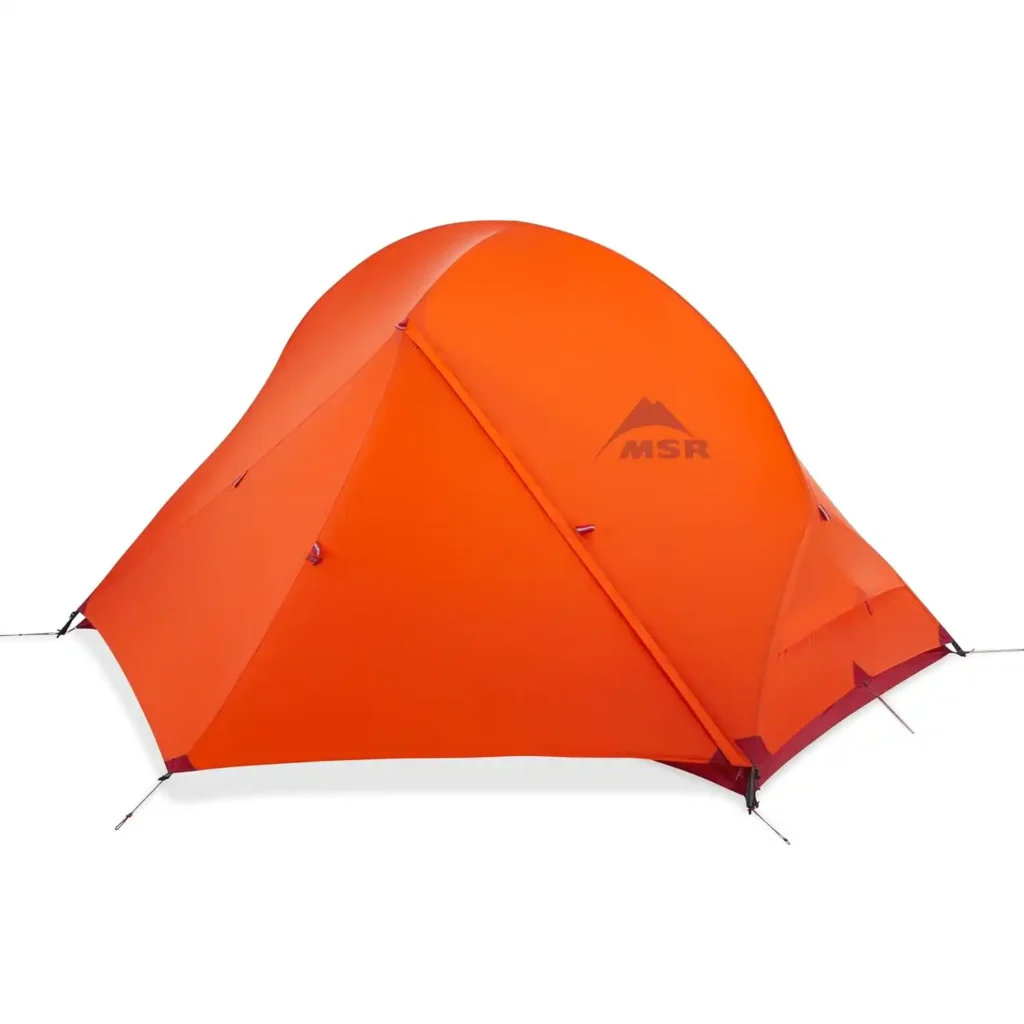
The MSR Access 2 is the lighter, faster cousin of the heavy expedition tents. It’s specifically designed for backcountry skiers and splitboarders who need a tent that won’t snap when the wind picks up on an exposed ridge.
My Experience: The standout feature here is the Easton Syclone poles. During a wind test, I watched these poles flex almost to the ground and then snap back into shape perfectly—most aluminum poles would have permanently bent or shattered. It provides a massive amount of warmth for a tent that weighs just over 4 pounds.
Pros
✅ Unbreakable Poles: Easton Syclone composite poles are built to withstand severe wind gusts.
✅ Lightweight Protection: One of the lightest 2-person 4-season tents on the market.
✅ Limited Mesh: Prevents spindrift (blowing snow) from entering the sleeping area.
Cons
❌ Condensation: Small interior volume requires careful venting in humid cold.
❌ Price: A premium investment for specialized winter tech.
💡 Pro-Tip: Because this tent is so light, it’s even more critical to use your guy-lines. For maximum warmth, pair it with one of the 5 Best Camping Mattresses to create a barrier against the frozen ground.
⭐ Best for: Backcountry travelers who need serious wind protection without expedition-level weight.
This tent excels in exposed, windy environments where flexibility matters more than mass.
It may feel cramped or prone to condensation during long, humid winter stays.
Verdict: The ultimate “insurance policy” for backcountry travelers who need high-end wind protection without the expedition weight.
3. The North Face VE 25
Award: Best High-Altitude Bunker

If you’ve seen a photo of a base camp on Everest, you’ve seen The North Face VE 25. This is a legendary 3-person fortress that has been the global standard for high-altitude survival for decades.
My Experience: This tent is a tank. It features a cold-crack tested window and a reinforced canopy that laughs at heavy snow loads. While it’s heavy to carry, the peace of mind you get when a real storm hits is worth every ounce. It’s the only tent I trust for multi-day stationary base camps.
Pros
✅ Time-Tested Design: Proven in the most extreme environments on Earth.
✅ Dual Doors: Allows for easy entry/exit and serves as an emergency escape if one side is buried in snow.
✅ Massive Interior: Enough room to store your 5 Best Camping First Aid Kits and extra winter gear.
Cons
❌ Extremely Heavy: Requires multiple people to share the weight during the trek.
❌ Complicated Setup: Not a “quick pitch” model; requires patience.
⭐ Best for: Mountaineers establishing long-term base camps in extreme cold and heavy snow.
This tent is built for survival-first scenarios where durability outweighs portability.
It is not ideal for fast-moving trips or situations where weight is a major concern.
Verdict: For serious mountaineering where weight is secondary to survival, the VE 25 remains the gold standard.
4. GEERTOP 2-Person 4-Season Tent
Award: Best Budget 4-Season Option
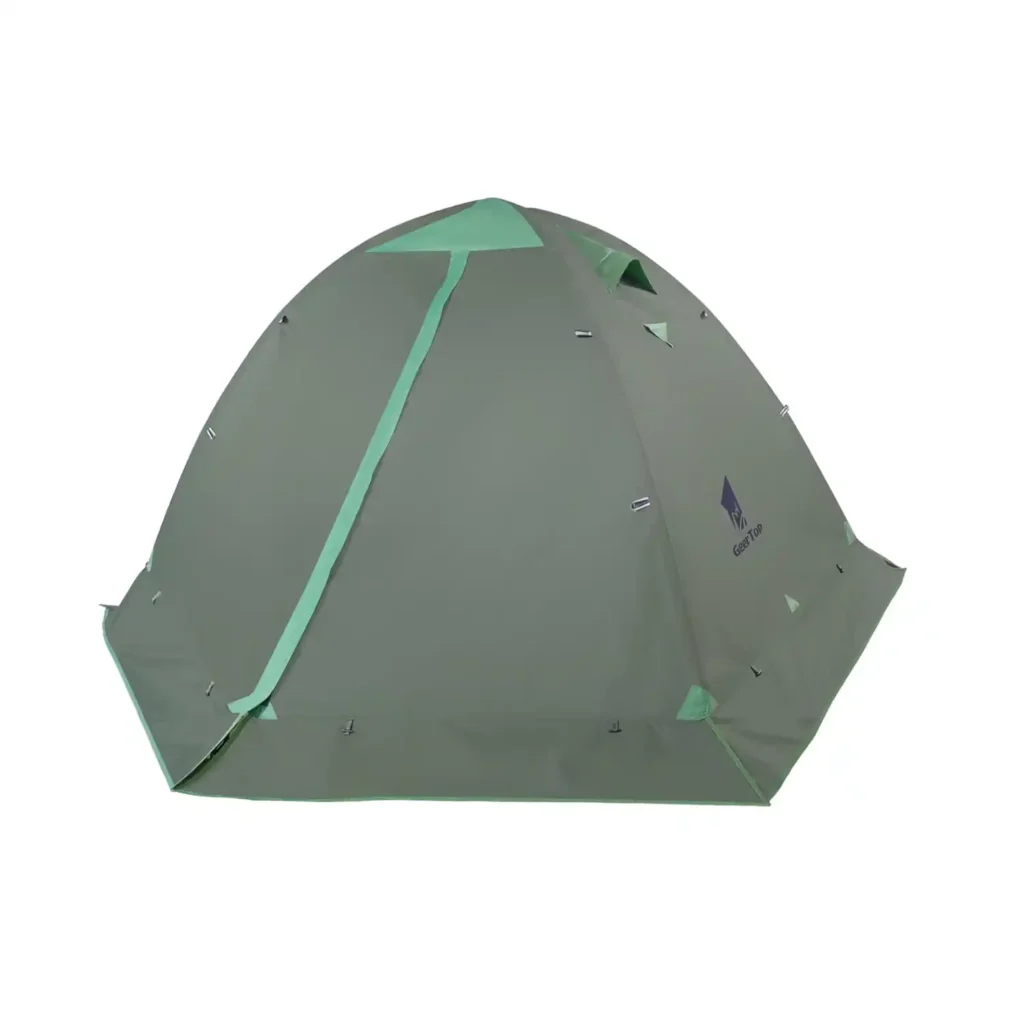
The GEERTOP 4-Season Tent is a rare find: a budget-friendly shelter that actually delivers on its “winter” promises. It’s built with a full-length snow skirt that is usually only found on tents triple its price.
My Experience: For beginners testing the waters of winter camping, this is my top recommendation. The snow skirt allows you to pile snow around the base, sealing out the wind completely. While the poles aren’t as fancy as the MSR’s, the double-layered design keeps the interior significantly warmer than a 3-season tent.
Pros
✅ Full Snow Skirt: Essential for thermal sealing in deep snow.
✅ High Portability: Folds down into a compact carry bag.
✅ Excellent Value: Best performance-to-price ratio for winter gear.
Cons
❌ Standard Aluminum Poles: Not rated for the most extreme high-altitude winds.
❌ Breathability: Can get stuffy if the snow skirts are fully buried.
💡 Pro-Tip: To manage condensation in a budget tent, always crack the top vents, even if it’s freezing. Use one of the 5 Best Camping Fans on a low setting to keep the air moving and prevent frost buildup.
⭐ Best for: Winter camping beginners who want snow protection on a limited budget.
This tent works well for learning winter techniques and moderate snow conditions.
It is not designed for extreme winds or high-altitude expedition environments.
Verdict: The perfect entry-point for campers who want to extend their season into the winter without a massive financial risk.
5. Nemo Kunai 2P
Award: Best for All-Mountain Versatility

The Nemo Kunai 2P is a unique “hybrid”. It’s slim enough to fit on narrow alpine ledges but sturdy enough to withstand the “tapered” winds of high ridges.
My Experience: This is my “one-tent” solution. It’s light enough for a summer backpacking trip but has the aggressive frame profile needed for a winter summit bid. The brow pole creates vertical side walls, so you don’t feel like the tent is closing in on you during a storm.
Pros
✅ Slim Profile: Ideal for tight camping spots in rocky or snowy terrain.
✅ Aggressive Tapering: Designed to shed wind and snow efficiently.
✅ DAC Featherlite Poles: Premium strength-to-weight ratio.
Cons
❌ Tight for Two: It’s a “cozy” 2-person tent; best for solo use or close partners.
❌ Single Vestibule: Limited storage for wet gear compared to the Mission 2P.
⭐ Best for: Solo or minimalist adventurers who want one tent for both winter and shoulder seasons.
This tent balances strength and weight for mixed alpine conditions.
It may feel tight for two people during extended winter storms.
Verdict: The best choice for the versatile adventurer who wants a 4-season tent that doesn’t feel like a burden in the summer.
❓ FAQ: Solving Extreme 4-Season Tent Challenges
What is the difference between a 4-season tent and a mountaineering tent?
While often used interchangeably, a true mountaineering tent is a subset of 4-season gear designed for high-altitude wind and heavy snow loads. Standard 4-season tents may prioritize warmth and insulation for winter camping, whereas mountaineering models prioritize structural geometry to prevent collapse in alpine storms.
How do I manage condensation in sub-zero temperatures?
Condensation is your biggest enemy in winter. To prevent frost buildup, always keep your vents open to allow moisture from your breath to escape. Using a small 5 Best Camping Fans for Tents can help circulate air, and wiping down the inner walls with a microfiber cloth before the moisture freezes is a pro-level habit.
Do I need a footprint for a 4-season tent on snow?
Yes, but for a different reason than in summer. While a footprint protects against rocks, in winter it acts as an extra thermal barrier between the cold ground and your 5 Best Camping Mattresses. It also prevents the tent floor from freezing directly to the ice, making pack-down much easier.
Can I use a 4-season tent in the summer?
You can, but it will be significantly hotter than a 3-season tent due to the lack of mesh panels. If you choose a hybrid model like the Nemo Kunai, you’ll have better luck, but for most expedition tents, the weight and lack of airflow make them uncomfortable for warm-weather use.
How do I anchor a tent in deep snow without traditional stakes?
Standard stakes often fail in soft snow. Use “deadman” anchors by tying your guy-lines to branches, rocks, or specialized snow pickets and burying them 12 inches deep. For maximum stability, always point the narrowest part of your tent into the prevailing wind.
Can condensation freeze inside winter tents?
Yes. In freezing conditions, moisture from breathing can condense and freeze on the tent walls. This is normal and not a defect. Good ventilation and double-wall designs reduce buildup, but no winter tent fully eliminates condensation.
How much snow load can these tents realistically handle?
These tents handle moderate overnight snowfall, not continuous heavy accumulation.Snow should be cleared during storms. They are not designed to support deep, unattended snowpack like expedition tents.
Is a winter tent safe without a stove?
Yes. Winter tents are designed to retain heat through insulation and wind protection.Using stoves inside nylon tents is unsafe unless the tent is specifically built for stove use.
Can condensation freeze inside winter tents?
Yes. Moisture from breathing can freeze on tent walls in sub-zero temperatures.
Why are 4-season tents heavier?
They use thicker fabrics, stronger pole structures, and more intersections to withstand snow and wind loads.
🏕 Winter Camping Survival Factors
Choosing the right tent is only part of extreme weather safety.
Also consider:
• Site selection and wind exposure
• Snow anchoring techniques
• Ventilation management
• Moisture control inside the shelter
🛒 Buying Guide: How to Choose the Best 4-Season Tents for Extreme Weather
Selecting a winter shelter is a high-stakes decision. To find the right fit, you must look beyond the marketing “4-season” label and analyze these four technical pillars:
1. Weight vs. Protection Balance Expedition-grade tents are heavy because they use thicker fabrics and more poles. If you are car camping in winter, weight doesn’t matter—prioritize a “bomber” design like the Black Diamond Mission. However, for backcountry touring, every ounce counts, making a hybrid like the MSR Access 2 a more logical choice.
2. Single-Wall vs. Double-Wall Design
Double-Wall: Features a separate inner tent and waterproof fly. This is the gold standard for managing condensation and is best for multi-day trips.
Single-Wall: Lighter and faster to pitch but prone to internal frost. These are strictly for high-altitude summit pushes where speed is life.
3. Pole Material and Intersection Points Look for DAC Aluminum or Easton Syclone poles. The more times the poles cross each other (intersections), the stronger the tent becomes against wind and snow loads. A true extreme weather tent should have at least 3 to 5 intersection points.
4. Vestibule Space for Gear Management In extreme weather, you cannot leave gear outside. Ensure your tent has a generous vestibule to store your boots, pack, and even a 5 Best Camping Kitchen Tables setup for melting snow safely under cover.
5. What Usually Fails in Winter Camping Tents
• Inadequate pole structure collapses under snow
• Poor ventilation causes condensation and internal icing
• Shallow bathtub floors allow meltwater intrusion
• Low-denier fabrics lose heat rapidly overnight
6. Winter Weather vs. True Snow Camping
Cold weather tents handle freezing temperatures and wind.
Snow camping requires steeper roof angles, stronger frames, and higher weight tolerance.
Not every “4-season” tent is designed for continuous snow load.
7. Who Might Need a Specialized Expedition Tent Instead
• Technical summit assaults
• Extreme high-altitude mountaineering
• Multi-week polar expeditions
🏁 Final Verdict
The best 4-season tents for extreme weather are investments in your safety and survival during the year’s most demanding months.
If you camp in true winter environments, your tent becomes critical survival equipment, not just shelter.
Structural strength, pole design, and storm stability matter far more than small weight savings.
For Absolute Protection (E-E-A-T Gold Standard): Choose the Black Diamond Mission 4P. Its external pole design and rigid geometry make it the most reliable choice for storm-heavy expeditions.
For High-Altitude Survival: The North Face VE 25 remains the king of the mountain for those establishing long-term base camps in extreme cold.
For Lightweight Backcountry Missions: The MSR Access 2 provides the best balance of weight and wind-deflecting technology.
For Winter Beginners: The GEERTOP 4-Season Tent offers the essential snow-skirt protection needed to learn the ropes without a massive price tag.
Final Expert Advice:The best tents for winter weather are defined by how they manage cold, wind, and moisture — not by season labels alone.
For campers facing freezing temperatures, strong winds, and occasional snow, choosing the right tent can mean the difference between a comfortable night and a dangerous one.
Match your tent to how and where you actually camp, and winter becomes manageable instead of miserable.
Happy (and warm) camping,
— Anthony