
Learning how to stop condensation in a tent is essential if you want to stay dry and comfortable while camping.
Hi, I’m Anthony.
I remember a trip where I woke up with water dripping on my face. It hadn’t rained a drop all night. I was convinced my expensive tent was defective.
It wasn’t. It was just condensation. My breath had turned into water vapor and froze to the walls.
Once I learned how to manage airflow, my gear stayed bone dry. Here is how you can fix it too.
As an Amazon Associate, we earn from qualifying purchases.
Are you wondering how to stop condensation in a tent so you don’t wake up with a soggy sleeping bag? It all comes down to airflow.
The average person exhales about 1 liter of water vapor per night. If you have a family of four, that is 4 liters of water floating in your tent. If that moisture cannot escape, it hits the cold tent walls and turns back into liquid.
We have compiled the best tips to keep your shelter dry and comfortable.
Is Condensation in a Tent Normal?
Yes — condensation inside a tent is completely normal, even in high-quality models. It happens when warm, moist air from breathing and wet gear meets the cooler tent fabric and turns into water droplets.
Condensation is not a sign of a defective tent or poor materials. Even well-ventilated tents can develop moisture under certain conditions, especially in cold, humid, or windless environments.
The goal isn’t to eliminate condensation entirely, but to control airflow and moisture levels so your sleeping area stays dry and comfortable. The tips below focus on exactly how to do that.
For a scientific explanation of why condensation forms, the National Weather Service explains how temperature and humidity interact in their guide on how condensation and dew point work.
1. Ventilation is Everything
The most common mistake is zipping everything up tight to “keep the heat in.” This traps moisture. You must give the moist air a way out.
- Open the Vents: Most tents have roof vents. Keep them open 100% of the time, even in winter.
- Crack the Windows: Unzip the top of your windows slightly to create a chimney effect.
2. Use a Tent Fan
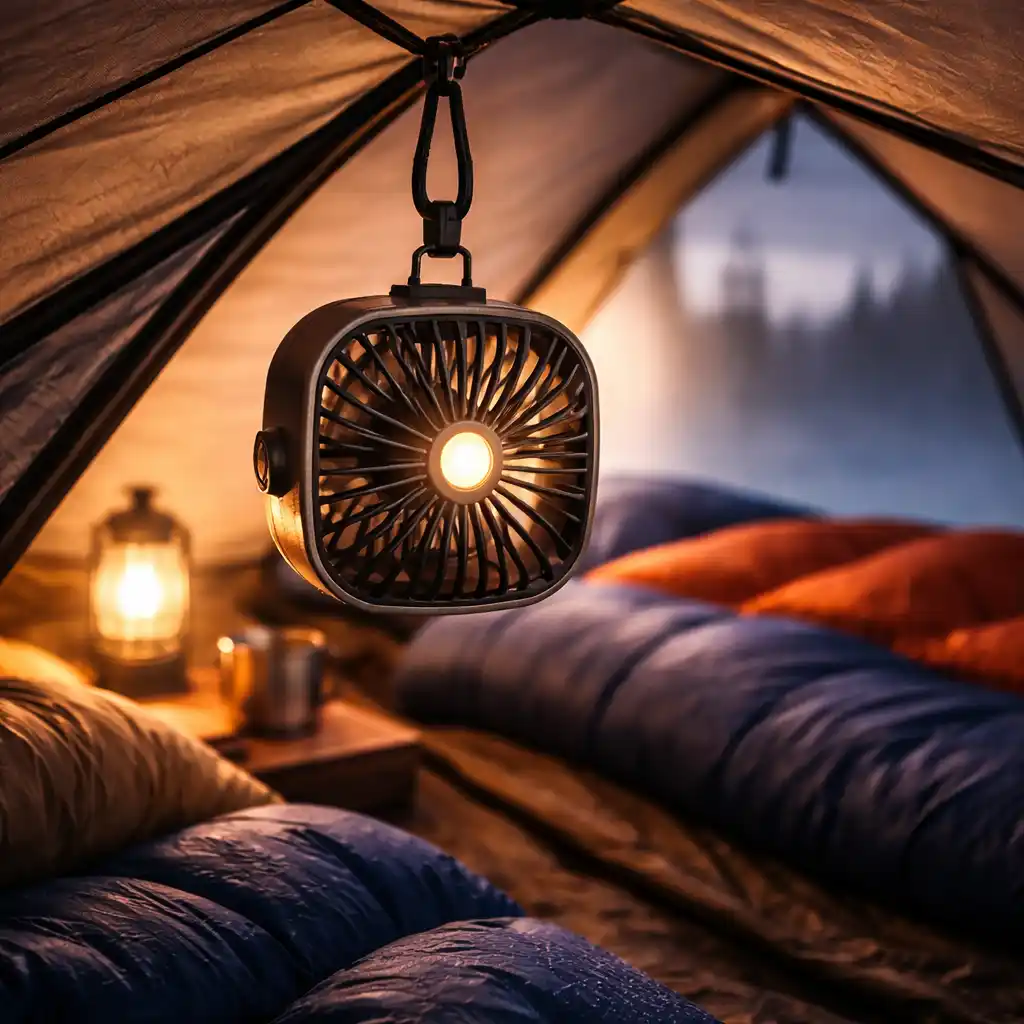
Passive ventilation isn’t always enough. You need active airflow to push moist air out.
A small, battery-operated fan hanging from the ceiling can make a massive difference. It keeps the air moving so moisture doesn’t have time to settle on the walls.
Need Airflow? Check out our guide to the Best Camping Fans for Tents to find the perfect model for circulation.
3. Don't Cook Inside
Boiling water releases massive amounts of steam. If you cook coffee or soup inside your vestibule, you are filling your tent with water vapor. Always cook outside or under a separate tarp.
4. Remove Wet Gear
Don’t dry your wet boots, towels, or rain jackets inside the tent. As they dry, that water goes into the air… and then back onto your sleeping bag. Leave wet gear in the car or under the rainfly vestibule.
5. Use a Heater (Carefully)
Cold air holds less moisture than warm air. By slightly raising the temperature inside the tent, you can reduce condensation (as long as you keep venting!).
However, Propane heaters actually create moisture as they burn. If you use gas, you need double ventilation. An Electric Heater creates dry heat, which is better for condensation.
Stay Warm Safely: See our review of the Best Tent Heaters for Camping to choose the right heat source.
6. Pitch Location Matters
Don’t set up camp right next to a lake or river. The air there is more humid. Also, avoid low-lying valleys where cold, damp air settles at night. Pitching under a tree can help keep the tent fly slightly warmer, reducing condensation.
7. Guy Out Your Rainfly
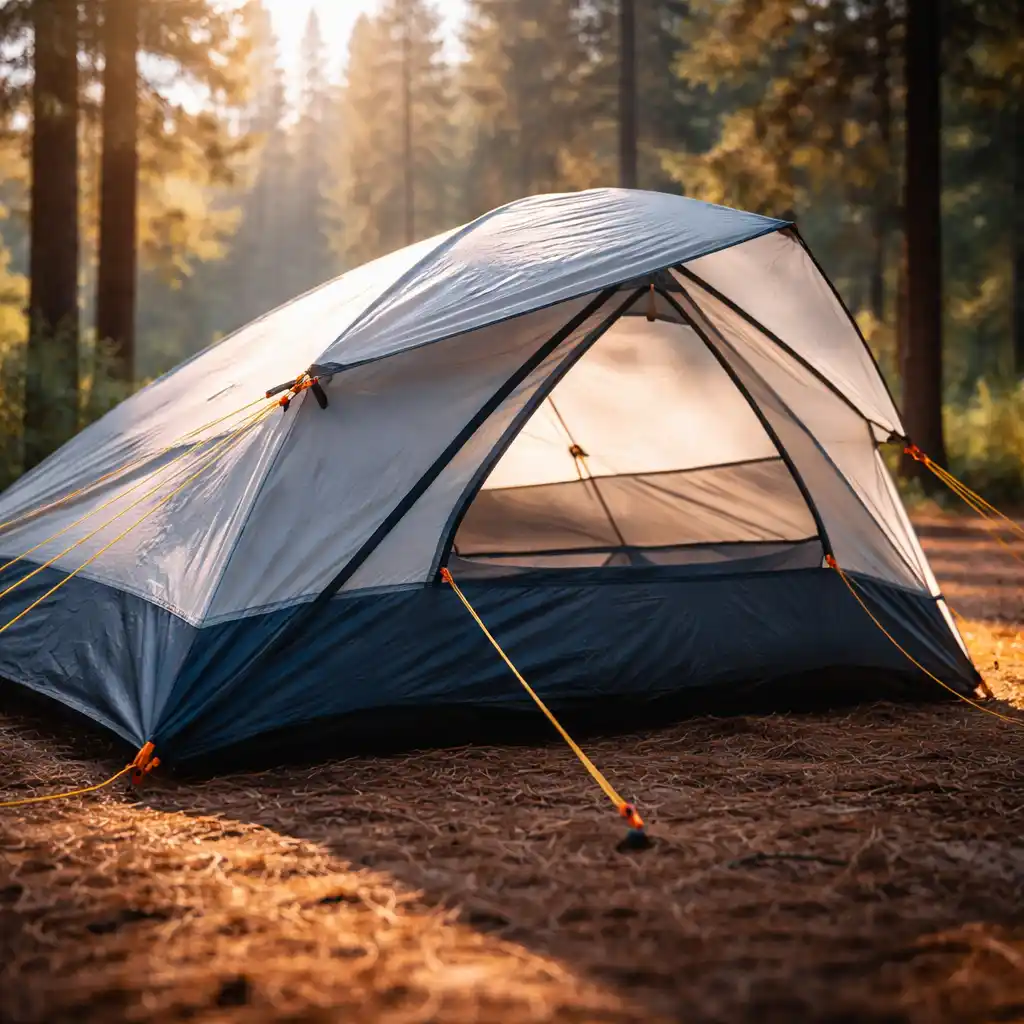
Make sure the rainfly isn’t touching the inner tent body. Use the guy lines to pull it taut. This creates an air gap. The moisture will condense on the fly (and roll off), not on the inner wall where you sleep.
Final Verdict on Dry Camping
Learning how to stop condensation in a tent is a skill that separates beginners from pros. You can have the most expensive tent in the world, but without airflow, it will get wet inside.
Keep those vents open, get the air moving, and stay dry!